
Zelenskyy Cites New Russian Doctrine Targeting Civilian Infrastructure Amid Escalating Strikes
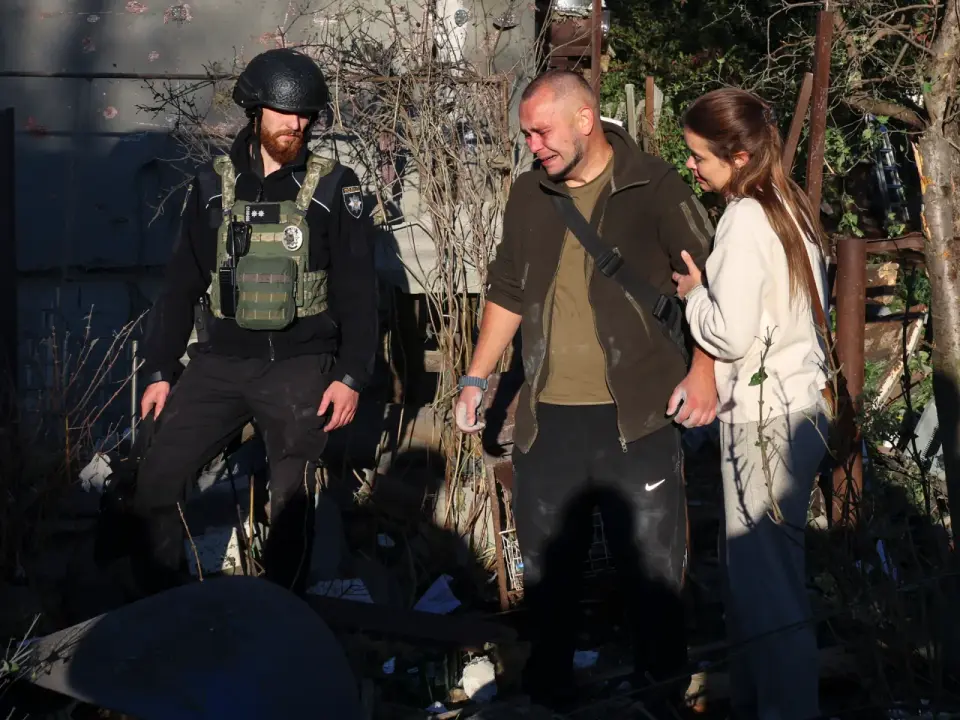
President Volodymyr Zelenskyy stated that Ukraine has evidence of a new Russian military doctrine aimed at striking civilian sites to force population displacement. Recent attacks have killed at least five people, including a crew member on a Liberian-flagged ship in the Odesa region, while Russia has effectively blockaded Ukrainian Black Sea ports. Zelenskyy confirmed that Ukraine will retaliate against Russian energy infrastructure but will not indiscriminately target civilian objects. Meanwhile, NATO condemned Russian nuclear rhetoric regarding Kaliningrad, and Ukraine reported recapturing 140 square kilometers in the Donbas region through its Vivaldi counteroffensive.
Key points
- Zelenskyy revealed that Ukrainian intelligence reviewed documents indicating a new Russian strategy to target roads, schools, and hospitals to pressure civilians to leave cities.
- A Russian strike on a Liberian-flagged ship in the Odesa region killed one person and injured three, while another attack hit a cargo ship in the Odesa port.
- Russia has effectively blockaded Ukraine’s Black Sea ports by attacking civilian vessels carrying grain and steel, severely impacting the Ukrainian economy.
- Ukraine’s air defenses are struggling to intercept jet-powered drones, with Zelenskyy noting that fighter aircraft must down 60 percent of these threats due to low ammunition supplies.
- NATO denounced Russian nuclear threats over Kaliningrad, calling Moscow’s hybrid tactics a sign of desperation while reaffirming support for Ukraine.
- Zelenskyy warned the United States not to believe illusions that Russia would end the war if it gained control of the Donbas, as trilateral talks are proposed in the UAE.
Background
This escalation follows a pattern of intensified strikes observed in August and September 2026, where Russia shifted to daytime jet-powered drone attacks to maximize civilian harm. Previous reports indicated that Russia’s battlefield gains had slowed to a near-record low, prompting Kyiv to launch the Vivaldi counteroffensive. The current attacks on civilian infrastructure, including bridges and data centers, represent a continued effort by Moscow to disrupt daily life and sap morale, consistent with trends noted in earlier coverage of the conflict.
How outlets are covering it
Al Jazeera emphasizes the strategic shift in Russian tactics, highlighting Zelenskyy’s claim of a new doctrine targeting civilian sites to force displacement. CNBC focuses on the impact on digital infrastructure, noting that Russia struck key data centers in Kyiv to disrupt information flow, while also detailing NATO’s diplomatic response to Russian nuclear threats. Ukrainska Pravda provides a granular view of the humanitarian impact, reporting on a strike that killed 13 animals in an Odesa shelter, illustrating the indiscriminate nature of the attacks. The World from PRX highlights the broader economic consequences, noting that Russia’s maritime attacks are threatening global food prices and prompting Turkey to step up diplomatic efforts to protect Black Sea shipping. While all sources agree on the intensity of the attacks, Al Jazeera and CNBC focus on the strategic and diplomatic dimensions, whereas Ukrainska Pravda and The World from PRX highlight the human and economic costs.
Why it matters
The shift to targeting civilian infrastructure signals a potential escalation in the war, aiming to destabilize Ukrainian society and economy. The blockade of Black Sea ports threatens global food security, while the strain on Ukraine’s air defenses could lead to increased civilian casualties. NATO’s response to Russian nuclear rhetoric indicates a heightened risk of broader geopolitical confrontation. The outcome of upcoming trilateral talks in the UAE will be crucial in determining whether diplomatic efforts can halt this escalation or if the conflict will continue to intensify.
What to watch
Ukraine is expected to receive its first shipment of small, cheaper air defense missiles in the second half of October, which may help mitigate the threat from jet-powered drones. Trilateral talks between the US, Ukraine, and Russia are proposed in the UAE, though no exact date or location has been confirmed. Russia may continue its campaign of strikes on civilian and digital infrastructure to pressure Ukraine, while NATO will likely maintain its stance of supporting Ukraine and countering Russian hybrid tactics. The situation in the Donbas region will also be monitored, as Russia claims control of the area as a precondition for peace.
- Five killed as Kyiv and Moscow trade strikes, Russia hits second bridge Al Jazeera
- Russia hits Liberian-flagged ship in Ukraine's Odesa port, kills one Reuters
- Russia targets data centers in Kyiv as NATO condemns Moscow’s ‘irresponsible nuclear rhetoric’ CNBC
- Russia strikes animal shelter in Odesa Oblast: 10 cats and 3 dogs killed – video Українська правда
- Istanbul’s sailors risk life and limb when they take to the sea The World from PRX
Want the full story? Read the original reporting
Read on Al Jazeera