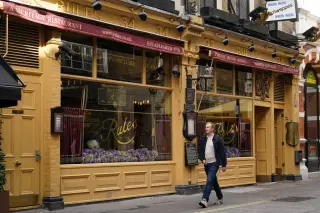
The historic building of Rules, London's oldest restaurant, has been donated to the National Trust in an £11 million gift. The restaurant will continue operating as a commercial tenant, ensuring its preservation while maintaining its traditional menu and operations.
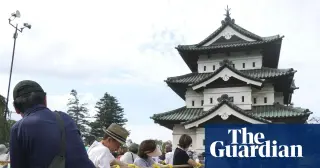
In Aomori, Japan, approximately 1,800 volunteers participated in a traditional manual relocation of the 360-tonne keep of Hirosaki Castle. Using the ancient technique of hikiya, which involves moving structures on rollers rather than dismantling them, the crowd shifted the historic tower by over two metres over a weekend. This effort is part of a larger preservation project following earthquake damage, with the structure scheduled to reopen to the public in 2033.
The article highlights women in Northern Ireland who are preserving heritage through traditional crafts, such as saddle making, and emphasizes the importance of recognizing their contributions through a new project that aims to showcase women's roles in cultural preservation.
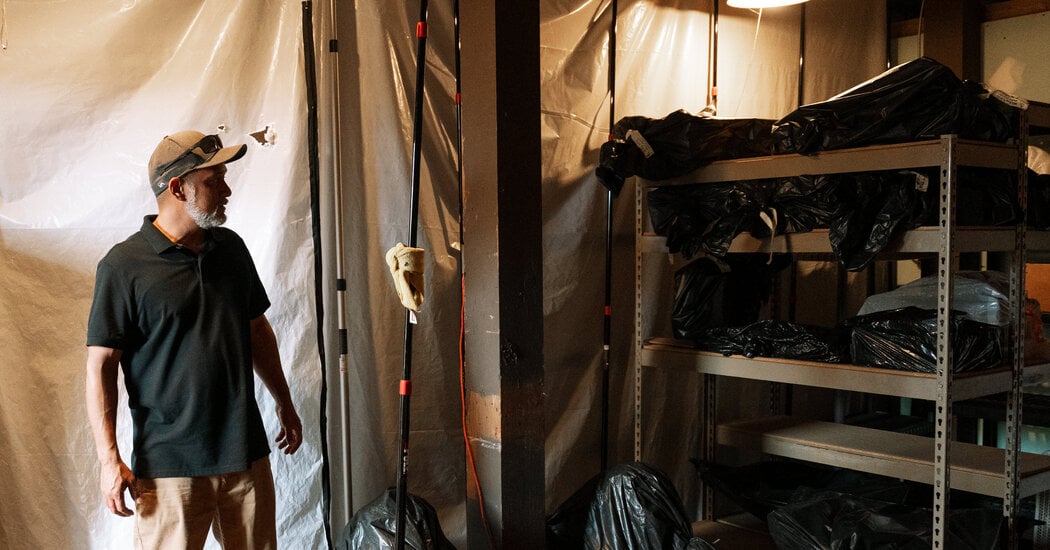
After a devastating wildfire in Lahaina, Maui, Native Hawaiians are pushing for the honoring of their history and culture in the town's rebuilding efforts. The fire not only claimed lives but also destroyed significant historical artifacts, including family genealogies, old land records, and entire museums. Native Hawaiians fear that Lahaina will be transformed into a tourist hub like Waikiki and are demanding that their place in the town's history be prioritized. Archaeologists are eager to recover salvaged artifacts, but authorities have not yet allowed access to the town. The Smithsonian Institution is providing support for artifact recovery and preservation. The fire has sparked a renewed push to restore Moku'ula, a royal headquarters buried beneath a baseball field, and calls for the return of a statue taken from the site by a German researcher. Native Hawaiians hope that the fire can serve as a catalyst to elevate their history and culture in Lahaina's rebuilding process.
The Hopewell Ceremonial Earthworks in Ohio, a collection of eight prehistoric earthworks built around 2,000 years ago, has been added to UNESCO's World Heritage List. These earthworks are considered the most representative surviving expressions of the Hopewell culture and are believed to have been used for ceremonial and astronomical purposes. This marks the 25th US landmark to be included on the list and the first addition since the US rejoined UNESCO earlier this year. The inclusion highlights the rich cultural and natural heritage of the United States.