
Divers Recover 1864 Guinness Bottle from Shipwreck Off Dover
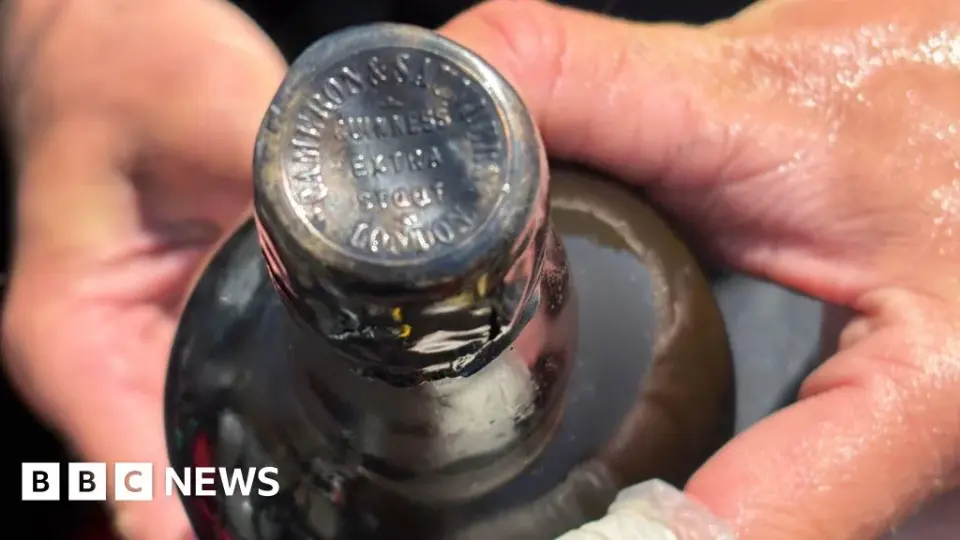
Belgian diver Stefan Panis discovered a 162-year-old bottle of Guinness in a shipwreck off the coast of Dover in 2025. The bottle, dating to 1864, was recovered and sent to researchers at KU Leuven University for analysis. Panis believes dozens more bottles remain buried in the wreck. Diageo is liaising with the divers to evaluate the find, while public interest in tasting the historic stout has grown.
Key points
- Stefan Panis, a Belgian underwater photographer with over 40 years of diving experience, discovered the bottle in 2025 while diving off the coast of Dover.
- The bottle dates back to 1864 and was identified after a quick rinse on the surface revealed the Guinness branding.
- Panis has recovered only one bottle so far but believes many more remain buried beneath the sand surrounding the wreck, with plans to recover more when conditions allow.
- Samples from the bottle have been sent to a microbiologist specializing in beer at KU Leuven University in Belgium for analysis.
- Researchers hope to recover the complete DNA of the stout to potentially re-brew the exact beer from the 1860s.
- There is a possibility the beer is still drinkable, depending on whether seawater has entered the bottles through the corks.
Background
This discovery adds to a growing interest in maritime archaeology and the preservation of historical artifacts. In June 2026, an 11-year-old boy in Suffolk, England, uncovered a 1.8-million-year-old elephant tooth on the coast, highlighting the significance of coastal discoveries. The Guinness find, however, is unique in its potential to recreate a historical beverage, offering a tangible connection to the past.
Why it matters
The discovery of a 162-year-old Guinness bottle provides a rare opportunity to study and potentially recreate a historical beverage, offering insights into brewing practices and consumer preferences of the 19th century. It also highlights the importance of maritime archaeology in uncovering historical artifacts and preserving cultural heritage. The potential for the beer to still be drinkable adds an element of intrigue and public interest, making it a significant find for both historians and enthusiasts.
What to watch
Researchers at KU Leuven University will analyze samples from the bottle to determine if the complete DNA of the stout can be recovered. If successful, they may attempt to re-brew the exact beer from the 1860s. Panis plans to recover more bottles from the shipwreck when conditions allow. Diageo's Guinness Archive team will continue to liaise with the divers to gather more information and evaluate the find. Public interest in tasting the historic stout may grow as more information becomes available.
Want the full story? Read the original reporting
Read on BBC