
Diwali 2026: Festive spending surges as Delhi battles severe air pollution
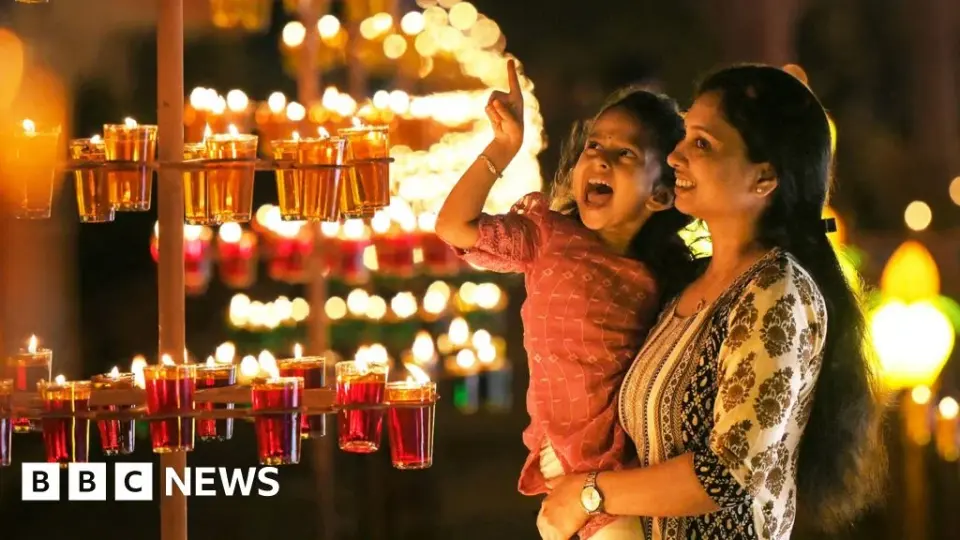
Diwali 2026 began with Dhanteras on November 6, marking the start of a five-day festival of lights across India. While millions celebrate with prayers, sweets, and decorations, the event coincides with severe air quality issues in northern India. Delhi’s air quality index reached 391, prompting the Supreme Court to allow only certified 'green' firecrackers. Meanwhile, festive spending has surged, with gold coin orders increasing 23 times and sweet orders rising 55%.
Key points
- The five-day Diwali festival commenced on November 6 with Dhanteras, followed by Chhoti Diwali and the main celebration on November 8.
- Delhi’s air quality index hit 391 on Friday, categorized as 'very poor,' due to seasonal weather, crop residue burning, and firecrackers.
- India’s Supreme Court permitted the sale of certified 'green' firecrackers in Delhi, which emit 20-30% less pollution, though critics question their effectiveness.
- Festive shopping trends show a 23-fold increase in gold coin orders and a 55% rise in sweet orders, with regional preferences varying across cities.
- Mumbai markets feature innovative decor like water diyas and instant rangolis, reflecting a blend of traditional and contemporary aesthetics.
Background
Diwali is a major Hindu festival symbolizing the triumph of light over darkness, rooted in the return of Lord Ram to Ayodhya. It is also observed by Sikhs and Jains, who mark it as Bandi Chhor Divas and the attainment of moksha by Lord Mahavira, respectively. The festival typically involves five days of celebrations, including prayers, family gatherings, and the exchange of gifts. In previous years, crowd safety has been a concern at large religious gatherings, as seen in a 2026 incident where at least 17 people died in a crowd crush at a Hindu festival event.
How outlets are covering it
BBC highlights the environmental impact of Diwali, emphasizing Delhi’s severe air pollution and the Supreme Court’s intervention regarding firecrackers. USA Today focuses on the global celebration and the visual spectacle of lights and decorations. The Times of India provides a detailed look at Mumbai’s festive shopping trends, noting the popularity of water diyas and contemporary decor. Curly Tales offers data on consumer spending, revealing significant increases in gold and sweet orders, with specific regional preferences for sweets like soan papdi in Ahmedabad and gulab jamun in Chennai. While all sources agree on the festive nature of Diwali, they differ in emphasis: BBC and The Times of India focus on environmental and local market trends, while USA Today and Curly Tales highlight the broader cultural and economic aspects.
Why it matters
Diwali 2026 underscores the tension between traditional celebrations and environmental concerns, particularly in urban areas like Delhi. The surge in festive spending indicates strong consumer confidence, but the air quality crisis highlights the need for sustainable practices. The Supreme Court’s decision to allow green firecrackers reflects a balance between cultural traditions and environmental protection. Additionally, the regional variations in shopping trends provide insights into consumer behavior and cultural preferences across India.
What to watch
The main Diwali celebration will occur on November 8, followed by the fourth day of festivities and Bhai Dooj on November 10. Air quality in Delhi and other northern cities is expected to worsen post-Diwali due to firecrackers and seasonal conditions. The Supreme Court’s decision on green firecrackers will be monitored for its effectiveness in reducing pollution. Festive spending is likely to continue, with potential impacts on retail and consumer markets. The cultural and economic significance of Diwali will be further analyzed in the coming weeks, with a focus on sustainability and consumer trends.
- Diwali 2026: Indians celebrate festival with lights and fireworks BBC
- Spectacular colors, lights as Diwali preparations begin around the world USA Today
- Mumbai dresses up for Diwali: Water diyas, boho torans and instant rangolis steal the show The Times of India
- Diwali 2026: 55% Jump In Mithai Orders, Ahmedabad Picks Soan Papdi & Chennai Loves Gulab Jamun Curly Tales
- India gears up for Diwali as markets bustle, preparations gather pace The New Indian Express
Want the full story? Read the original reporting
Read on BBC