
Graphic Novel Links Historical Genocides to Current Gaza Crisis
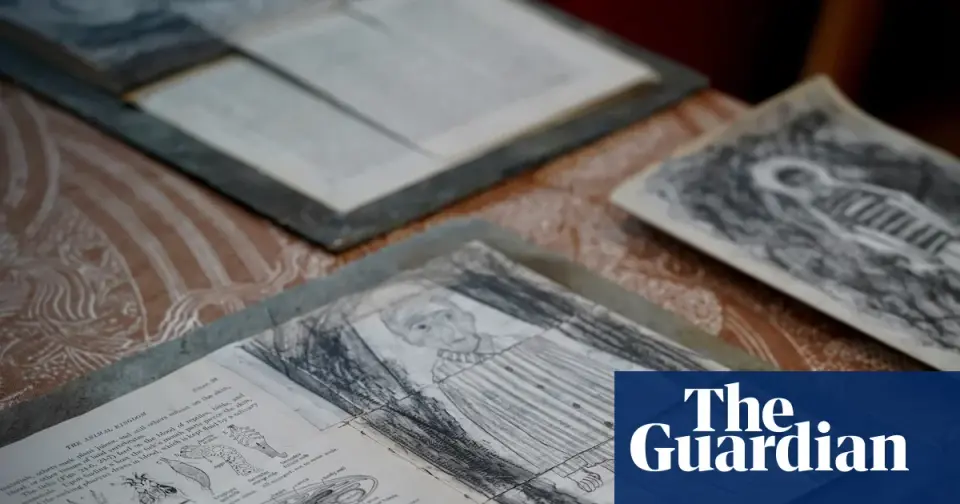
Dana Mashoian Walrath’s new book, 'The Book of Genocides,' uses interactive comics to connect ten historical mass atrocities, including the Holocaust and the current situation in Palestine, arguing that land theft and dehumanization are common precursors to genocide.
Key points
- The book features ten case studies ranging from Indigenous peoples in the Americas to the Rohingya, utilizing an experimental format where readers cut pages to transform human faces into beasts, symbolizing dehumanization.
- Walrath, an Armenian-American anthropologist, traveled to all ten locations to interview survivors, a process that caused severe physical illness, including chest colds, due to the emotional toll of witnessing grief.
- The inclusion of a chapter on Palestine, labeling the current conflict as genocide, is expected to result in Walrath being banned from entering Israel, though she maintains the term aligns with the 1948 Genocide Convention.
- The work avoids explicit depictions of violence, using metaphorical imagery to encourage active reader engagement and moral reflection on complicity, rather than passive consumption like cinema.
- Published by Harvard University Press on September 8, the book argues that genocides are often bureaucratic operations driven by land theft and systemic injustice, rather than spontaneous acts of tribal hatred.
Background
This release follows a trend of high-profile graphic novels in 2026, such as John Carpenter’s 'Cathedral,' which paired a dystopian narrative with a synth-metal album. While Carpenter’s work focused on horror and survival, Walrath’s project addresses historical and contemporary political violence through an anthropological lens.
Why it matters
The book challenges the separation of historical and current genocides, forcing readers to confront the structural parallels between past atrocities and present-day conflicts. By using interactive design, it aims to make the abstract concept of dehumanization physically tangible, potentially influencing public discourse on the definition and recognition of genocide in international law.
What to watch
The book is available for purchase starting September 8. Walrath anticipates facing professional consequences, including travel bans to Israel, but expects the work to spark necessary conversations about the ongoing crisis in Gaza and the broader patterns of settler colonialism.
Want the full story? Read the original reporting
Read on The Guardian