
Latvia Deploys Automated Anti-Drone Wall to Reduce NATO’s Reliance on Costly Fighter Jets
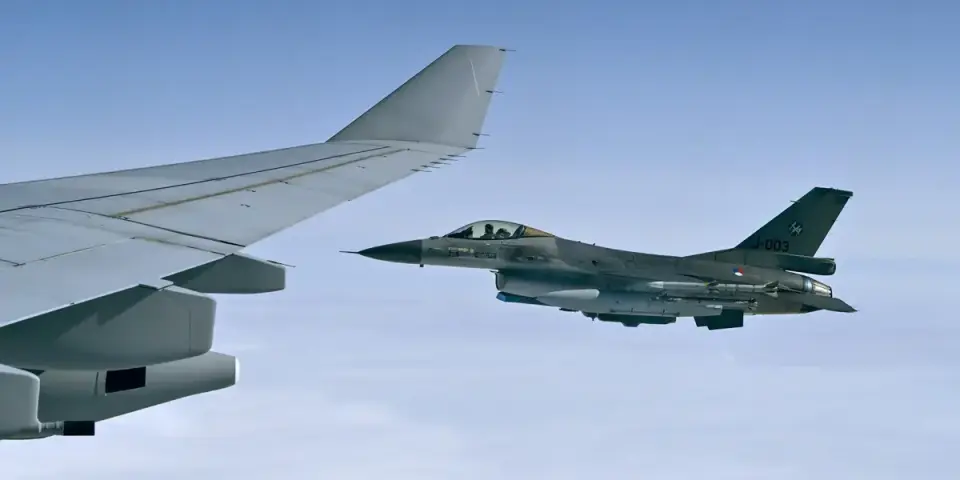
Latvia is completing an automated anti-drone wall along its eastern border with Russia by the end of September 2026, aiming to neutralize intrusions before they reach NATO fighter jets. The system, inspired by Ukraine’s use of cheap interceptor drones, seeks to replace expensive air-to-air missiles as the primary defense against low-cost Russian drones. While NATO jets remain a secondary line of defense, this shift addresses the unsustainable cost of shooting down cheap drones with high-value interceptors. The move reflects broader NATO concerns over rising drone incursions and the need for scalable, affordable countermeasures.
Key points
- Latvia’s new anti-drone wall is expected to be completed by late September 2026 and will autonomously detect, track, and neutralize drones entering its airspace.
- The system is designed to make fighter jets a secondary defense, reducing reliance on costly air-to-air missiles like those used by F-35s and F-16s.
- Latvia’s approach is inspired by Ukraine’s use of cheap interceptor drones, which have proven effective against Russian attack drones.
- NATO Secretary General Mark Rutte has emphasized the need for cost-effective drone interception methods, noting that current practices are unsustainable.
- Latvia’s defense minister, Raivis Melnis, stressed that the border is a Russia-NATO and Russia-Europe boundary, not just a bilateral issue.
Background
Recent months have seen a sharp increase in Russian drone incursions into NATO airspace, including incidents near Poland and Romania. In August 2026, a Spanish F-18 shot down a drone over Romania, marking the fourth such incident that year. In September 2026, a jet-powered Russian drone fell near the Polish border during an attack on western Ukraine, prompting Poland to scramble jets and place air defenses on alert. These events underscore the growing threat posed by cheap, mass-producible drones and the strain they place on NATO’s existing air defense systems.
How outlets are covering it
Business Insider highlights Latvia’s proactive approach to drone defense, emphasizing the cost-effectiveness of Ukraine-inspired interceptor drones over traditional air-to-air missiles. The outlet notes that NATO leaders, including Secretary General Mark Rutte, have acknowledged the unsustainability of using expensive interceptors against cheap drones. CEPA, on the other hand, proposes a more centralized NATO solution: a dedicated multinational squadron of armed jet trainers, such as the Czech Aero L-39NG, to handle drone interception. CEPA argues that this approach would be more scalable and cost-effective than relying on frontline fighters, while also reducing the strain on existing air defense resources. Janes, meanwhile, focuses on the technical aspects of drone interception, showcasing the Aero Vodochody L-39 Skyfox equipped with laser-guided rockets and targeting pods, highlighting the platform’s potential for counter-UAS missions. While all three sources agree on the need for cheaper, more scalable drone defenses, they differ in their proposed solutions: Latvia’s automated wall, CEPA’s multinational squadron, and Janes’s focus on specific aircraft and weaponry.
Why it matters
Latvia’s anti-drone wall represents a significant shift in NATO’s approach to drone defense, moving away from costly, high-value interceptors toward cheaper, more scalable solutions. This move could set a precedent for other NATO allies facing similar threats, potentially reducing the financial and operational burden of defending against cheap, mass-producible drones. The success of Latvia’s system could also influence NATO’s broader strategy for countering drone incursions, potentially leading to the adoption of similar technologies across the alliance. Additionally, the move underscores the importance of learning from Ukraine’s battlefield experience, as NATO seeks to adapt to the evolving nature of modern warfare.
What to watch
The completion of Latvia’s anti-drone wall by the end of September 2026 will be a key milestone, with its effectiveness likely to be assessed in the coming months. NATO may also consider adopting similar technologies or strategies, such as CEPA’s proposed multinational squadron, to address the growing threat of drone incursions. The success of Latvia’s system could also influence future defense procurement and strategy across the alliance, potentially leading to a broader shift toward cheaper, more scalable drone defenses.
- NATO uses fighter jets to stop drones. One ally says a Ukraine-inspired defense will handle them first. Business Insider
- NATO Needs a Drone-Interceptor Squadron Center for European Policy Analysis (CEPA)
- Czechia Can Produce 12 L-39NG Skyfox Aircraft a Year, Has Sold 40, Including Four Reportedly for Armenia Defense Express
- Latvia nears completion of anti-drone wall along entire Russian border The New Voice of Ukraine
- Aero Vodochody showcases Skyfox Drone Hunter Janes
Want the full story? Read the original reporting
Read on Business Insider