
Netanyahu Orders Regime Change in Iran Amid US Election Constraints
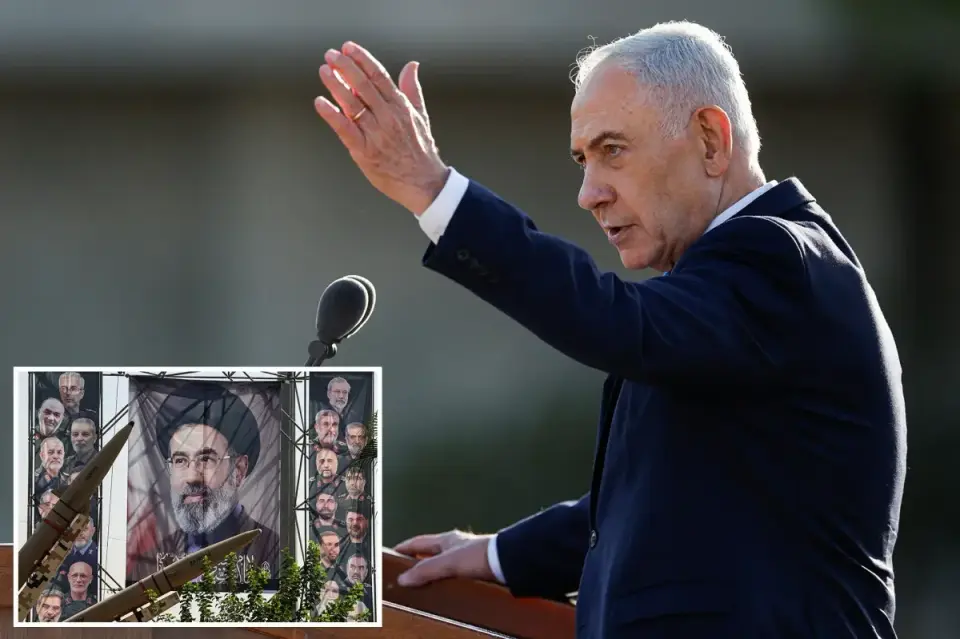
Israeli PM Netanyahu has directed the IDF and Mossad to pursue the overthrow of the Iranian regime, citing it as the only way to eliminate the nuclear threat. While Trump supports the goal, he has not approved immediate strikes, suggesting action may occur after US midterm elections. Analysts question whether air power alone can achieve regime change without ground troops or US support.
Key points
- Netanyahu stated at an IDF graduation ceremony that overthrowing the Iranian regime is the sole method to remove the existential nuclear threat, issuing a direct order to security branches.
- Trump indicated support for toppling the regime but suggested a decisive move might happen after the November US midterm elections, noting conflicting signals on ongoing negotiations.
- Defense Minister Israel Katz warned that Iran is at its weakest point and may launch attacks to influence the October 27 Israeli elections, promising a heavy response to any aggression.
- US officials have drawn up plans for renewed strikes, potentially using massive ordnance on nuclear and energy sites, but Trump has not yet given the final go-ahead.
- Iranian Supreme Leader Mojtaba Khamenei has resumed nuclear efforts after previous strikes, prompting Netanyahu to accuse him of following his father’s path.
Background
This escalation follows months of tension, including a February 2026 strike that killed former Supreme Leader Ali Khamenei and subsequent Israeli claims that Iran buried its nuclear program deep underground. In October, Netanyahu previously predicted the regime would collapse due to internal weakness and external pressure. Meanwhile, Iran has faced domestic unrest, with 51,000 troops deployed to suppress protests, and economic strain from US oil blockades. Recent events include a Hebron shooting that led to a West Bank lockdown, further straining regional stability before the Israeli elections.
How outlets are covering it
The New York Post highlights Netanyahu’s explicit directive to the IDF and Mossad, framing it as a definitive strategic shift. CNN focuses on the domestic political cost in the US, noting that Iowa Republicans are wary of renewed war due to high fuel prices and the loss of two Iowa soldiers, creating pressure on Trump to avoid escalation before midterms. Al Jazeera provides a skeptical military analysis, arguing that while Israel has firepower, it lacks the ground force or US support needed to actually topple the government, noting that air strikes alone cannot achieve regime change. The outlets differ on the likelihood of immediate action: the Post and CNN suggest a post-election strike is likely, while Al Jazeera questions the feasibility of the objective itself.
Why it matters
The potential for a new, intense military conflict in the Middle East could destabilize global energy markets and escalate a regional war. The timing is critical, as both US and Israeli elections are approaching, with leaders balancing military objectives against domestic political costs. The success or failure of regime change efforts will determine the future trajectory of the nuclear standoff and regional alliances.
What to watch
Watch for any official US approval of strikes, which Trump hinted might come after the November midterms. Monitor Iranian military movements and any signs of pre-emptive attacks ahead of the October 27 Israeli elections. Assess whether US and Israeli planners can secure the necessary resources for a sustained campaign, including the use of heavy ordnance, without triggering a broader regional conflict.
- Israeli Prime Minister Netanyahu orders IDF, Mossad to pursue overthrow of Iranian regime New York Post
- Trump keeps hinting he’ll resume the Iran war after the midterms. These Iowa GOP voters sound wary CNN
- Iran War’s Architects Get Ready to Face Frustrated Voters Bloomberg.com
- US and Israel drawing up plans to resume attacks on Iran post-election, sources say Yahoo
- Netanyahu promises Iran regime change: Can Israel topple Tehran government? Al Jazeera
Want the full story? Read the original reporting
Read on New York Post