
Takaichi Prioritizes AI and Unmanned Systems in Record Defense Push
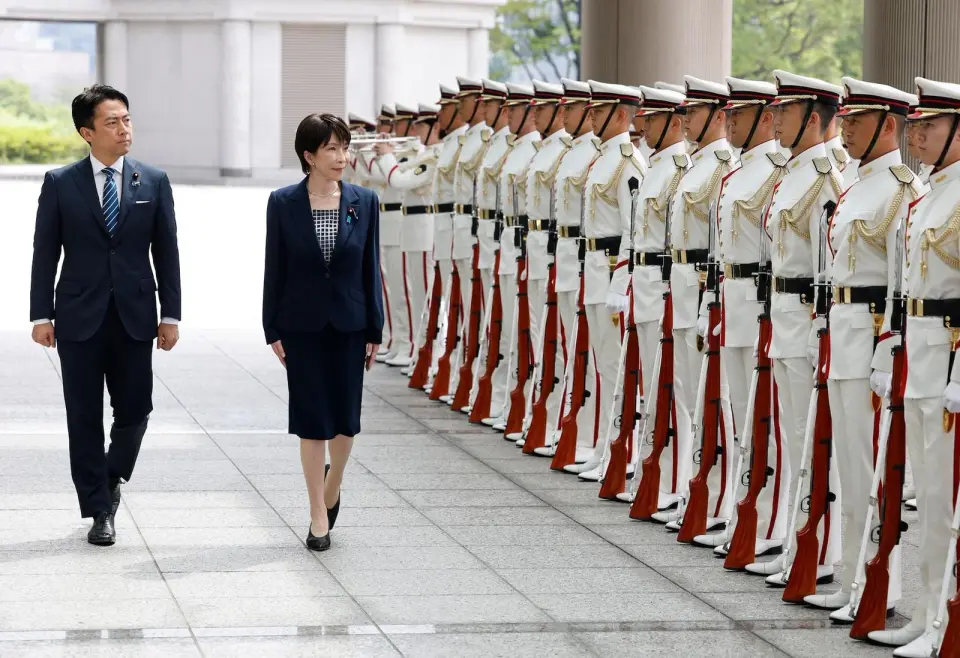
Prime Minister Takaichi has vowed to accelerate the integration of artificial intelligence and unmanned assets into Japan’s military. This push aligns with a record FY2027 defense budget request of 8.9 trillion yen, which prioritizes autonomous capabilities to adapt to evolving warfare. While supporters view this as necessary for national security, critics argue the move ignores domestic economic struggles and historical concerns.
Key points
- PM Takaichi pledged to speed up the adoption of AI and unmanned defense assets.
- The FY2027 defense budget request stands at a record 8.9 trillion yen, potentially exceeding 10 trillion yen after deliberations.
- The budget prioritizes AI, unmanned assets, and maritime programs like Taigei-class submarines and Aegis destroyer enhancements.
- Critics argue the military spending is reckless given Japan's high debt-to-GDP ratio and domestic social issues.
- Supporters argue Japan must modernize to respond to threats from neighbors like China and Russia.
Background
This development follows Japan's FY2027 defense budget request, which marked a record 8.9 trillion yen and emphasized AI and unmanned assets to adapt to 'new ways of warfare.' The budget included major maritime programs, such as New FFM frigates, Taigei-class submarines, and long-endurance UAVs. It also included enhancements to Aegis destroyers for Tomahawk deployment and research into submarine- and underwater-launched missiles. This move is part of a broader trend of defense modernization in the region, including a three-way defense pact between Turkey, Saudi Arabia, and Pakistan that emphasizes joint development of unmanned and AI-enabled capabilities.
How outlets are covering it
Japan Today highlights the political controversy surrounding Takaichi's push, with comments reflecting deep division. Some commenters support the move, arguing Japan must strengthen its military to respond to threats from China and Russia. Others criticize the government for prioritizing military spending over domestic issues like poverty, healthcare, and earthquake evacuees. They also point to Japan's high debt-to-GDP ratio, over 200%, as a reason to oppose the spending. Yahoo's article, while not directly about Takaichi, discusses the potential of missile-armed underwater drones, which aligns with the broader trend of unmanned and AI-enabled defense assets that Takaichi is pushing. The article notes that such drones could be quieter and harder to track than submarines, highlighting the strategic importance of these technologies.
Why it matters
Takaichi's push for AI and unmanned defense assets signals a significant shift in Japan's defense strategy, moving toward more autonomous and technologically advanced capabilities. This move is part of a broader trend of defense modernization in the region, as countries seek to adapt to evolving threats. However, the move also highlights the tension between military spending and domestic economic and social issues, as critics argue that Japan's high debt-to-GDP ratio and social problems should take precedence over military expansion.
What to watch
The final FY2027 defense budget is expected to exceed 10 trillion yen, with hundreds of unpriced item requests awaiting year-end deliberations. The integration of AI and unmanned assets into Japan's military will likely continue to be a key focus, as the country seeks to adapt to new ways of warfare. The political debate over the move is likely to continue, with supporters and critics weighing the strategic benefits against the economic and social costs.
- Takaichi vows to speed up AI, unmanned defense asset introduction Japan Today
- Japan Seeks Record Defense Budget as Takaichi Plans Buildup Bloomberg.com
- This missile-armed underwater drone could be quieter and harder to track than a submarine Yahoo
- Japan Defense Bluefield Daily Telegraph
- Japan to Arm Fighter Jets with AARGM-ER Missiles to Counter Chinese Air Defenses Мілітарний
Want the full story? Read the original reporting
Read on Japan Today