
Ukraine’s Drone Edge Lies in Adaptive Systems, Not Single Platforms
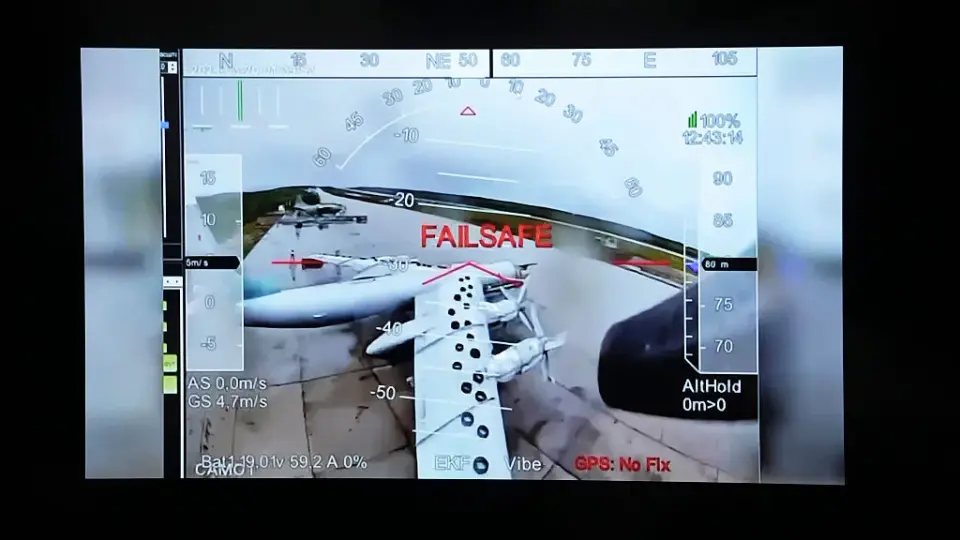
Western observers are misinterpreting Ukraine’s drone success by focusing on individual hardware rather than its integrated, adaptive ecosystem. While US intelligence sharing has recently rebounded, aiding deep strikes on Russian energy infrastructure, the core lesson for global defense is the value of rapid iteration and human-in-the-loop control over full autonomy.
Key points
- Ukraine’s advantage stems from a networked approach combining reconnaissance, electronic warfare, and strike drones, rather than relying on a single superior platform.
- Military operators prefer human oversight in drone operations to prevent friendly fire incidents, challenging the trend toward full artificial intelligence autonomy.
- Resilience against sabotage and cyberattacks is becoming a critical procurement metric, alongside cost and production speed, as seen in threats to European defense facilities.
- US intelligence sharing with Ukraine has improved, enhancing the effectiveness of long-range strikes on Russian energy targets and boosting Kyiv’s leverage in negotiations.
- The primary takeaway for Western governments is the need to build institutional ecosystems that can rapidly absorb and integrate new technologies, mirroring Ukraine’s whole-of-society innovation model.
Background
Recent months have seen a surge in Ukrainian long-range strikes against Russian logistics and energy hubs, including significant damage to Wildberries warehouses and diesel export facilities. This offensive capability has been bolstered by renewed US intelligence support, which analysts suggest has 'supercharged' the precision of these attacks. Concurrently, concerns have grown over Russian drone tactics targeting civilians, such as the 'human safari' incidents in Kherson, highlighting the evolving nature of drone warfare on both the battlefield and in occupied territories.
How outlets are covering it
Breaking Defense argues that the focus on specific drone models or AI autonomy is a mistake, emphasizing instead the importance of integrated networks and institutional adaptability. In contrast, Politico highlights the immediate tactical impact of restored US intelligence sharing, noting that this cooperation has directly enabled Ukraine’s recent successes against Russian energy infrastructure. The Guardian focuses on the operational reality of elite strike units, framing the conflict as a democratic versus totalitarian struggle, while detailing how Ukraine is using its vast size against Russia. While Breaking Defense warns against over-reliance on autonomy, Politico and The Guardian underscore the current effectiveness of human-guided, intelligence-driven strikes.
Why it matters
This story shifts the focus of defense procurement from buying hardware to building adaptive systems. For Western nations, the implication is that simply purchasing Ukrainian drones is insufficient; they must replicate the underlying innovation ecosystem that allows for rapid feedback and integration. Furthermore, the resurgence of US-Ukraine intelligence cooperation signals a potential shift in the strategic balance of the war, potentially influencing peace negotiations and the broader geopolitical stance of the Trump administration.
What to watch
Western defense acquisition bodies may begin incorporating resilience against sabotage into their evaluation criteria for defense contractors. There is likely to be increased scrutiny on how effectively governments can orchestrate multiple vendors into coherent solution sets. Additionally, the continued success of Ukrainian strikes may pressure Russia to the negotiating table, while the US may further adjust its intelligence sharing protocols to support these operations.
- Everyone is learning the wrong lessons from Ukraine’s drone war breakingdefense.com
- US intel sharing rebounds with Ukraine Politico
- ‘This is where democracy beats totalitarianism’: Ukraine’s drone strike force takes the fight to Russia The Guardian
- Game of drones: inside the 7 August Guardian Weekly The Guardian
- Ukraine's Long-Range Strike Command: Institutionalising Deep Strike Futura Doctrina | Mick Ryan
Want the full story? Read the original reporting
Read on breakingdefense.com