
Ukraine Signs Letter of Intent with Nokia and ICEYE to Build Sovereign Satellite Network
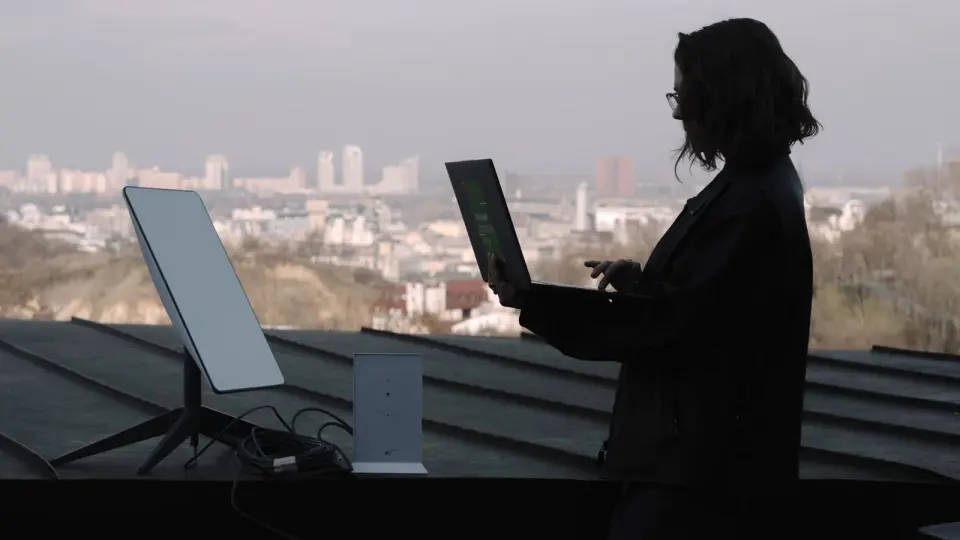
Ukraine’s Ministry of Defense signed a letter of intent with Finnish firms Nokia and ICEYE to develop sovereign satellite communications, aiming to reduce reliance on SpaceX’s Starlink and Starshield services following recent speed restrictions that disrupted military drone operations.
Key points
- On October 22, 2026, Ukraine’s Ministry of Defense, Nokia, and ICEYE signed a letter of intent to explore cooperation in building sovereign satellite communications capabilities.
- The agreement was announced during a visit by Finnish Prime Minister Petteri Orpo to Kyiv, coinciding with broader €300 million in defense and infrastructure deals between the two nations.
- Ukraine President Volodymyr Zelenskyy stated that modern warfare has proven reliable communications are a matter of national security, emphasizing the need for capabilities Kyiv can control.
- The partnership follows recent restrictions by SpaceX on Starlink and Starshield services, which limited connectivity for drones and aircraft traveling over 100 mph, causing fast-moving military assets to disconnect.
- Both the Trump administration and SpaceX CEO Elon Musk denied responsibility for the unannounced service changes, though Trump later indicated he would call Musk to lift the restrictions.
- U.S. lawmakers from both parties are calling for a formal probe into the alleged unilateral changes made by SpaceX, while analysts warn that such unreliability could reduce U.S. exports to the EU over time.
Background
Ukraine has increasingly sought to diversify its satellite communications infrastructure following the 2022 Russian invasion, which exposed vulnerabilities in relying on foreign commercial networks. Recent tensions with the U.S. over Starlink restrictions have accelerated efforts to develop sovereign capabilities. In October 2026, Kyiv signed multiple agreements with Finland, including the Nokia and ICEYE partnership, as part of a broader strategy to reduce dependence on U.S. and Russian systems. Concurrently, Russia has advanced its own Rassvet satellite network, while a close approach by a Russian military satellite to an ICEYE asset in late October raised concerns about the security of space assets supporting Ukrainian operations.
How outlets are covering it
CNBC emphasizes the strategic necessity of sovereign communications and the political fallout from SpaceX’s restrictions, highlighting calls for a U.S. probe and warnings about U.S. reliability as an ally. Politico focuses on the diplomatic dimension, noting the joint press release and the visit of Finnish Prime Minister Petteri Orpo, framing the deal as a response to degraded Starshield access. SpaceNews underscores the technical challenge of building a new network, noting the lack of a drop-in replacement for Starlink. Nokia and ICEYE’s official statement stresses the importance of ownership and control over satellites, ground segments, and terminals, positioning the partnership as a step toward long-term European security. Analysts like Chad Anderson and Jay Shambaugh provide context on the timeline and geopolitical implications, while Virginia Burger highlights the absence of immediate alternatives for high-speed drone warfare.
Why it matters
The move signals a shift in Ukraine’s defense strategy toward sovereign technology, reducing vulnerability to external political or commercial decisions. It also reflects broader European efforts to build independent satellite capabilities, potentially reshaping global defense supply chains and U.S.-EU relations. The incident underscores the critical role of satellite communications in modern warfare and the risks of dependence on single providers.
What to watch
Ukraine, Nokia, and ICEYE will likely move from the letter of intent to detailed technical and financial agreements. The U.S. may face increased pressure to investigate SpaceX’s actions, potentially affecting future defense contracts. The EU’s IRIS² program and other competitors like Amazon’s Leo and Blue Origin’s TeraWave may gain momentum as nations seek alternatives. Russia’s Rassvet network may continue to advance, potentially filling gaps left by U.S. restrictions.
- In hunt for Starlink alternative, Ukraine partners with Nokia and satellite maker ICEYE CNBC
- Amid Starshield fight, Ukraine looks to European companies for satellite communications Politico
- Ukraine plans independent satellite system as Starlink issues persist Al Jazeera
- Ukraine explores its own satellite network after SpaceX disruptions SpaceNews
- ICEYE and Nokia partner with the Ministry of Defence of Ukraine to develop sovereign satcom capability Nokia
Want the full story? Read the original reporting
Read on CNBC