
New Book Reveals Internal Clashes That Delayed Israel’s Strike on Hezbollah After Oct. 7
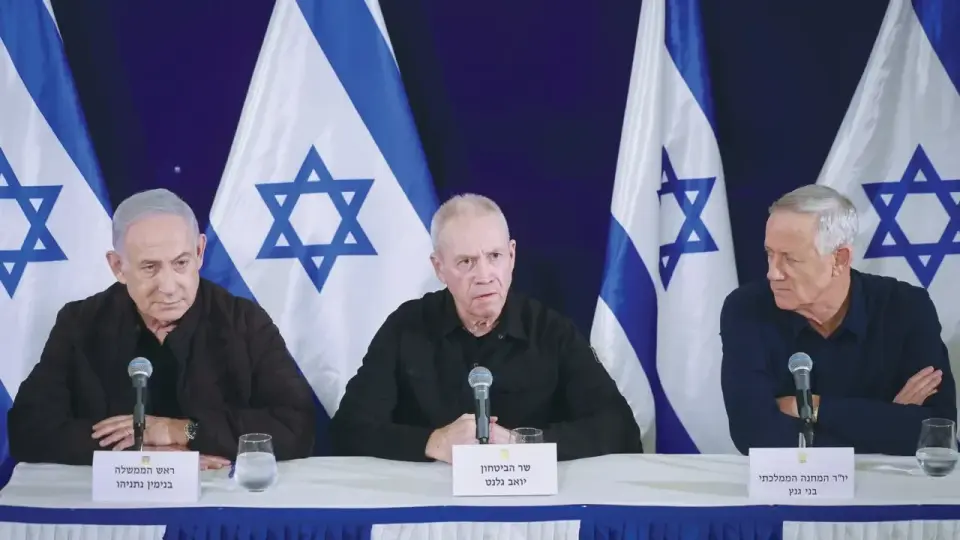
A new book by Yonah Jeremy Bob and Elliot Kaufman details how internal disagreements among Israeli leaders delayed a decisive strike against Hezbollah in the days following the October 7 attack. The work highlights the strategic tensions between Prime Minister Benjamin Netanyahu, Defense Minister Yoav Gallant, and War Minister Benny Gantz, revealing how their shifting alliances and debates over immediate action versus hostage negotiations shaped the early stages of the war. It also notes that the removal of Gallant and Gantz later left Netanyahu without a counterweight to his decision-making, potentially impacting the war's trajectory.
Key points
- The book 'In The War Room' provides an inside account of Israel's post-Oct. 7 strategy, focusing on the 'war room' meetings between Netanyahu, Gallant, and Gantz.
- Gallant believed Hezbollah posed a greater existential threat than Hamas and advocated for an immediate, devastating strike to cripple the group before it could launch a major assault.
- Internal debates often saw 'doves' and 'hawks' switch positions, with Gantz and Gallant frequently pressing Netanyahu for more aggressive action, such as an invasion of Gaza, to secure hostage releases.
- The authors note that the trio's balancing of views helped prevent major errors and maintained relations with Western allies, but the later removal of Gallant and Gantz left Netanyahu without a substantive check on his decisions.
- The book covers the beeper and pager campaigns against Hezbollah and the US-Israeli strikes on Iran's nuclear facilities, based on two years of interviews with key Israeli and US officials.
Background
This briefing follows recent scrutiny of Netanyahu's delayed communication with IDF Chief of Staff Herzi Halevi during the Oct. 7 attack and Sara Netanyahu's claims regarding prior knowledge of the attack. The new book adds to the ongoing discourse about the decision-making processes and internal dynamics within the Israeli government during the war.
Why it matters
Understanding the internal deliberations and strategic disagreements among Israel's top leaders provides crucial insight into the decision-making process during a critical period of the war. It highlights how internal politics and shifting alliances can impact military strategy and the overall outcome of a conflict, particularly in the context of hostage negotiations and the broader regional dynamics involving Iran and its proxies.
What to watch
The publication of this book may lead to further public and political debate in Israel regarding the effectiveness of the war strategy and the role of internal disagreements in shaping military operations. It could also influence discussions about the accountability and decision-making processes of Israeli leaders in future conflicts.
Want the full story? Read the original reporting
Read on The Jerusalem Post