
Surge in Border Crossings and Financial Flows Signals Fears of Russian Mobilization
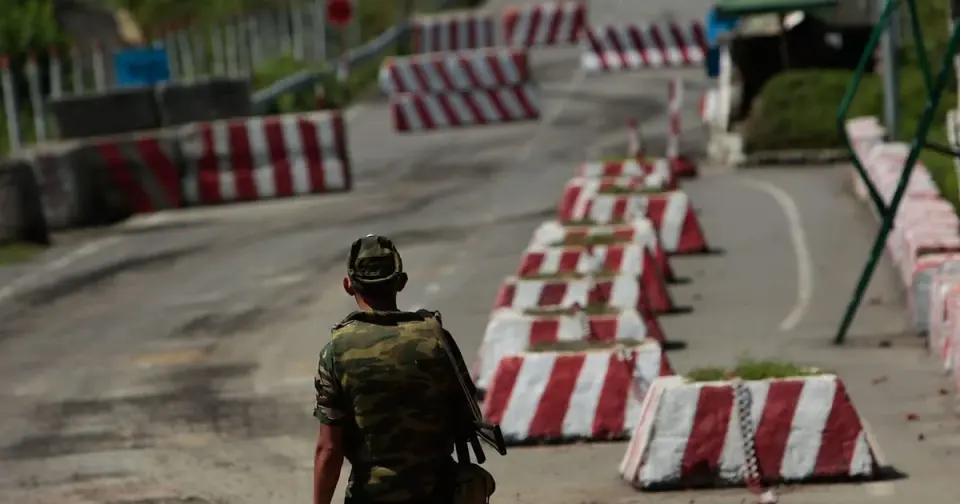
Over 113,000 Russians crossed into Georgia via the Upper Lars checkpoint in a single week, a sharp increase linked to fears of a new Kremlin mobilization. While Moscow denies plans for a mass call-up, officials have intensified data collection on reservists and expanded the National Guard’s role. Simultaneously, ruble deposits in Georgian banks rose by nearly 33% in July, and rental demand in Tbilisi and Yerevan surged, indicating significant economic and social anxiety among the Russian population.
Key points
- More than 113,000 Russians entered Georgia through the Upper Lars checkpoint between August 17 and 24, with over 20,000 crossing on August 20 alone.
- The Kremlin denies mobilization plans, with UN Ambassador Vasily Nebenzya stating it is neither planned nor expected, while spokesperson Dmitry Peskov attributes rumors to Ukrainian interference.
- Russian authorities have begun collecting personal data from reservists through employers and implementing mandatory electronic summonses, which take effect immediately and trigger travel bans.
- Ruble-denominated deposits in Georgian banks increased by 32.9% in July, reaching approximately 3.1 billion rubles, while rental demand in Tbilisi and Yerevan rose by up to 30% compared to last year.
- Ukrainian President Volodymyr Zelenskyy claimed intelligence services expect Russia to mobilize several hundred thousand men by year’s end, though no official announcement is expected before September parliamentary elections.
Background
This development follows a period of significant financial instability in Russia, where citizens withdrew billions of dollars from banks in mid-2026 due to fears of asset seizure for war funding. Previous coverage noted that Moscow has struggled to meet its 2026 recruitment target of 409,000 contract soldiers, with monthly figures dropping to 27,000 in some months. The current surge in border traffic mirrors the exodus seen in September 2022, when a partial mobilization of 300,000 men triggered a mass departure of Russians to visa-free countries like Georgia.
How outlets are covering it
Politico emphasizes the administrative preparations for mobilization, highlighting the shift to electronic summonses and the expansion of the National Guard’s remit. United24 Media focuses on the scale of the exodus and the Kremlin’s denial, noting that Russia has failed to consistently recruit more than 30,000 contract soldiers monthly. TVP World highlights the economic impact, citing a 30% rise in rental demand in Tbilisi and Yerevan, suggesting a long-term displacement rather than a temporary flight. Caspian Post provides financial data, showing a 32.9% increase in ruble deposits in Georgia, indicating that some Russians are moving assets abroad in anticipation of potential financial controls or mobilization. While all sources agree on the heightened anxiety, they differ in emphasis: Politico and United24 focus on military and political signals, while TVP World and Caspian Post highlight the economic and social consequences.
Why it matters
The surge in border crossings and financial flows indicates a deepening crisis of confidence in the Russian state and its military strategy. If mobilization occurs, it could exacerbate existing manpower shortages and social unrest, potentially destabilizing the Kremlin’s grip on power. The economic impact on Georgia and Armenia, as well as the potential for further capital flight, could have broader regional implications. The Kremlin’s denial of mobilization plans, coupled with aggressive recruitment measures, suggests a strategy to avoid the political costs of a formal call-up while still attempting to replenish its forces.
What to watch
Analysts expect no official mobilization announcement before the September parliamentary elections, as the Kremlin seeks to avoid a politically risky move. However, the continued intensification of recruitment efforts, data collection on reservists, and the expansion of the National Guard’s role suggest that preparations for a potential call-up are ongoing. The outcome of the elections and the subsequent political landscape will likely influence the Kremlin’s decision on whether to proceed with mobilization or continue with coercive recruitment strategies.
- Fleeing Russians fear Putin is quietly preparing for another mobilization politico.eu
- More Than 113,000 Russians Cross Into Georgia in One Week Amid Mobilization Rumors UNITED24 Media
- Russians rush for rentals abroad amid mobilization fears TVP World
- More than 113,000 Russians cross into Georgia in a week as fears grow of new mobilization, Politico reports The Kyiv Independent
- Russians Step Up Money Transfers to Georgia Amid New Mobilization Rumors Caspian Post
Want the full story? Read the original reporting
Read on politico.eu