
AFCENT Commander and CSAF Highlight Operational Gaps and Airmen Resilience in Epic Fury
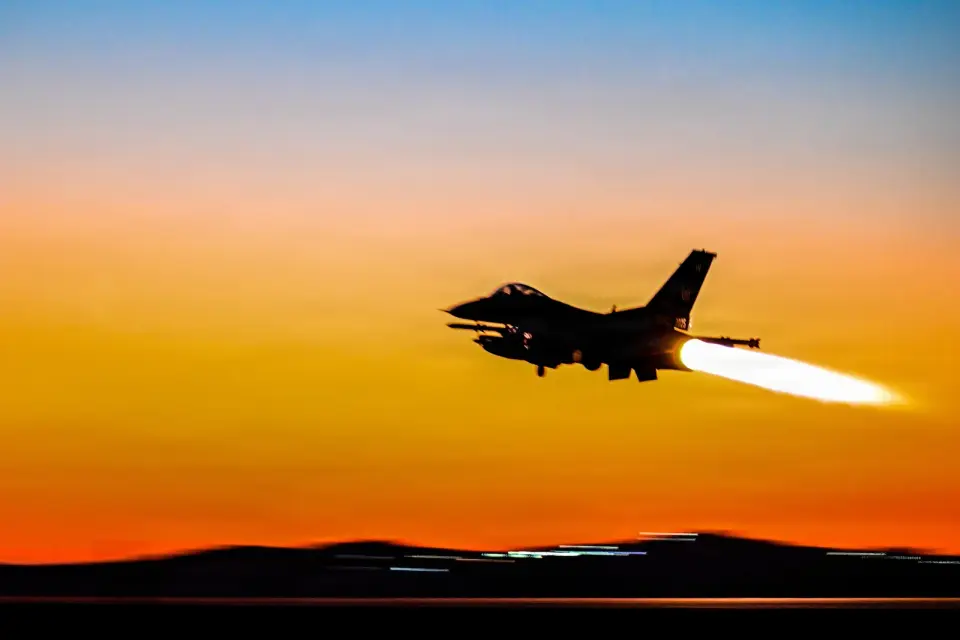
Lt. Gen. Derek France and Gen. Kenneth Wilsbach detailed lessons from Operation Epic Fury, noting strong joint coordination but significant logistical and base defense challenges. While 13,000 targets were struck in 38 days, munitions shortages and Iranian missile barrages exposed gaps in current U.S. military infrastructure and doctrine.
Key points
- Operation Epic Fury involved strikes on 13,000 targets, including 4,000 dynamic ones, over 38 days, with 500 aircraft executing 10,000 sorties.
- Lt. Gen. Derek France identified munitions logistics as a critical weakness, forcing commanders to meter weapon usage due to missing tail kits.
- Gen. Kenneth Wilsbach announced a new point defense career field and weapon system to address the loss of air base sanctuary.
- Iran launched over 1,500 ballistic missiles and 6,000 drones, testing U.S. defenses and highlighting the need for underground command centers.
- The DUDE 44 rescue operation required 176 aircraft and 50 hours of coordination, resulting in 10 battlefield promotions for involved airmen.
Background
Operation Epic Fury began on Feb. 28, 2026, marking the largest U.S. air campaign in 35 years. It followed earlier operations like Midnight Hammer in June 2025 and Rough Rider in spring 2025. The conflict represents a shift from counterterrorism to major theater war against a sophisticated adversary with ties to Russia and China.
How outlets are covering it
Air & Space Forces Magazine emphasized logistical failures and the need for flexible command structures, with Lt. Gen. France noting that bases could not meet tasking due to missing components. The Air Force Reserve Command and TWZ focused on individual airmen resilience, with Gen. Wilsbach highlighting specific stories of crew chiefs launching jets under fire and air battle managers coordinating complex rescues. While France stressed systemic issues like rapid staff rotations hindering coordination, Wilsbach framed the experience as a testament to the 'fight, endure, win' ethos, announcing structural changes like point defense career fields to address the new threat environment.
Why it matters
The operation reveals that U.S. military logistics and base defense are not prepared for high-intensity conflict against a peer-like adversary. The shift from counterterrorism to major combat operations requires fundamental changes in supply chains, infrastructure hardening, and personnel retention to maintain operational effectiveness in future conflicts.
What to watch
The Air Force is implementing a new point defense career field and weapon system within two years. The Pentagon and Lockheed Martin are reviewing F-35 readiness improvements gained during the operation. The Air Force also plans to field 500 Collaborative Combat Aircraft and 500 Massed Modular Aircraft by 2032 to enhance survivability and adaptability.
- Former AFCENT Commander Reflects on Lessons of Epic Fury Air & Space Forces Magazine
- Environment during Iran's attacks on US bases: '1,200 alarm reds' washingtonexaminer.com
- CSAF highlights Airmen ready to fight, endure, win afrc.af.mil
- Airmen Under Fire: Stories From Iranian Barrages On U.S. Bases TWZ
- Wilsbach Shares Airmen’s Stories of Epic Fury, Says 10 Got Battlefield Promotions for DUDE 44 Rescue Air & Space Forces Magazine
Want the full story? Read the original reporting
Read on Air & Space Forces Magazine