
IDF Court-Martial Sentences Religious Soldiers to Prison for Refusing Joint Drill with Female Medic
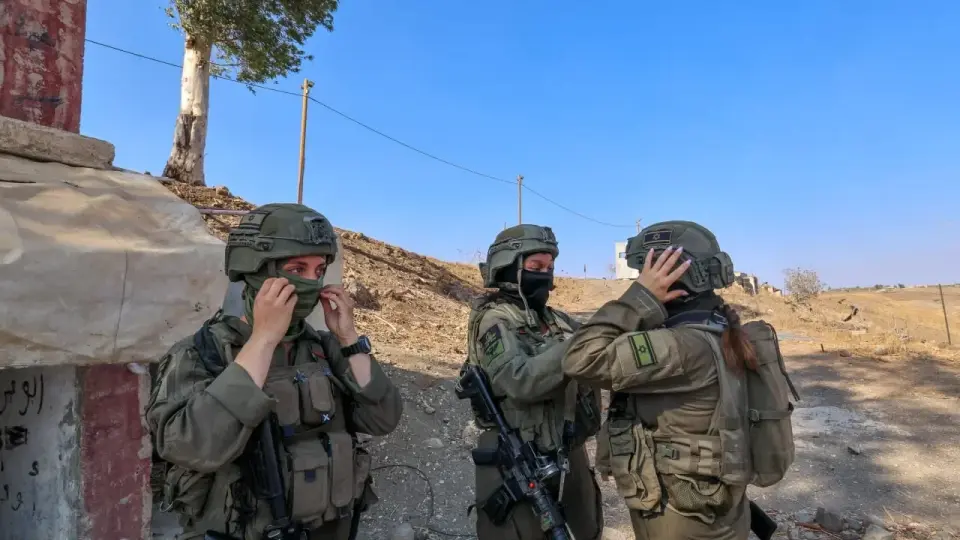
Seven soldiers from the Givati Brigade’s Rotem Battalion were sentenced to military prison after refusing to board an armored personnel carrier with a female paramedic during a drill. The incident, which occurred on Wednesday, led to the cancellation of the operational activity. The court-martial, held on Sunday, resulted in 10-day sentences for four primary refusers and 5-day sentences for three others who aided them. This disciplinary action follows a June announcement by hesder yeshivas to halt enlistment due to a new pilot program for female soldiers in the Armored Corps. The IDF maintains that while religious soldiers are entitled to gender-segregated frameworks, they must still carry out operational duties, and the refusal constituted a breach of command orders.
Key points
- Four soldiers received 10-day prison sentences, and three others received 5-day sentences for refusing to board an APC with a female medic.
- The refusal occurred during an overnight operational drill for the Rotem Battalion, causing the activity to be canceled.
- The incident is linked to a June dispute where hesder yeshivas stopped sending students for enlistment after the IDF announced a pilot program for female Armored Corps soldiers.
- IDF sources confirmed the court-martial process but expressed displeasure that details were published before verdicts were finalized.
- The military emphasized that the pilot program is a preliminary examination, not a full commitment to integration, and that religious soldiers are entitled to segregated frameworks except in exceptional cases.
Background
This incident occurs amid ongoing tensions regarding the integration of women into combat roles and the draft policies for ultra-Orthodox communities. In late August, the Shas party faced legal challenges over election ads depicting IDF service, highlighting broader societal debates about religious enlistment and military integration. The current case underscores the friction between maintaining religious observance within the IDF and the military’s push for broader inclusion in combat units.
How outlets are covering it
The Jerusalem Post and N12 News reported on the specific sentencing details, with N12 providing the breakdown of prison terms for the seven soldiers. The Jerusalem Post highlighted the IDF’s official stance that the refusal was a breach of operational orders, despite the allowance for gender-segregated frameworks. VINnews focused on the immediate consequence of the jail sentences, framing the story as a direct result of the refusal to serve alongside a female medic. While all outlets agree on the facts of the court-martial, the Jerusalem Post and IDF sources emphasized the procedural and disciplinary nature of the response, whereas the broader context provided by the June yeshiva announcement suggests a deeper ideological conflict regarding the pilot program for female soldiers in the Armored Corps.
Why it matters
The case highlights the operational and legal challenges the IDF faces in balancing religious exemptions with the integration of women into combat roles. The refusal to carry out a drill not only canceled the activity but also resulted in significant disciplinary action, signaling the military's firm stance on compliance with orders. This incident may influence future policies regarding the pilot program for female soldiers in the Armored Corps and could impact enlistment rates among religious communities, potentially affecting the IDF's manpower and readiness.
What to watch
The IDF is expected to continue monitoring the pilot program for female soldiers in the Armored Corps, with potential adjustments based on the outcomes of this and similar incidents. The military may also review its policies on gender-segregated frameworks for religious soldiers to ensure they align with operational requirements. Additionally, the hesder yeshivas may reconsider their stance on enlistment if the IDF provides further assurances regarding the integration process. The case may also lead to broader discussions within the IDF and Israeli society about the balance between religious observance and military integration.
- IDF soldiers who refused to board APC with female medic face court-martial The Jerusalem Post
- 16 Givati soldiers sent to prison for refusing to enter APC with female paramedic The Times of Israel
- Givati soldiers who refused mission over female paramedic sent to military prison Ynetnews
- Tensions rise in Givati unit after religious soldiers refuse mission involving female medic Yahoo
- Three Israeli Soldiers Jailed After Refusing To Serve Alongside Female Medic VINnews
Want the full story? Read the original reporting
Read on The Jerusalem Post