
RAF to Install Anti-Drone Netting at UK Bases Amid Security Threats
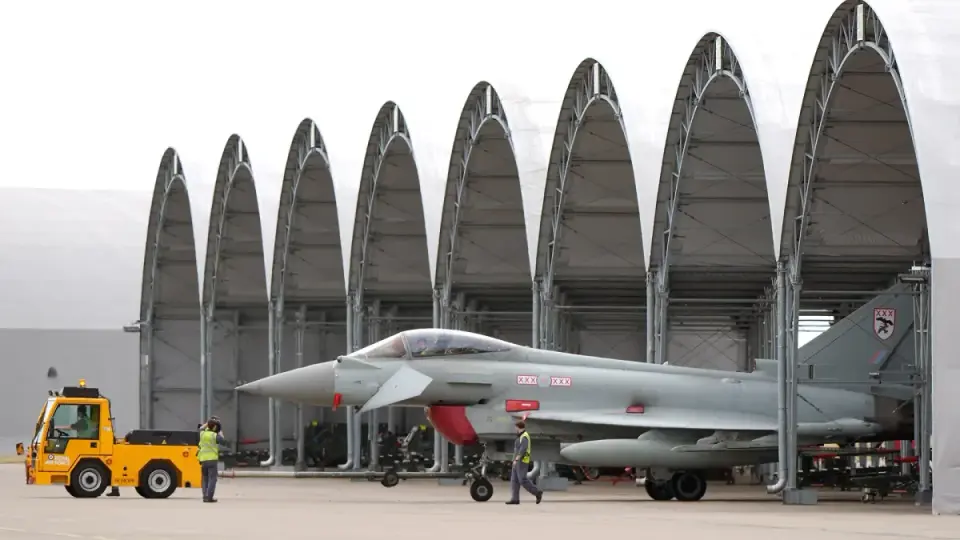
The Royal Air Force is reportedly installing Kevlar anti-drone netting at UK bases to protect aircraft that cannot be moved into hardened shelters, a move driven by rising threats from Iran and Russia. While the Ministry of Defence confirmed increased security spending, it did not explicitly confirm the netting reports, and experts debate whether passive measures or more hardened shelters are the priority.
Key points
- The RAF is setting up protective netting for planes that remain outside on runways, as hangars and hardened shelters are insufficient for all aircraft, according to The Times and Sky News.
- The British Ministry of Defence confirmed an additional £470 million investment in base security, including physical protection and counter-drone capabilities, but did not explicitly confirm the netting reports.
- Retired Air Marshal Greg Bagwell noted that while smaller fighter jets have always been sheltered at night, larger aircraft lack sufficient hangar space, necessitating new measures.
- Air Chief Marshal Sir Harv Smyth stated that the RAF has been dispersing aircraft across the UK to avoid concentration, a practice he said needs to be expanded.
- The measures follow recent security incidents, including a suspected Iran-backed plot at RAF Fairford and a drone incursion at RAF Lakenheath in November.
Background
This development follows a series of security incidents at UK bases hosting US aircraft. In September, a suspected Iran-backed plot at RAF Fairford led to the withdrawal of B-1 bombers. In November, the US Air Force relocated 13 aircraft, including KC-135 tankers and Ospreys, from RAF Mildenhall amid reported Iran-linked threats. The US Air Force has also begun exploring netting installations at domestic bases like Tyndall AFB in response to similar concerns.
How outlets are covering it
The Times and Sky News reported the specific installation of Kevlar nets, while The Telegraph framed it as a planning phase. The MoD offered a general statement on adapting to threats without confirming the netting details. RUSI analyst Justin Bronk called the move a 'logical response' but argued that hardened shelters are more effective and cost-efficient than nets. Lib Dem MP Mike Martin welcomed the measures but warned that dispersing jets without sufficient shelters leaves them vulnerable. US Air Force officials declined to comment on similar measures at their UK bases, citing operational security.
Why it matters
The shift toward passive defenses like netting highlights the vulnerability of large aircraft to low-cost drone threats, a concern amplified by recent attacks in Ukraine and the Middle East. It signals a strategic pivot in UK defense posture to protect critical assets against asymmetric threats from state and non-state actors.
What to watch
The RAF is expected to continue dispersing aircraft across the UK and may rehearse rapid dispersal operations. The MoD is investing in counter-drone technology and restricted airspace. The US Air Force is evaluating similar passive defenses at its bases, though no immediate changes have been confirmed. Ongoing investigations into the RAF Fairford and Lakenheath incidents may lead to further security adjustments.
- Drone Threats Prompt RAF To Install Netting At Bases To Protect Aircraft: Reports TWZ
- RAF 'moving aircraft to hangars at night to protect them from drone threats' Sky News
- UK military ‘moving aircraft to hangars in case of drone attacks’ Al Jazeera
- Britain will park warplanes in hangars to protect against drone threats The Washington Post
- RAF planning anti-drone nets at British bases The Telegraph
Want the full story? Read the original reporting
Read on TWZ