
Seabird Audio Loggers Reveal Scale of Untracked Fishing Vessels
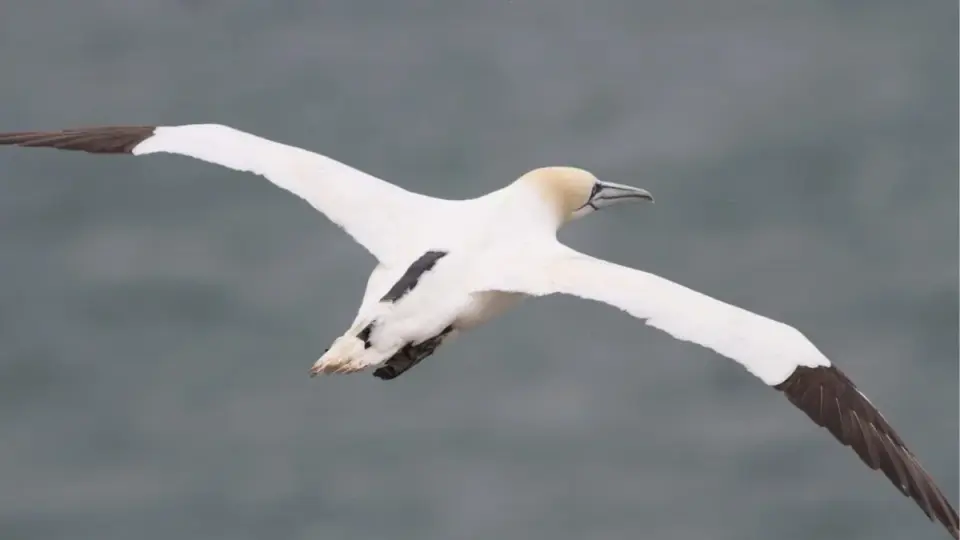
A new study published in Science Advances demonstrates that seabirds equipped with audio recorders can detect commercial vessels that do not broadcast their locations via the Automatic Identification System (AIS). Researchers found that a significant portion of vessel activity, particularly from fishing fleets, remains invisible to standard tracking systems, with some birds spending over 30% of their time near untracked ships.
Key points
- Approximately 75% of industrial fishing vessels and 25% of transport/energy vessels globally do not broadcast their locations via AIS, creating significant gaps in marine conservation data.
- Researchers attached lightweight audio recorders and GPS trackers to northern gannets, Balearic shearwaters, and Westland petrels to detect the low-frequency humming sounds of ship engines.
- Northern gannets spent an average of 68 minutes daily near ships, with at least 22 minutes spent near vessels not detected by AIS, suggesting at least 32% of detected vessel sounds came from untracked ships.
- The true proportion of untracked vessels may be closer to 57%, as some vessels may deliberately disable AIS transponders or suffer from poor satellite reception.
- The study highlights that conventional methods for mapping animal-vessel interactions are incomplete, as they rely heavily on AIS data that misses a substantial portion of maritime activity.
Background
Previous research, including a 2024 study by Global Fishing Watch, confirmed that a large majority of global fishing activity is invisible to public AIS tracking, with Asia dominating untracked activity and North America having low tracking rates. This new study builds on that by providing a biological method to detect these 'dark fleet' vessels, addressing the gap in data that hampers marine conservation efforts.
Why it matters
Untracked vessels pose significant risks to marine wildlife, including seabirds that are often killed in fishing gear. By identifying vessels that evade public tracking, this research provides a more accurate picture of the 'footprint of risk' for marine species, enabling better conservation strategies and enforcement of maritime regulations.
What to watch
Researchers are developing additional methods to track unseen fishing vessels by analyzing seabird behaviors, such as when a bird is following a ship. This approach aims to further refine the understanding of the risks seabirds face from both tracked and untracked fishing activity.
Want the full story? Read the original reporting
Read on Gizmodo