
Eisenkot Seeks Coalition as Netanyahu Pushes for Iran Strikes
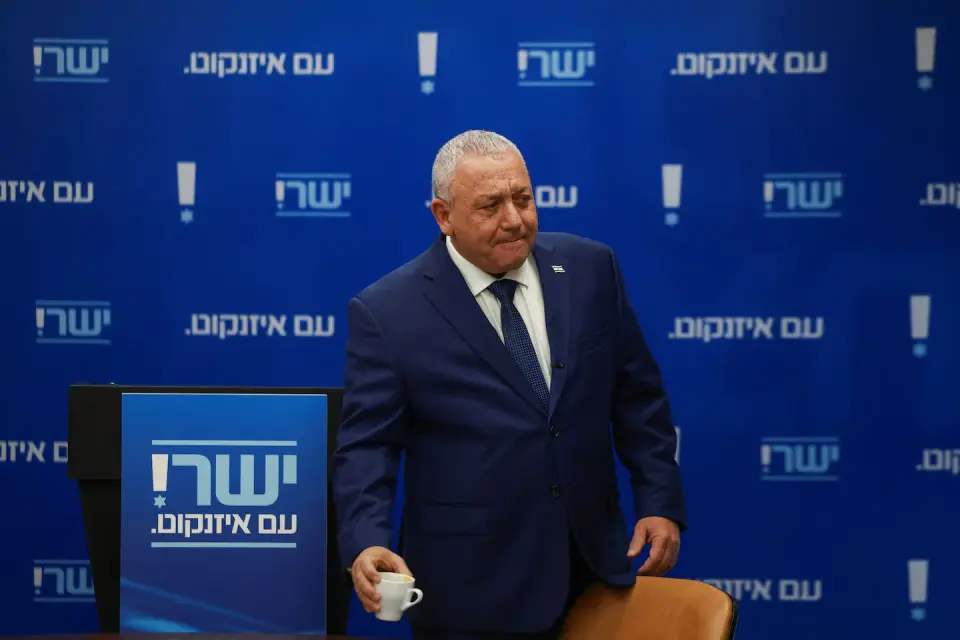
Israeli opposition leader Gadi Eisenkot is exploring multiple coalition paths to replace Benjamin Netanyahu before a December 6 deadline, while Netanyahu advocates for renewed military strikes against Iran. Critics argue the push for war is politically motivated to derail Eisenkot’s government formation, though intelligence officials dispute the urgency of an immediate attack.
Key points
- Eisenkot’s Yashar party holds 48 seats, 13 short of a majority, but can rely on 19 seats from Arab parties to reach the 61-seat threshold.
- Netanyahu’s Likud party has 46 seats, and the ultra-Orthodox United Torah Judaism (UTJ) could support either side, making their stance decisive.
- Netanyahu claims Iran is developing chemical weapons, urging preemptive strikes, while Eisenkot and military chief Eyal Zamir see no immediate threat.
- Mossad chief Roman Gofman supports swift action, but some military officials believe there is time to wait until after the government is formed.
- Iran denies developing chemical weapons, comparing the claims to the false pretexts for the 2003 US invasion of Iraq.
Background
Eisenkot was tasked with forming a government after securing recommendations from a majority of parties, including Arab lists, in early November. The 2026 Iran war began in February with joint US-Israeli strikes, resulting in significant casualties and infrastructure damage. Netanyahu has faced corruption charges and allegations of prolonging the Gaza conflict for political gain.
How outlets are covering it
Al Jazeera and The New York Times emphasize that Netanyahu’s push for war may be driven by political survival, noting that a conflict could rally support and derail coalition talks. The Washington Post highlights Eisenkot’s strategic options, including alliances with religious or Arab parties. Ynetnews focuses on the military dilemma, noting that while Mossad chief Gofman favors swift action, other officials believe there is time, and Iran retains over 1,700 ballistic missiles.
Why it matters
The outcome of coalition talks and the decision on Iran strikes could reshape Israel’s political landscape and regional security. A new government under Eisenkot may alter Israel’s approach to Iran and the Middle East, while a renewed conflict could escalate regional tensions and impact US-Iran relations.
What to watch
Eisenkot must form a government by December 6, or the mandate may pass to Netanyahu. Netanyahu continues to lobby the US for joint strikes, while intelligence officials assess the urgency of Iran’s chemical weapons program. The US remains undecided, with Trump keeping military action on the table while pursuing diplomatic options.
- Eisenkot, pushing to oust Netanyahu, sharpens warnings over new Iran strikes The Washington Post
- Can Netanyahu Order A Strike On Iran Before Eisenkot Forms A Government? - Analysis i24NEWS
- Could Netanyahu take Israel into another war with Iran to cling to power? Al Jazeera
- Netanyahu Wants to Attack Iran. Does That Serve Israel or Him? The New York Times
- Days, weeks or months? Iran's chemical weapons threat and Israel's dilemma over when to strike Ynetnews
Want the full story? Read the original reporting
Read on The Washington Post