
NATO Trainers Confront Wartime Speed Gap at Polish Camp Jomsborg
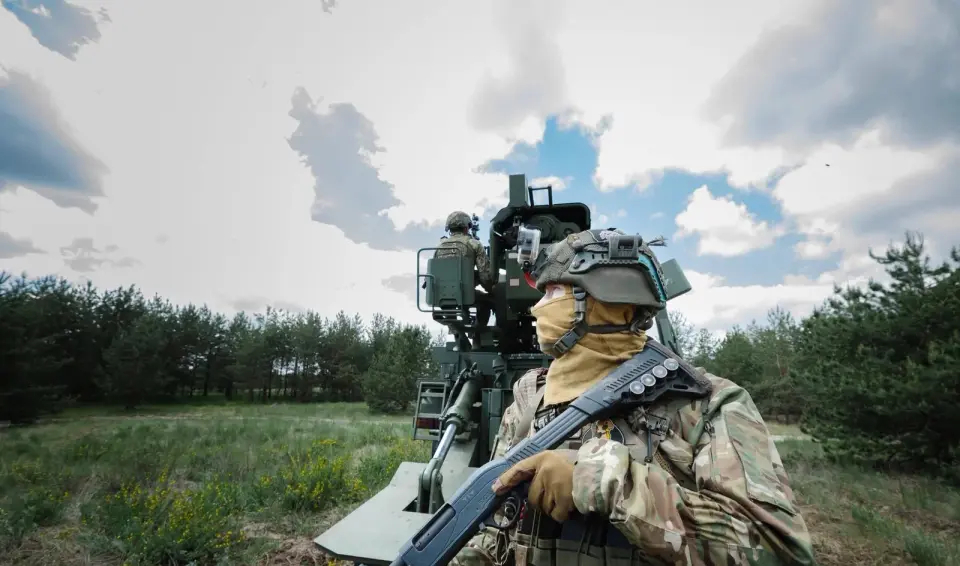
Norway-led Operation Legio at Camp Jomsborg in Poland reveals a stark speed gap between Ukrainian wartime adaptation and Western peacetime bureaucracy. While Ukrainian engineers update drone software every two days, NATO processes take six months. This disparity is forcing NATO to rethink procurement and training, with leaders calling for legislative reforms to match the pace of modern conflict.
Key points
- Ukrainian engineers near the front update drone software every two days, whereas Western systems require six months for similar updates.
- Camp Jomsborg, built in a Polish forest in months, serves as a hub for Operation Legio, where NATO trainers learn from Ukrainian battlefield experience.
- NATO Secretary General Mark Rutte has called for a 'transatlantic defense industrial revolution' to cut red tape and accelerate procurement.
- An Estonian war game demonstrated the threat of drone warfare, where a ten-person Ukrainian team defeated two NATO battalions in a day.
- Western leaders acknowledge that peacetime regulations and long planning horizons hinder the rapid adaptation required in modern warfare.
Background
Previous coverage noted that Camp Jomsborg focuses on tactics and drone integration rather than piloting, with Ukrainian instructors co-leading the curriculum. Earlier reports also highlighted how Western drones, like the Welsh-built AR3, are being tested in Ukraine to create a rapid feedback loop for upgrades. Additionally, EU leaders have recently pushed for a European Security Council and rapid-response toolkits to address defense gaps amid transatlantic strains.
How outlets are covering it
Business Insider and Euromaidan Press emphasize the operational tempo gap, citing Brigadier General Atle Molde’s comparison of six-month Western updates versus two-day Ukrainian ones. They highlight the frustration of NATO trainers with peacetime bureaucracy. Mezha adds a broader strategic perspective, noting that cheap drones are rendering traditional assets like tanks obsolete and that NATO exercises often fail to account for low-observable drone threats. It also points to Europe’s push for independent air defense systems like the Franco-Italian SAMP/T-NG to reduce reliance on US-made Patriot systems. Devdiscourse provides minimal specific detail in the provided text, but the consensus across sources is that NATO must fundamentally restructure its procurement and innovation processes to survive future conflicts.
Why it matters
The inability of NATO to match Ukrainian adaptation speeds poses a significant risk for future conflicts. If Western militaries cannot rapidly update technology and tactics, they may face obsolescence against agile adversaries. This gap is driving urgent calls for legislative and industrial reforms across the alliance to ensure readiness for a new type of warfare.
What to watch
NATO is expected to continue pushing for legislative changes to reduce procurement red tape. The alliance may accelerate the development of European air defense systems like Freya and SAMP/T-NG. Operation Legio will likely continue to serve as a primary channel for transferring Ukrainian battlefield lessons to Western forces, with further war games testing these new approaches.
- At camp Norway built in Polish forest, NATO trainers admit Ukraine's army now moves faster than their own Euromaidan Press
- NATO trainers say Ukraine's rapid wartime pace is spotlighting just how slowly the West moves in peacetime businessinsider.com
- Ukraine’s War Exposes NATO’s Struggle to Adapt to Drone Warfare Межа. Новини України.
- NATO's Evolving Battlefront: Lessons from Ukraine Devdiscourse
- NATO Acknowledges Ukraine's Advantages in Certain Aspects of the War — Business Insider UA.NEWS
Want the full story? Read the original reporting
Read on Euromaidan Press