
UK Reveals Active Satellite Defense Unit Amid Rising Space Threats
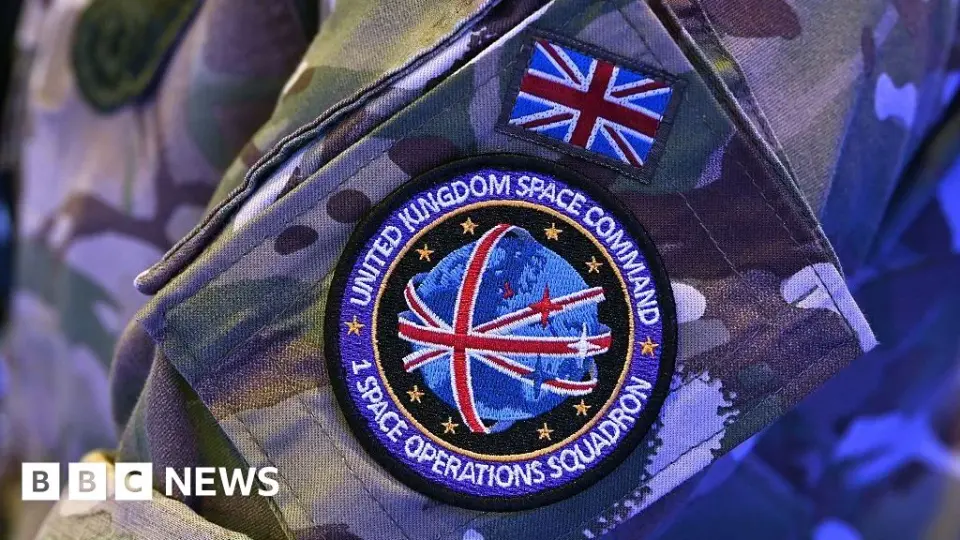
The UK has established a new Royal Air Force unit, No III Space Effects Squadron, to actively defend British satellites using electronic warfare. This move follows reports that the UK has already jammed foreign satellites to protect its own assets, including nuclear submarine tracking. Defence Secretary Wes Streeting warned that losing satellite access could cost the UK economy £1.4bn daily, while Air Chief Marshal Sir Harv Smyth described space as a domain of direct military competition. The announcement coincides with US confirmation of deploying space weapons and ongoing concerns about Russian jamming activities.
Key points
- The UK Ministry of Defence has launched No III Space Effects Squadron, a new RAF unit dedicated to disrupting, degrading, and denying hostile threats in space.
- The BBC reported that the UK military has been using a ground-based system for the past year to jam or block satellites from other nations to deter adversaries.
- Defence Secretary Wes Streeting stated that the loss of GPS and satellite services would cost the UK economy £1.4bn per day, affecting banking, mobile phones, and emergency services.
- Air Chief Marshal Sir Harv Smyth emphasized that space is now a domain of direct competition, not just a support role, and warned of increasing irresponsible actions from adversaries.
- The new squadron will protect satellites used for missile warning, communications, and navigation, building on existing monitoring units like No I and No II Space Squadrons.
- The UK has formally ruled out destructive anti-satellite missile testing but is developing electronic warfare capabilities to counter threats.
Background
This development follows the UK's release of a government strategy to strengthen space defences and aligns with broader global trends in space militarization. The US established its Space Force in 2019, and recent confirmations of weapon deployment in orbit have heightened international tensions. The UK's new squadron is part of a shift from passive monitoring to active defense in space, reflecting growing concerns about the vulnerability of critical infrastructure to satellite disruption.
How outlets are covering it
The BBC highlighted the offensive nature of the UK's existing jamming capabilities, noting that the system has been used to deter adversaries and protect sensitive operations like nuclear submarine tracking. The Guardian focused on the defensive and strategic framing, with Defence Secretary Wes Streeting drawing historical parallels to naval and air power, emphasizing the need to 'keep pace in the new space race.' Both sources agreed on the creation of No III Space Effects Squadron but differed in emphasis: the BBC stressed the active jamming of foreign satellites, while the Guardian highlighted the squadron's role in protecting everyday services and the UK's commitment to responsible space behavior through the UN. The Telegraph was inaccessible due to a security block, so no perspective could be extracted from that source.
Why it matters
The establishment of an active space defense unit signals a shift in UK military strategy toward proactive protection of critical infrastructure. As satellites become essential for economic stability, national security, and daily life, the ability to defend them from electronic warfare is crucial. This move also reflects the growing militarization of space, with multiple nations developing capabilities to disrupt or destroy satellites, raising concerns about an arms race in orbit. The UK's approach, focusing on electronic warfare rather than destructive weapons, aims to balance defense with international norms, but the broader geopolitical implications remain significant.
What to watch
The UK is expected to expand the capabilities of No III Space Effects Squadron as new technologies enter service. The government will continue to work through the UN committee on the peaceful uses of outer space to promote responsible behavior in space. International reactions to the US deployment of space weapons and the UK's new squadron will likely influence future diplomatic and military strategies. The UK may also increase collaboration with the US Space Force to enhance its satellite defense capabilities.
- UK military jamming other nation's satellites to defend itself, BBC told BBC
- RAF secretly deployed satellite jammer to foil enemy spies The Telegraph
- UK to launch military squadron to protect satellites in space The Guardian
- UK space squadron to guard against 'unprecedented threats' against satellites Sky News
- RAF creates space squadron to protect life on earth The Times
Want the full story? Read the original reporting
Read on BBC