
UK unveils 10-nation drone and warship pact to counter rising Russian naval activity
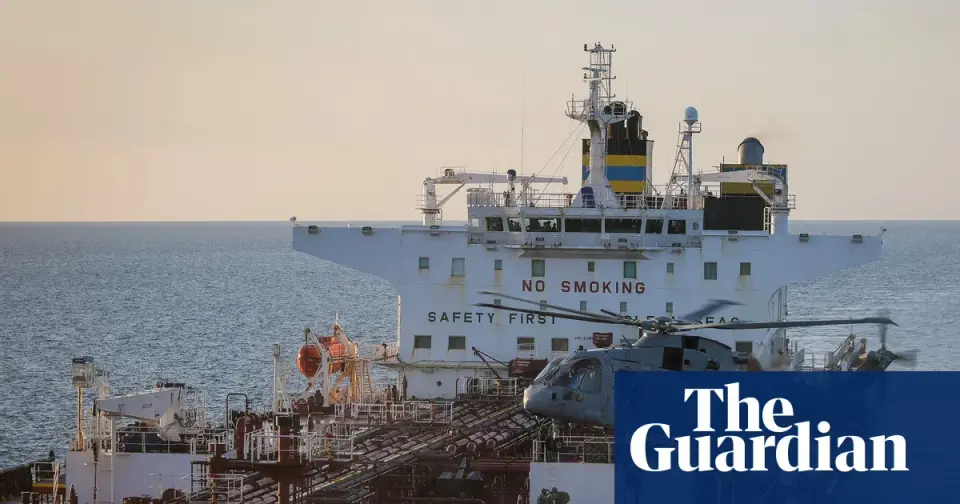
The UK has launched a new maritime defense framework with nine allies to counter a 41% rise in Russian naval activity around British waters. The initiative, dubbed the 'beer-drinking nations' alliance, integrates autonomous sea drones with warships to offset a projected drop in UK frigate numbers. London is investing £1.5 billion in sea drones and £90 million in underwater sensors to monitor the North Atlantic and protect critical infrastructure. The plan aims to create a unified surveillance network, allowing allied vessels to share command and control, while addressing concerns over Russian spy ships mapping undersea cables.
Key points
- UK defence minister Luke Pollard cited a 41% increase in Russian naval activity in the first nine months of 2026 as justification for the new initiative.
- The Northern Navies Initiative involves the UK and nine Joint Expeditionary Force nations, including Denmark, Norway, and the Netherlands, to create a unified maritime force.
- The plan allows autonomous drones from one nation to be transferred to warships of another, enhancing interoperability and lethality.
- The UK is investing £1.5 billion in sea drones over four years and £90 million in underwater sensors to monitor the Greenland-Iceland-UK gap.
- Russian spy ships, such as the Yantar, have been mapping UK undersea cables and critical infrastructure, prompting defensive measures.
- The Royal Navy’s frigate count is expected to fall from 12 in 2021 to three by 2030, driving the shift toward autonomous systems.
Background
This development follows the formalization of the Joint Expeditionary Force naval pact in November 2026, which moved from memorandums to practical joint operations. UK defence chief Sir Richard Knighton previously described the current period as the 'most dangerous' of his adult life due to escalating Russian threats. The new initiative builds on these efforts, addressing concerns over Russian hybrid aggression against undersea infrastructure, which has been a point of contention since the 2022 Nord Stream pipeline sabotage.
How outlets are covering it
The Guardian and Al Jazeera emphasize the defensive nature of the initiative, highlighting the 41% rise in Russian activity and the need to protect critical infrastructure. They note the political blame placed on the former Conservative government for capacity shortfalls. Al Jazeera adds that Russia has denied these threats, calling them 'Russophobic' and accusing NATO of fabricating justifications for military expansion. Ocean Infinity focuses on the technological shift, describing Atlantic Net as a fundamental move toward autonomous, uncrewed systems, marking a significant change in how naval capability is delivered. The sources agree on the strategic importance of interoperability but differ in their framing of the threat, with Western outlets stressing the urgency and Russian sources denying the alleged aggression.
Why it matters
The initiative signals a strategic shift in European maritime defense, moving from traditional crewed fleets to integrated autonomous systems. It addresses a critical gap in UK naval capacity and strengthens deterrence in the North Atlantic. The move also reflects broader tensions between Russia and NATO, with Moscow denying the alleged threats while Western nations escalate defensive measures. The success of this model could influence future naval strategies globally, as nations seek to balance cost and capability in an era of hybrid warfare.
What to watch
The UK is expected to continue investing in sea drones and underwater sensors, with the £1.5 billion investment over four years and £90 million for sensors in the high north. The Royal Navy will likely expand its use of autonomous systems, potentially reducing reliance on traditional warships. Further joint exercises and interoperability tests with the nine allied nations are anticipated to test the new framework. Russia may respond with increased diplomatic pushback or further naval activity, though it has denied the alleged threats. The outcome of the Atlantic Net programme will be a key indicator of the effectiveness of the new model.
- Russian naval aggression prompts new defensive initiative with ‘beer-drinking nations’ The Guardian
- U.K. to Develop North Atlantic Network of Drones, AI Systems to Find Russian Subs USNI News
- What is northern Europe’s new drone and warship plan to counter Russia? Al Jazeera
- UK Launches £90M ‘Atlantic Net’ Project to Protect Undersea Cables and Hunt Submarines Naval News
- Ocean Infinity selected as Commercial Mission Partner for Royal Navy Atlantic Net programme Ocean Infinity
Want the full story? Read the original reporting
Read on The Guardian