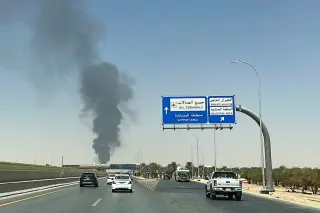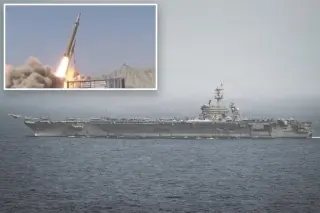
Iranian missile and drone attacks in the Middle East inflicted more extensive damage on U.S. intelligence posts and surveillance equipment than any prior incident, with repair costs running into billions, according to four people familiar with the matter.
British PM Andy Burnham vowed to declassify missile-related information and have MBDA share details on UK-made SCALP components to help Ukraine assemble long-range missiles. Zelenskyy urged allies to bolster air defence and cover a 2026 defence funding gap of 27 billion euros, while the Coalition of the Willing—co-chaired by Burnham with Macron, Meloni and Costa—pushed to increase military support and sanctions as Russia renewed strikes on Chernihiv and Odesa ahead of winter.
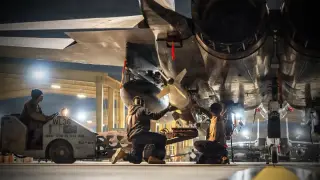
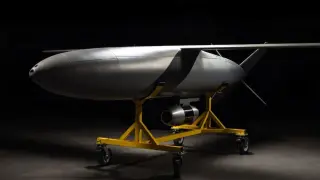
Britain says it will share classified missile technology with Ukraine to bolster Kyiv’s ability to strike targets behind the front lines, including the use of long-range ground-launched weapons like the SCALP missile with a 225-kilogram warhead. The move builds on prior UK missile support (including Storm Shadow in 2023) and is part of broader collaboration with defense firms to develop systems surpassing 500 kilometers in range. Moscow condemned the move, while analysts say such capabilities would complement Ukraine’s drone power and firepower.
A Kremlin adviser warned on BBC Newsnight that UK drone factories could be attacked by 'unknown sources' in retaliation for Britain sharing drone-component blueprints with Ukraine, describing a potential 'semi-military' response. The comments come as UK Prime Minister Burnham plans to push the US and European partners for more Ukrainian defence support, including Patriot missiles, amid ongoing Russian strikes.
The United Kingdom plans to share blueprints and top-secret production knowledge for the Storm Shadow/SCALP cruise missile with Ukraine, enabling Kyiv to manufacture its own long-range missiles to strike deep into Russia. France is involved, and the move follows U.S. hesitancy to transfer Patriot interceptors. Analysts say production could be set up by year’s end, but scaling to frequent use will take years and hinges on complex supply chains, security at production sites, and potential U.S. approvals for shared tech.
The UK will hand over blueprints for Storm Shadow/SCALP missiles to Ukraine, signaling support but likely not a quick game changer due to cost and fragile supply chains; even with blueprints, local production could take months or years. Britain is pursuing Project Brakestop to field a cheaper, domestically produced long‑range missile by year’s end, while Ukraine continues rapid drone development and domestic arms production (about 70% of weapons) but still faces shortages, especially Patriot interceptors to counter ballistic missiles. The move signals a shift toward self‑sustaining defense, but real impact hinges on scalable production and faster delivery.
French President Macron said France will deliver interceptor missiles to Ukraine as part of an expanded air-defense package, following talks with Zelensky and in line with Anti-Missile Coalition commitments; he urged other nations to join ahead of the Coalition of the Willing meeting, with discussions also covering Patriot systems, domestic missile production licenses, and 2026–27 defense financing.
The European Union approved a €6.1 billion defence envelope for Ukraine as part of its €90 billion loan programme to buy air and missile defence systems, missiles, ammunition and radars from European firms as Russia intensifies attacks, ahead of winter and a Coalition of the Willing meeting in Kyiv.
Russia condemned Britain’s decision to share classified information about UK-made SCALP long-range missile components with Ukraine, calling it direct involvement in the conflict and a barrier to peace talks, while London says the support will continue; Prime Minister Andy Burnham visited Kyiv as MBDA was authorised to share tech to help Ukraine potentially produce its own missiles, a move Moscow warned could fuel the war and target missile production sites amid ongoing long‑range strikes between Russia and Ukraine.
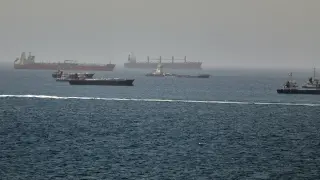
The United Arab Emirates said it would suspend all trade and financial transactions with Iran until further notice after accusing Tehran of firing ballistic missiles toward the UAE. Reported missile strikes triggered nationwide warnings and evacuations, though Iran denies the attacks. The move compounds Iran’s economic isolation amid sanctions and underscores the UAE’s role as a regional trade hub, with analysts warning the embargo could harm both economies and regional stability in the Gulf.
Kyiv endures intensified Russian missile attacks, forcing residents into metro shelters after overnight strikes that killed 16 and damaged homes, while officials warn of an ongoing threat and looming winter hardships in a city increasingly cut off from normal life.
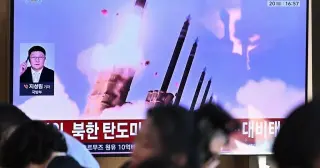
Defense expert Serhii Zghurets says North Korea’s KN-30 claims of a 900-km range and a 2.5-ton warhead cannot both be true due to basic physics, meaning the advertised specs may be exaggerated or impossible. Regardless of the exact capabilities, the discussion of around 150 missiles potentially flowing to Russia would still augment Moscow’s arsenal and contribute to terrorizing Ukrainian cities through imprecise strikes.
Berlin plans almost €12 billion to field a four‑part long‑range weapons buildup intended to deter Russia, including a mass‑produced low‑cost cruise missile for fielding by 2027, U.S.-made Tomahawks to be stationed in Germany by the end of the decade, and European hypersonic/other high‑end missiles developed with the U.K.; the plan also features Typhon‑Tomahawk capability and contracts aimed at mass production, with funding pending Bundestag approval. It seeks to hit targets deep behind the front and sustain conventional deterrence below nuclear threshold, reflecting Ukraine lessons and marking a shift toward multiple missile types rather than a single European system.
A day after a Russian strike killed at least 16 at Kryvyi Rih’s shopping mall, Russian drone and missile strikes across Ukraine killed seven, while Ukraine’s drones hit Russia’s Krasnodar region killing three; Kyiv and other areas also reported casualties as cross-border attacks continue amid the ongoing war.
Russia is reportedly building toward a single salvo of up to 200 missiles to overwhelm Ukraine’s air defenses, following a record July and a Kyiv strike that killed at least 15. Ukraine’s interceptor stockpiles—dominated by Patriot/THAAD—are stretched thin, with no quick replacements. The U.S. and allies are pursuing Patriot co-production and Europe’s Freyja program, but deliveries remain years away, leaving Kyiv reliant on existing stockpiles and international support for a potential winter defense.