
Pentagon Watchdog Report Quantifies Iran War’s $33.4B Cost and Munitions Shortfall
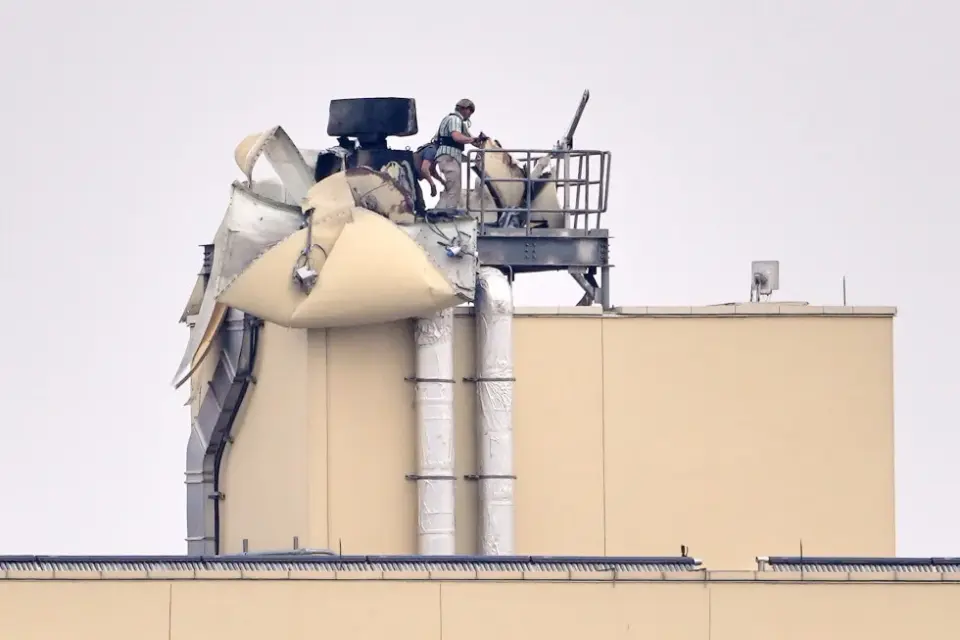
The Pentagon’s inspector general released its first formal report on the Iran conflict, detailing a $33.4 billion cost, significant munitions depletion, and extensive damage to US bases and diplomatic facilities across the Middle East.
Key points
- The report covers the period from February 28 to June 30, 2026, estimating total war costs at $33.4 billion, excluding facility repairs.
- US munitions stockpiles were significantly depleted, with $22.3 billion spent on expended weapons, including Patriot interceptors and Tomahawks.
- Iranian strikes damaged or destroyed hundreds of buildings at US bases in eight countries, including Bahrain, Kuwait, and Saudi Arabia.
- The destruction of the Navy’s regional hub in Bahrain forced a shift to Diego Garcia for logistics, extending resupply cycles to 14-18 days.
- The State Department reported $184 million in damage to diplomatic facilities, with over 3,500 personnel evacuated from the region.
Background
This report follows months of internal warnings and public disputes regarding US weapons readiness. In August 2026, the Pentagon urged industry to accelerate production after reports of dangerously low stockpiles for THAAD and Patriot missiles. President Trump had previously dismissed these concerns, claiming production levels were at record highs, while independent experts warned that replenishing inventories could take years, potentially impacting deterrence against other adversaries like China.
How outlets are covering it
AP News and NBC News highlight the financial and logistical toll, noting the $33.4 billion cost and the displacement of over 20,000 personnel. CNN emphasizes the strategic shift in US military operations, such as the withdrawal of medical evacuation helicopters and the reliance on ground transport. CBS News focuses on the industrial bottleneck, noting that Lockheed Martin produces only 750 Patriot missiles annually, far below the estimated 1,500 fired, and that replenishment could take one to five years. While the Pentagon denies shortages, the inspector general’s report confirms 'bottlenecks' in supply chains, contrasting with the administration's public stance.
Why it matters
The report reveals a critical vulnerability in US defense capabilities, exposing the limits of current production rates and supply chains. It underscores the long-term strategic risks of relying on a limited arsenal for protracted conflicts, potentially affecting deterrence in other regions like the Pacific. The financial and logistical strain also highlights the broader impact on US allies and the global balance of power.
What to watch
The Defense Department is working to streamline procurement and increase production, with Lockheed Martin aiming to boost Patriot output to 2,000 per year. The Pentagon is also exploring low-cost alternatives, such as CoAspire’s cruise missiles, to address shortages. Diplomatic efforts to end the war continue, with Trump suggesting a potential end after the November midterm elections.
- US watchdog tallies Iran war’s hit to weapons stockpiles, military bases and more AP News
- Missile shortages, damage to US facilities: Pentagon watchdog issues first review of Iran war CNN
- Missile crisis: The hard truths about America's military arsenal CBS News
- Pentagon watchdog says Iran war has led to munitions shortfall NBC News
- Iran strikes on US diplomatic facilities in 4 Gulf countries cost $184M: IG report The Hill
Want the full story? Read the original reporting
Read on AP News