
Peru Severs Ties with Iran Over Hormuz Blockade and Nuclear Obstruction
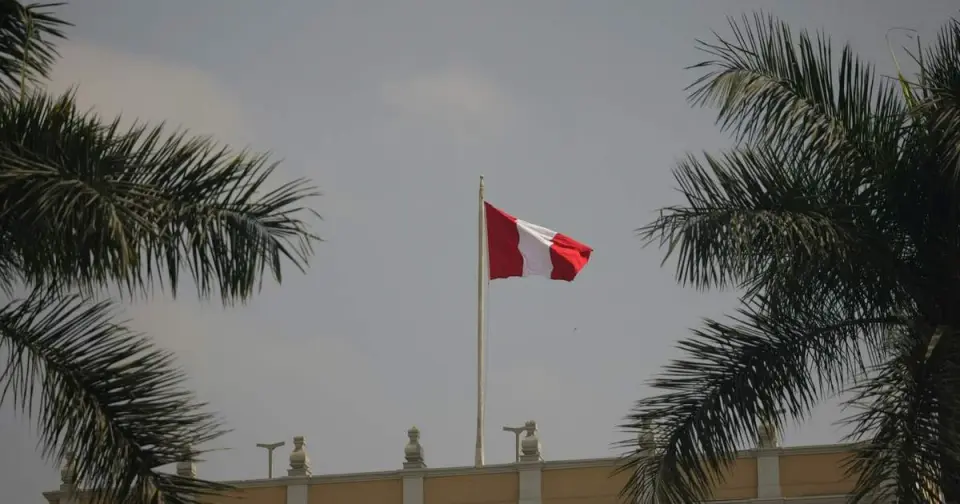
Peru has severed diplomatic ties with Iran, citing Tehran’s escalation of Middle East conflicts, obstruction of nuclear inspections, and restrictions on shipping through the Strait of Hormuz. Lima maintains consular relations to protect citizens while accusing Iran of violating international law and democratic norms.
Key points
- Peru’s Foreign Ministry announced the severance of diplomatic relations with Iran on Tuesday, September 1, 2026.
- Lima cited Iran’s repression of protests, discrimination against women, and persecution of political opponents as primary human rights concerns.
- The decision highlights Iran’s disruption of international trade and energy markets via the Strait of Hormuz since March 2026.
- Peru accused Tehran of obstructing International Atomic Energy Agency (IAEA) inspections, hindering verification of nuclear non-proliferation.
- Consular relations will remain intact to protect nationals, with the decision communicated via Iran’s embassy in Ecuador.
Background
This diplomatic rupture occurs amid a broader regional crisis. In late August and early September 2026, the United States and Iran engaged in direct military exchanges, including US strikes on IRGC positions and Iranian retaliatory attacks on US bases in Jordan, Kuwait, and Bahrain. Previously, the UAE suspended trade ties with Iran in August 2026 following missile incidents, signaling a widening isolation of Tehran in the Gulf and beyond. The current tensions are part of a larger conflict that has seen significant economic pressure and military escalation since mid-2026.
How outlets are covering it
All three sources (Iran International, Global Times, and Anadolu Agency) confirm the core facts of the diplomatic break and the specific grievances cited by Peru. However, they differ in emphasis. Iran International provides the most detailed account of Peru’s human rights concerns, including specific references to UN mechanisms and the persecution of political opponents. Global Times focuses on the legal and democratic justifications, highlighting Peru’s 'historic pacifist vocation' and the Vienna Convention on Consular Relations. Anadolu Agency contextualizes the move within the immediate military escalation between the US and Iran, framing the diplomatic break as a reaction to the broader instability in the Middle East and the Strait of Hormuz crisis.
Why it matters
Peru’s decision marks a significant diplomatic shift, aligning Latin American policy with Western criticism of Iran’s regional behavior. It underscores the global impact of the Strait of Hormuz blockade on energy markets and supply chains. The move also highlights the international community’s growing concern over Iran’s nuclear program and its obstruction of IAEA inspections, potentially setting a precedent for other nations to follow suit in severing ties with Tehran.
What to watch
Iranian authorities have not yet responded to Peru’s decision. The diplomatic note was sent through Iran’s embassy in Ecuador, which also serves as its mission to Peru. The situation may evolve as other nations consider similar actions in response to Iran’s continued obstruction of nuclear inspections and its role in Middle East conflicts. The ongoing military tensions between the US and Iran could further influence diplomatic relations in the region.
- Peru cuts diplomatic ties, accuses Iran of escalating Middle East war Iran International
- Peru cuts ties with Iran, accusing Tehran of escalating Mideast war timesofisrael.com
- Peru announces break in diplomatic ties with Iran globaltimes.cn
- Peru foreign ministry: ‘Peru severs diplomatic relations with the Islamic Republic of Iran.’ news.cgtn.com
- Peru breaks ties with Iran amid Middle East tensions Anadolu Ajansı
Want the full story? Read the original reporting
Read on Iran International