
Nepal Flood Survivors Face Ongoing Crisis as Rescue Teams Struggle to Reach Isolated Villages
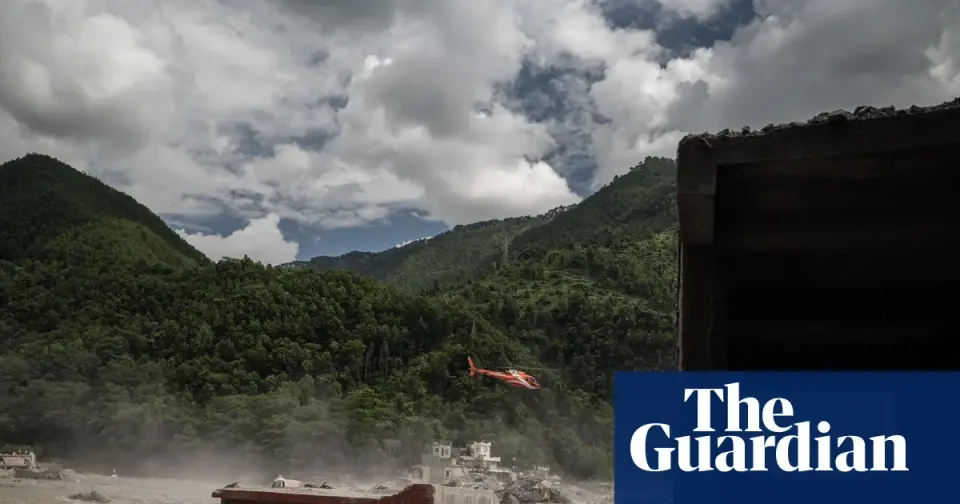
A week after a glacial collapse triggered catastrophic floods in Nepal and Tibet, the death toll exceeds 1,200, with over 5,000 people missing in Nepal and 546 in Tibet. The town of Betrawati is submerged in mud, with only the top floors of some buildings visible, while entire villages like Syabru Besi have been wiped out. Rescue operations are severely hampered by washed-out roads and precarious terrain, forcing reliance on army helicopters to evacuate survivors and retrieve bodies. Many families, including those displaced by the 2015 earthquake, have lost homes and loved ones, with hundreds of children missing from schools. Despite the devastation, some survivors have been rescued, offering small stories of hope amidst the tragedy.
Key points
- The glacial collapse occurred at 8:37 AM, causing flash floods that engulfed Betrawati within minutes, killing over 1,200 people in Nepal and Tibet.
- Over 5,000 people are missing in Nepal, with 546 missing in Tibet, and rescue teams have yet to reach many affected areas.
- Betrawati is submerged in thick mud, with most houses destroyed or flipped, and the river has diverted to a new path, cutting through the former highway.
- Entire villages, such as Syabru Besi, have been wiped out, with at least 500 people missing, and rescue operations are limited to army helicopters due to washed-out roads.
- Many families, including those displaced by the 2015 earthquake, have lost homes and loved ones, with hundreds of children missing from schools.
Background
This disaster follows a series of earlier reports on the glacial collapse that triggered the floods, which initially killed over 1,000 people and left thousands missing. Previous coverage highlighted the overwhelming impact on towns, the strain on morgues, and the challenges faced by rescue teams in reaching isolated areas. The current situation reflects the ongoing humanitarian crisis and the severe damage to infrastructure, with many areas still inaccessible.
Why it matters
The ongoing disaster in Nepal and Tibet highlights the severe impact of glacial collapses and the challenges faced by rescue and relief operations in remote areas. The loss of over 1,200 lives and the missing thousands underscore the need for improved disaster response and infrastructure resilience. The situation also raises concerns about the long-term impact on communities, particularly those already vulnerable due to previous disasters like the 2015 earthquake.
What to watch
Rescue teams will continue to use army helicopters to reach isolated villages and retrieve bodies, while efforts to clear blocked roads and deliver aid to affected areas will be prioritized. The focus will also be on providing support to survivors, including those who have lost family members and homes, and ensuring that missing persons are accounted for. Long-term recovery efforts will likely include rebuilding infrastructure and providing assistance to displaced families.
Want the full story? Read the original reporting
Read on theguardian.com