
UK Budget 2026: Households Report No Room Left to Cut Costs
Chancellor John Healey prepares his first Budget amid reports that UK households have exhausted their ability to cut spending. While the government promises 'breathing space' through measures like capped bus fares and removed gas standing charges, many families describe the cost-of-living crisis as a chronic, long-term issue rather than a temporary crisis. The Office for Budget Responsibility forecasts modest real household income growth of 0.75% annually between 2026 and 2030, a sharp contrast to the 3% average growth seen between 2000 and 2007. Critics argue that current fiscal policies will lead to the largest decline in living standards since the 1960s, while supporters emphasize financial discipline and tax stability.
Key points
- Chancellor John Healey is set to deliver the 2026 Autumn Budget on Wednesday, promising not to raise income tax, National Insurance, or VAT.
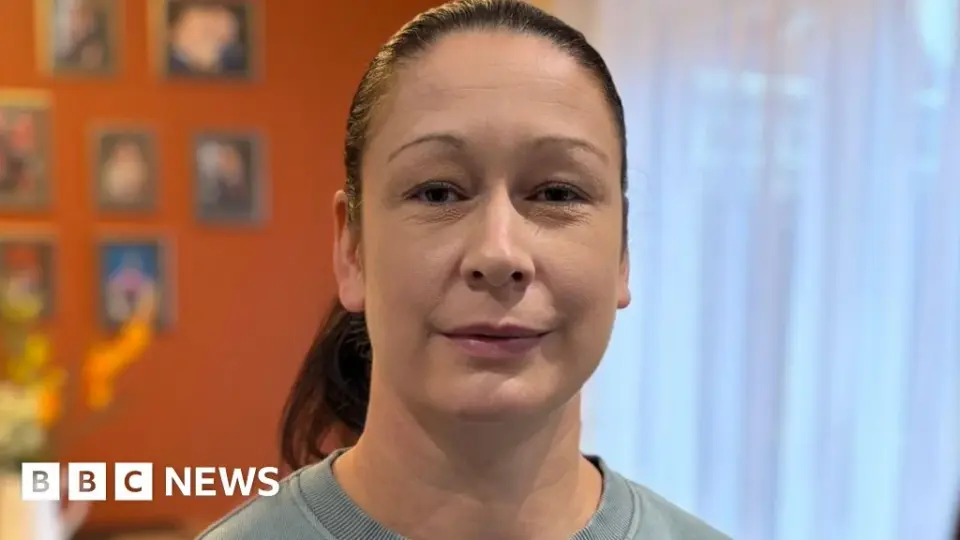
- The BBC reports that households, particularly the 'squeezed middle,' feel they have 'no more fat to trim' after years of cost-of-living pressure.
- An ONS survey from August 2026 found 55% of adults reported increased costs compared to the previous month, down from 79% in April 2026 but still indicating a chronic issue.
- The Office for Budget Responsibility predicts real household disposable income will grow by an average of 0.75% per year from 2026 to 2030.
- The Joseph Rowntree Foundation predicts real household incomes will be £440 to £770 lower in 2029-30 than when Labour took power, potentially the biggest decline since the 1960s.
- Prime Minister Andy Burnham has introduced measures such as a £2 cap on single bus fares in England and the removal of standing charges on gas bills.
Background
The term 'squeezed middle' was popularized by Ed Miliband in 2010 and became the Oxford English Dictionary's expression of the year in 2011, referring to those on low or middle incomes affected by inflation and wage freezes. Recent government actions include a £2 cap on bus fares and plans to remove gas standing charges, aimed at providing 'breathing space' for households. The current economic climate is characterized by chronic cost-of-living pressures, with many families reporting they have already trimmed all non-essential spending.
How outlets are covering it
The BBC highlights the personal financial strain on households, noting that many have already cut all non-essential spending and are facing increased mortgage costs. The Telegraph source was inaccessible due to a security block, so no perspective could be extracted. The Socialist Party, citing the Joseph Rowntree Foundation, argues that Labour's fiscal policies will result in the worst living standards decline since the 1960s and calls for mass working-class mobilization and strikes to counter austerity. The BBC notes that while the government has introduced some cost-saving measures, many citizens feel these are 'sticking plasters over gaping wounds' and that the government is not adequately listening to their concerns.
Why it matters
The 2026 Budget is a critical test for the Labour government's ability to manage the cost-of-living crisis without raising the three main taxes. The forecast of only 0.75% annual growth in real household income, compared to 3% in the early 2000s, suggests a prolonged period of financial stagnation for many UK households. The debate over whether the government's measures are sufficient or merely temporary fixes will shape public trust and political stability in the coming years.
What to watch
Chancellor John Healey will deliver the 2026 Autumn Budget on Wednesday, with expectations that it will maintain the commitment not to raise income tax, National Insurance, or VAT. The government is also expected to announce further measures to provide 'breathing space' for businesses and families. The TUC and trade unions are preparing for potential strikes and demonstrations in response to what they perceive as austerity measures. The long-term impact of the Budget on household incomes and living standards will be closely monitored by the Office for Budget Responsibility and other independent analysts.
- Budget 2026: No more fat to trim for 'squeezed middle' BBC
- Middle-class families faces £500 hit to cost of living despite PM’s pledge The Telegraph
- BBC Essex News: Budget 2026: No more fat to trim for ‘squeezed middle’ Gateway 97.8
- Labour government set to be worst for cost of living Socialist Party
- Andy Burnham vowed to help cost of living - so two issues he MUST consider The Sun
Want the full story? Read the original reporting
Read on BBC