
UK living standards face worst decade on record as OBR forecasts near-zero growth
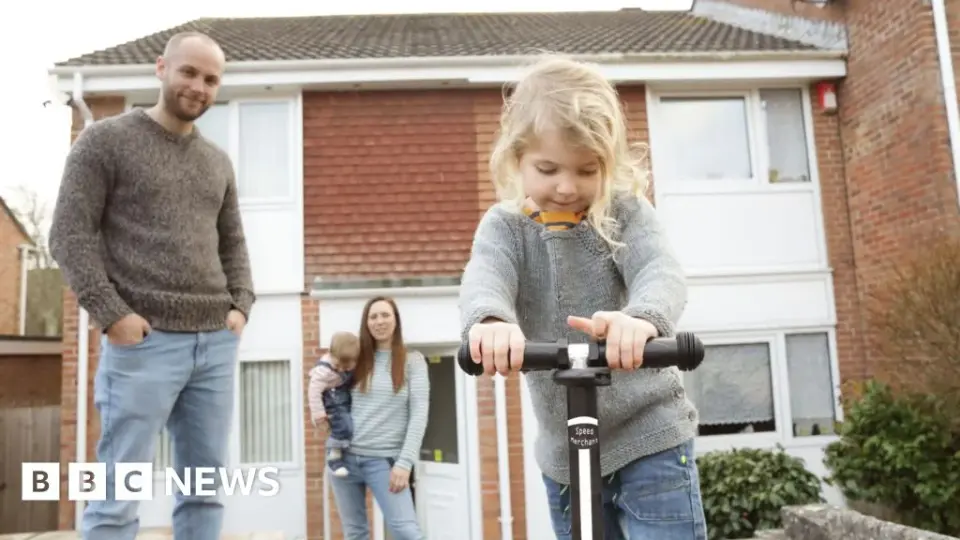
The UK faces a 'painful' economic outlook as the Office for Budget Responsibility (OBR) forecasts near-zero growth in household living standards for the current decade. Chancellor John Healey’s Budget offers limited relief, including a £100 energy payment, but think tanks warn it fails to offset rising costs. GDP growth is expected to slow to 1% by 2027, while inflation rises to 3.4%, driven by higher borrowing costs and energy shocks from the US-Iran conflict.
Key points
- The OBR predicts real household disposable income will grow by less than 0.1% per year through the end of the decade, marking the worst performance on record.
- The Resolution Foundation estimates typical working-age households will see disposable income fall by £1,050 (3%) between now and 2029.
- GDP growth is forecast to slow from 1.2% in 2026 to 1% in 2027, with inflation rising from 2% to 3.4% in 2027.
- Chancellor John Healey introduced a £100 energy support payment for approximately 20 million households, but critics argue it is insufficient to counter higher energy bills.
- The OBR attributes the grim outlook to higher borrowing costs and inflation caused by the US-Iran war, while noting significant uncertainty in future inflation paths.
Background
This follows a period of economic resilience in 2026, which defied earlier forecasts, but long-term stagnation remains a structural issue. Previous concerns about productivity and public debt levels continue to weigh on the economy, with net public debt expected to remain at 96% of GDP by 2031-32.
How outlets are covering it
The BBC and The Guardian report that think tanks like the Resolution Foundation and Institute for Fiscal Studies (IFS) describe the outlook as 'painful' and the worst decade for income growth since the 1960s. The Financial Times criticizes the Budget as 'fiddling' with trivial measures that fail to address deep-seated productivity issues and fragile public finances. Conversely, Prime Minister Andy Burnham and Chancellor Healey argue the economy is 'defying expectations' and that the Budget provides necessary 'breathing space' for households, despite acknowledging 'hard decisions' ahead. The Telegraph source was inaccessible due to a security block, so its perspective cannot be included.
Why it matters
The forecast signals a prolonged period of stagnant living standards, potentially eroding public confidence in the government’s economic management. The combination of rising inflation, high borrowing costs, and limited fiscal relief could exacerbate social inequality and strain public services, making the political and economic trajectory of the UK highly uncertain.
What to watch
The government will focus on implementing the £100 energy payment and other Budget measures, while the OBR will monitor inflation and GDP growth. The UK-EU summit on November 20 will also be a key event, as the government explores options for a closer relationship with Europe, though any fundamental changes are deferred to the next parliament.
- 'Painful' years ahead, think tanks warn, as living standards set to fall BBC
- Downbeat UK Forecasts Raise Chance of Upside Surprise for Healey Bloomberg.com
- Burnham denies preventing ministers from speaking about plans for closer relationship with EU – UK politics live The Guardian
- The Budget 2026 latest: Britain faces unprecedented squeeze on incomes, IFS says The Telegraph
- Healey fiddles while the UK stagnates Financial Times
Want the full story? Read the original reporting
Read on BBC