
US Proposes New Section 301 Tariffs on China, EU, and 12 Other Nations
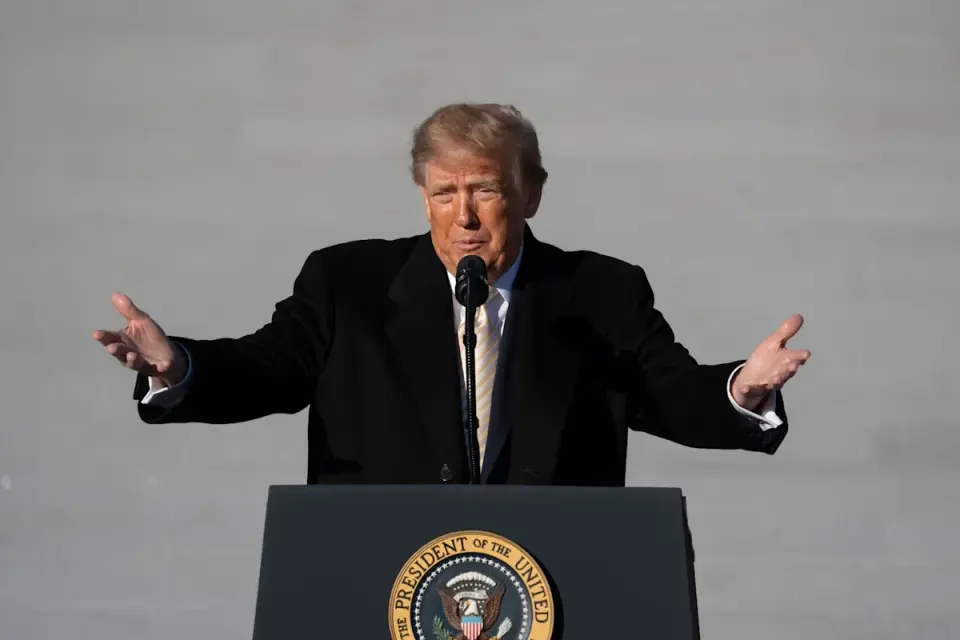
The Trump administration announced proposed tariffs of up to 20% on 14 major trading partners, including China and the EU, citing 'structural excess capacity.' The duties, which could rise to 40% for China if trade talks fail, are not yet in effect and are expected to take effect in January 2027 after public hearings. The move replaces tariffs struck down by the Supreme Court in February 2026 and supplants earlier forced-labor duties.
Key points
- The US Trade Representative proposed new Section 301 tariffs on 14 nations: China, the EU, Japan, South Korea, India, Vietnam, Cambodia, Indonesia, Malaysia, Singapore, Switzerland, Taiwan, Thailand, and Bangladesh.
- China faces a proposed 20% tariff, described as a 'deal rate' that could rise to 40% if Beijing does not uphold the trade truce. The new duty would stack on top of existing 25% tariffs, resulting in a total rate over 40% on some goods.
- The EU, Japan, and South Korea would face a 15% rate, aligning with rates negotiated in recent trade deals. Vietnam faces a 20% rate, while Cambodia, Indonesia, and Malaysia face 18%. India faces a 17% rate, contingent on ongoing talks.
- The tariffs are not yet in effect. A US official said they 'probably will be in January at the earliest' after additional hearings and a public comment period. The existing US-China trade truce expires on January 10, 2027.
- The duties exclude semiconductors, automobiles, steel, aluminum, and certain energy and food products. They are designed to replace tariffs struck down by the US Supreme Court in February 2026 and supplant 10-12.5% forced-labor tariffs imposed in July 2026.
- China's Foreign Ministry rejected the 'overcapacity' claim as a 'false proposition' and opposed its use as a 'pretext for political manipulation.' The White House stated the 14 nations' practices 'burden or restrict US commerce.'
Background
The Supreme Court struck down Trump's emergency tariffs in February 2026. Trump subsequently imposed a temporary 10% global tariff under Section 122, then replaced it with 10-12.5% forced-labor tariffs on 60 partners in July 2026. The US-China trade truce, originally struck in Busan, South Korea in October 2025, was extended to January 10, 2027. Trump and Xi met at the APEC summit in Shenzhen on November 18-19, 2026, but left major trade issues unresolved and did not agree to extend the truce.
How outlets are covering it
The Trump administration framed the tariffs as a response to 'structural excess capacity' and 'unfair trade practices' that burden US commerce. US Trade Representative Jamieson Greer stated the measures would 'level the playing field for American workers.' China rejected the 'overcapacity' claim as a 'false proposition' and a 'pretext for political manipulation.' Bloomberg noted that exit polls from the November 2026 midterm elections showed deep voter dissatisfaction with tariffs, yet Trump moved to expand them. CNBC emphasized that the new tariffs are 'country specific' and do not stack on top of existing duties except for China. The New York Times highlighted that the move faces mounting obstacles in Congress and the courts, with Democrats now controlling both chambers.
Why it matters
The proposed tariffs could significantly impact global trade and inflation. China is a main target, and the 20% rate could rise to 40% if trade talks fail. The duties are designed to replace tariffs struck down by the Supreme Court and supplant earlier forced-labor tariffs. The effective US tariff rate is currently about 11.3%, but could rise if the new duties take effect. The move also comes amid growing concerns over semiconductor exports and 'mass smuggling' of advanced chips to China.
What to watch
The tariffs are expected to take effect in January 2027 after additional hearings and a public comment period. The US-China trade truce expires on January 10, 2027. If Beijing does not uphold the truce, the tariff on China could rise to 40%. The administration plans to modify some tariffs on Brazil, adding a 10% tariff on sugar and finished aircraft. Norway and Mexico were also under investigation, but their findings are still being reviewed, and they may avoid immediate levies.
- US announces new tariffs of up to 20% on China, the EU, and 12 other nations Yahoo Finance
- Trump Administration Unveils New Tariffs for China, EU and More, Citing Unfair Practices The New York Times
- Trump Wants More Tariffs. How Are They Affecting the Economy? Bloomberg.com
- Trump proposes new tariffs on China, Europe and other trade partners The Washington Post
- U.S. proposes new tariffs on 14 trading partners, including China and the EU CNBC
Want the full story? Read the original reporting
Read on Yahoo Finance