
EU Pivots to Protect Refineries as Energy Crisis Hits Defense and Wallets
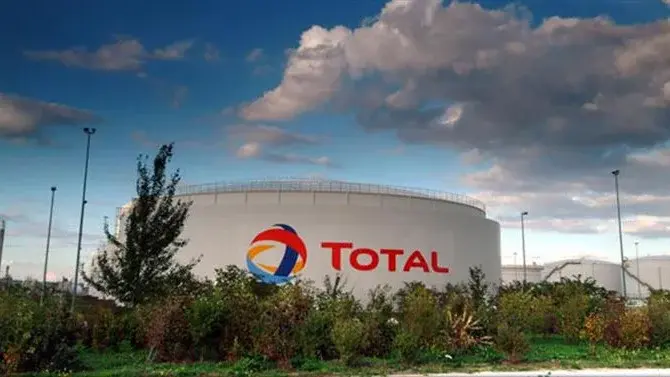
The European Commission is reversing its aggressive phase-out of oil refineries due to soaring energy costs and security risks. Europe has closed 25% of its plants in two decades, increasing reliance on imports. With gas prices hitting €103/MWh and import bills rising by €100 billion, Brussels is launching a dialogue to protect remaining capacity. The move balances climate goals with military readiness, as refineries supply 85% of EU diesel and 70% of jet fuel. Member states are also releasing 42.6 million barrels from strategic reserves to stabilize markets ahead of a difficult winter.
Key points
- Europe has shut down roughly 25% of its oil refineries over the past 20 years, reducing processing capacity by 10% and increasing dependence on imported fuels.
- The current energy crisis has added over €100 billion to Europe's import bill, with natural gas prices exceeding €100 per megawatt-hour for the first time since 2022.
- The European Commission launched a High-Level Dialogue with the refining sector to address energy security, industrial competitiveness, and defense readiness.
- EU refineries currently supply approximately 70% of jet fuel and 85% of diesel consumed across the bloc, making domestic capacity critical for military mobility.
- Member states have agreed to release 42.6 million barrels from strategic reserves, half of which will be diesel, to stabilize markets before winter.
- Central European nations like Poland and Czechia are pushing for protective strategies, arguing that strict climate rules have left the bloc vulnerable to foreign fuel imports.
Background
This shift follows a series of geopolitical shocks, including Houthi strikes on Saudi refineries and tensions in the Strait of Hormuz, which have driven oil prices above $110 per barrel. Earlier in October, the U.S. released strategic reserves to support Louisiana refineries, highlighting global supply concerns. The EU's 2022 energy crisis, triggered by the Russia-Ukraine war, had already exposed vulnerabilities in gas supply, but the current situation is compounded by Middle East conflicts and reduced storage levels, with EU gas storage at 75% capacity compared to 83% last year.
How outlets are covering it
OilPrice.com emphasizes the structural policy shift, noting that environmental regulations like the EU Emissions Trading System and Industrial Emissions Directive drove refinery closures, now being reconsidered due to geopolitical risks. eKathimerini highlights the political tension, with Greece seeking fiscal flexibility for energy subsidies, while the Commission acknowledges temporary fossil fuel support may be necessary but insists on long-term decarbonization. Balkan Green Energy News focuses on the immediate economic impact, with Jørgensen warning of a 'very hard winter' and stressing that subsidies must be targeted and temporary. Inspenet notes the broader coordination, including tax reforms to decouple electricity costs from gas prices and the release of over 400 million barrels from Western strategic reserves. All sources agree on the urgency of the crisis but differ on the balance between short-term relief and long-term climate goals.
Why it matters
The EU's decision to protect refining capacity signals a fundamental shift in energy policy, prioritizing security and industrial resilience over strict climate targets. This move could influence global energy markets, as Europe's reduced reliance on imported fuels may stabilize prices. It also raises questions about the feasibility of rapid decarbonization in the face of geopolitical instability, potentially setting a precedent for other regions to reconsider their energy transitions. The outcome will affect military readiness, household costs, and the pace of the green transition in the coming years.
What to watch
The European Commission will finalize a joint roadmap with the refining sector, including investments in biofuels and e-fuels. Member states will implement targeted subsidies and release strategic reserves over the next few months. The EU will also revise regulations to ensure strategic fuel stocks are accessible for military operations. Gas and oil prices will remain volatile, with markets watching for further geopolitical developments in the Middle East and Ukraine. The EU will monitor LNG supply flows and storage levels closely through the winter season.
- Europe Is Now Seriously Rethinking Its Oil Refinery Phase Down Crude Oil Prices Today | OilPrice.com
- Brussels softens energy stance eKathimerini.com
- Jørgensen: Winter to be difficult for EU citizens, economy Balkan Green Energy News
- The EU is examining the rise in gas prices ahead of winter Inspenet
- The EU has no "magic wand" to reverse the situation of soaring energy prices. Vietnam.vn
Want the full story? Read the original reporting
Read on Crude Oil Prices Today | OilPrice.com