
Hormuz Oil Rebound Fragile Amid Rising Iranian Attacks and High Costs
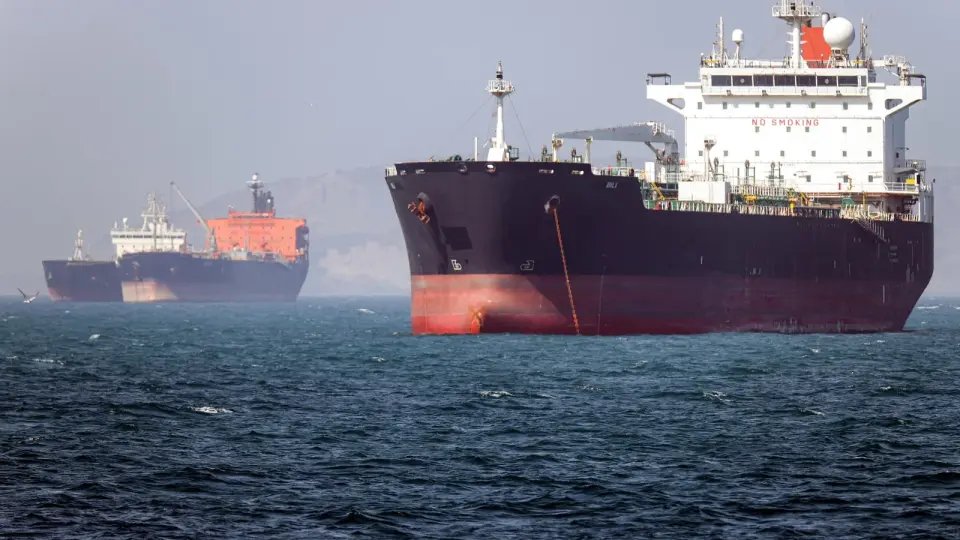
Crude exports through the Strait of Hormuz have partially recovered, but this rebound relies on costly US military protection and risky ship-to-ship transfers. Recent spikes in Iranian attacks on tankers, including a recent strike injuring Indian crew, threaten the sustainability of these flows without a diplomatic resolution.
Key points
- Crude shipments through Hormuz averaged 10.3 million barrels per day recently, still 23% below pre-war levels, according to Kpler data.
- At least 11 tankers were attacked in the past week, with four strikes occurring in the last two days, per The New York Times.
- A recent projectile strike on a Panama-flagged vessel off Oman injured 12 crew members, 11 of whom were Indian nationals, according to India's Ministry of External Affairs.
- Freight costs for shipping crude from the Persian Gulf to China have skyrocketed to $1 million per day per tanker due to heightened risks.
- Brent oil prices remain near $100 per barrel, reflecting the market's perception that current security measures are unsustainable.
Background
Since the US and Israel attacked Iran over seven months ago, oil flows through Hormuz have fluctuated significantly. Earlier in 2026, exports hit a trough of 5-6 million barrels per day in March before rebounding to two-thirds of pre-war levels by late August. Recent rerouting of Saudi exports and increased pipeline usage have helped maintain some supply, but the current situation remains volatile.
How outlets are covering it
CNBC emphasizes the financial unsustainability of the current security model, noting that US military commitments and ship-to-ship transfers are inefficient and costly. The New York Times highlights the immediate physical danger, focusing on the recent burst of attacks and the broader regional instability involving Houthi strikes on Saudi infrastructure. The Times of India focuses on the human cost, specifically detailing the injuries to Indian seafarers and calling for an end to attacks on commercial shipping. While all sources agree on the fragility of the rebound, CNBC and The New York Times differ on the primary driver of the current flow levels, with CNBC attributing it to US military carve-outs and The New York Times noting the continued threat despite these measures.
Why it matters
The stability of global oil supply depends on the Strait of Hormuz, which handles a significant portion of world crude. If the current security measures fail or costs become prohibitive, oil prices could spike further, impacting global inflation and energy security. The ongoing attacks also raise concerns about the safety of maritime trade and the potential for wider regional conflict.
What to watch
Analysts expect the current situation to remain volatile unless a negotiated settlement is reached or Iran capitulates. The US may continue to support the southern shipping route, but the high costs and risks could lead to further disruptions. Monitoring for changes in Iranian rhetoric or military actions will be crucial for predicting future oil flows and prices.
- Rebounding oil exports through Strait of Hormuz are vulnerable to stepped-up Iranian tanker attacks CNBC
- Iran Ramps Up Ship Attacks in Hormuz as Oil and Gas Flows Climb Bloomberg.com
- Oil Was Pouring Out of Hormuz Again. Then Attacks on Ships Resurged. WSJ
- Burst of Attacks in Gulf Heightens Fears Over Fragile Energy Trade The New York Times
- 'Attacks must end': MEA says 11 Indian crew members injured in Hormuz vessel strike The Times of India
Want the full story? Read the original reporting
Read on CNBC