
Iraq Bypasses Hormuz Blockade with First State Tanker Transit in Decades
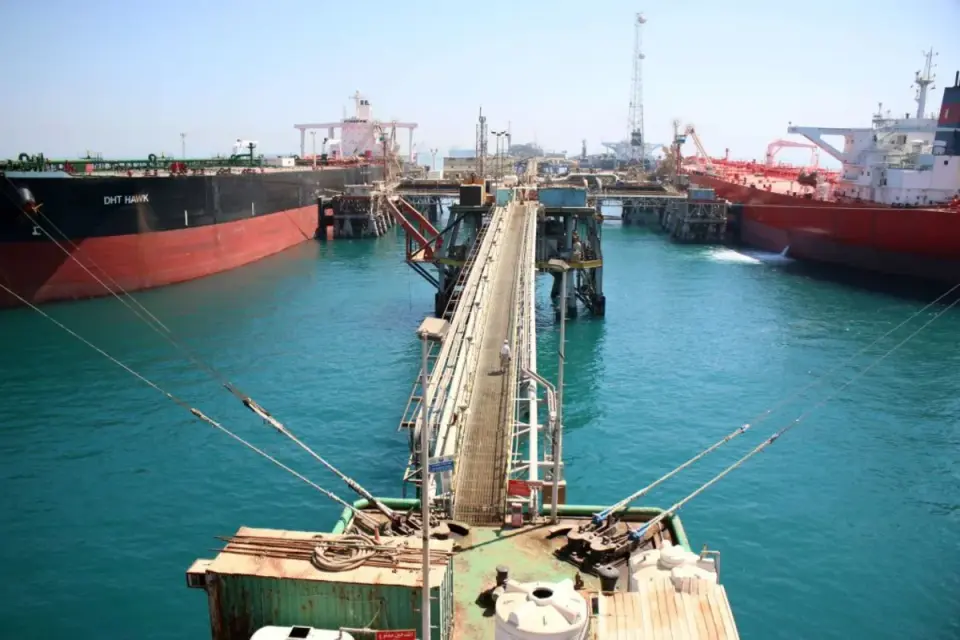
Iraq has shifted its oil export strategy by shipping two million barrels of crude through the Strait of Hormuz for the first time in decades, moving away from the traditional free-on-board model at Basra. This move aims to secure better pricing and bypass war-related risks, as Baghdad seeks to purchase its own tankers to regain control over its primary revenue source amid ongoing US-Iran tensions.
Key points
- Iraqi Oil Tankers Company (IOTC) shipped 2 million barrels of crude via a very large crude carrier through the Strait of Hormuz, marking the first such state-led transit in decades.
- The shift moves exports from the free-on-board Basra model to a transit model, allowing Iraq to secure better sales and pricing opportunities by assuming the war risk premium.
- Iraq depends on oil for over 90% of state revenue, with pre-war exports at 3.3 million barrels per day; current flows are constrained by the US-Iran conflict.
- The government is coordinating to fund the purchase of new tankers, as the IOTC currently operates only six small-capacity vessels, lacking supertankers for crude.
- Total Hormuz flows dropped to 6.02 million barrels per day in September, less than a third of February’s 20.64 million, due to missile attacks, insurance surges, and naval confrontations.
Background
This development follows months of disruption in the Strait of Hormuz since the US-Iran war began in February 2026. Earlier in August, Iran had granted limited passage to some Iraqi tankers, but broader transit remained blocked by blacklists and military threats. The US has also maintained a covert corridor to sustain global oil flows, but Iraq’s new strategy seeks independent control over its exports to mitigate these external constraints.
How outlets are covering it
The National News emphasizes the strategic shift to secure better pricing and the historical significance of the first state tanker transit in decades. IraqiNews highlights the Ministry of Oil’s push to fund new tankers, noting that the current fleet of six small vessels is inadequate for crude transport. Experts cited by IraqiNews question the economic viability and timing of the tanker purchase, while The National News notes that alternative routes like the Iraq-Turkey pipeline can only cover a fraction of exports. All sources agree that the US-Iran conflict has severely disrupted Iraq’s primary export route, forcing Baghdad to seek new solutions to protect its 90% oil-dependent revenue.
Why it matters
Iraq’s move to control its own tanker fleet and bypass Hormuz risks could stabilize its revenue and reduce dependence on volatile global shipping conditions. However, the success of this strategy depends on the ability to fund and operate large tankers, which may face challenges given the ongoing conflict and limited alternative export routes.
What to watch
Iraq is expected to increase export capacity to 5 million barrels per day once new pipelines to Fishkhabour and Baniyas are completed. The government will continue to seek funding for the purchase of supertankers to replace the current small fleet, aiming to compete with regional peers and secure better pricing in the global oil market.
- Iraq Shifts Oil Strategy by Arranging Tanker to Move Past Hormuz Yahoo Finance
- Iraq says it transported 2 million barrels of crude through Strait of Hormuz Reuters
- Iraq Seeks More Tankers to Control Its Hormuz Oil Transits Bloomberg.com
- Iraq transports its oil through Strait of Hormuz as US-Iran war chokes exports thenationalnews.com
- Iraq plans to purchase large oil tankers IraqiNews
Want the full story? Read the original reporting
Read on Yahoo Finance