
Europe Prepares for AMOC Collapse as 'Cold Blob' Signals Ocean Current Shift
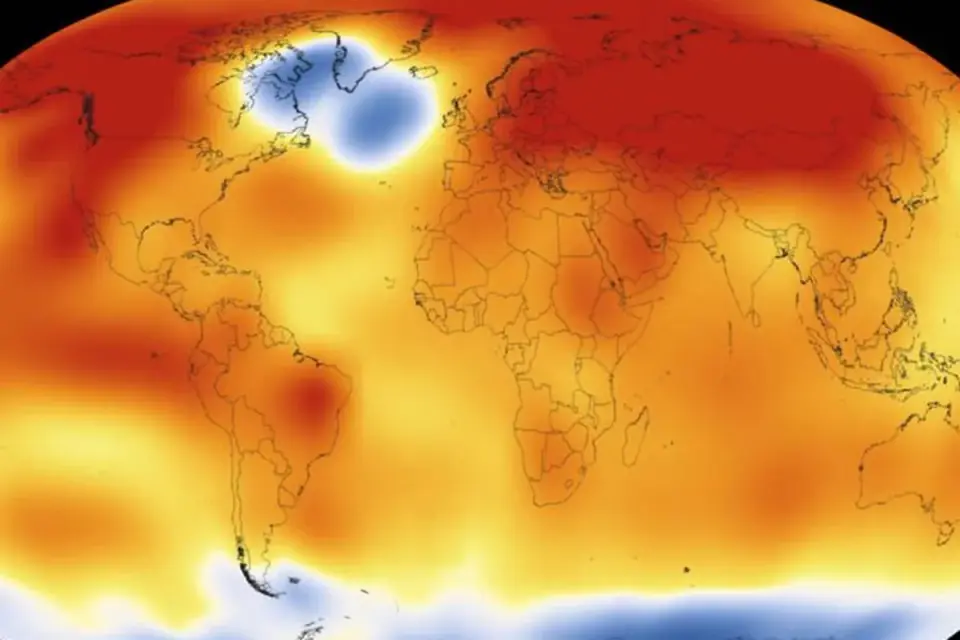
Scientists warn that the Atlantic Meridional Overturning Circulation (AMOC) may weaken or collapse sooner than expected, potentially disrupting European climate and economies. A 'cold blob' in the North Atlantic signals this shift, prompting European governments to treat the risk as a national security threat and invest in monitoring and adaptation.
Key points
- The AMOC, which regulates Europe's climate, is weakening due to melting Greenland ice and freshwater input, reducing water density and slowing circulation.
- A 'cold blob' south of Greenland indicates the subpolar gyre may fail by the 2040s, potentially triggering broader AMOC instability within 20 years.
- Iceland declared AMOC collapse a national security risk, while the Netherlands, Finland, and the UK are assessing impacts on infrastructure, agriculture, and sea levels.
- The UK invested £81 million in an early-warning system, and the EU pledged €220 million for ocean observation, though scientists argue €500 million to €1 billion annually is needed.
- Experts emphasize that cutting emissions is the only way to reduce collapse risk, while 'no-regret' measures like improved insulation and coastal defenses offer partial protection.
Background
Previous coverage in our archive focused on regional weather events, such as Hurricane Marie and Alaskan cold fronts, but did not address large-scale ocean circulation shifts. This story marks a shift toward long-term, systemic climate risks affecting global weather patterns.
How outlets are covering it
The Independent highlights the 'cold blob' as a warning sign of AMOC collapse, emphasizing scientific alarm. Politico.eu details European government responses, framing the issue as a security and economic threat requiring immediate planning. The Post and Courier focuses on Faroe Islands scientists' role in understanding current dynamics, linking local observations to broader climate impacts. The Telegraph source was inaccessible, so no perspective could be extracted.
Why it matters
AMOC collapse could cause glacial winters, droughts, and sea-level rise in Europe, disrupting agriculture, infrastructure, and economies. Early action is critical, as delays could make adaptation impossible once tipping points are crossed.
What to watch
European governments will continue funding ocean monitoring and adaptation strategies. Scientists will track the subpolar gyre and AMOC strength, while international efforts may push for increased funding to sustain long-term observation systems.
- Why the ‘cold blob’ may collapse the weather system as we know it The Independent
- Canadian winters threaten to freeze Europe The Telegraph
- A climate nightmare lurks in the Atlantic. Europe is starting to pay attention. politico.eu
- How Faroe Island scientists solved mysteries about ocean currents shaping South Carolina's future Post and Courier
- Analyze This: Even as Earth’s oceans warm, one spot has gone cold Science News Explores
Want the full story? Read the original reporting
Read on The Independent