
German spies warn of imminent Russian conflict as Merz tours Kyiv
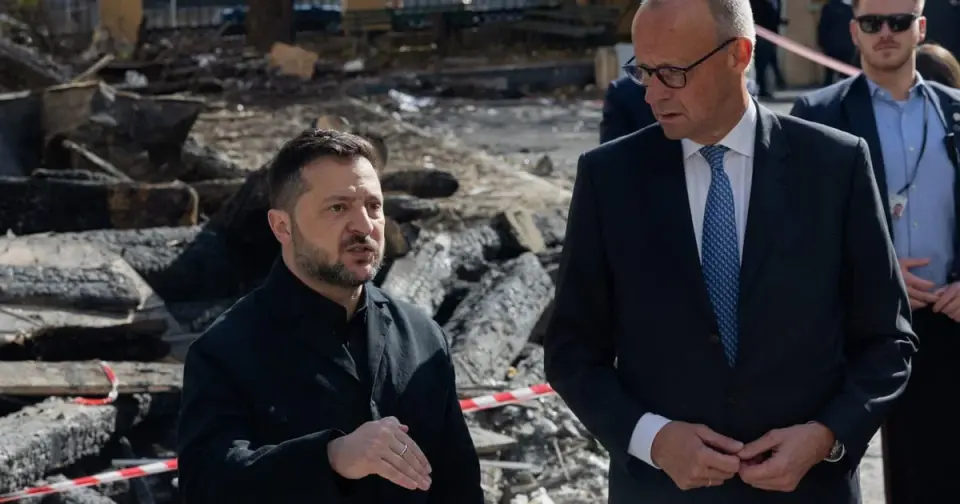
German intelligence chiefs warned parliament on October 5 that Moscow’s escalating 'shadow war' risks drawing Berlin into direct conflict with Russia. BND chief Martin Jäger cited the August Leipzig drone attack and warned of potential 'little green men' provocations in the Baltics, while domestic intelligence chief Sinan Selen noted Russia is targeting European infrastructure and defense industries. These warnings followed Chancellor Friedrich Merz’s visit to Kyiv, aimed at projecting resolve after his party suffered losses to the pro-Kremlin AfD in recent regional elections.
Key points
- BND chief Martin Jäger stated Germany is at risk of being embroiled in violent conflict with Russia, calling Berlin a primary target due to its support for Ukraine.
- Domestic intelligence chief Sinan Selen warned that Russia is targeting transport, communications, and defense sectors, accepting potential civilian casualties to disrupt European support for Kyiv.
- Jäger warned of possible small-scale provocations in the Baltics similar to the 2014 Crimea annexation, noting NATO could face such tests before a full-scale conflict is expected by 2029.
- Chancellor Merz visited Kyiv on October 4 to reassure allies and Ukraine of continued support, following two consecutive regional election victories for the AfD party.
- Intelligence officials attributed Russia’s escalation to Putin’s domestic pressure to show military progress as the war enters its fifth winter.
Background
In late August 2026, Germany attributed a failed drone attack at Leipzig/Halle Airport to Russia, leading to the closure of the Russian consulate in Bonn and the Russian House in Berlin. This incident followed earlier warnings from CIA Director John Ratcliffe regarding potential NATO attacks, highlighting a rising trend of hybrid warfare in Europe.
How outlets are covering it
Politico emphasizes the political dimension, linking the intelligence warnings to Chancellor Merz’s domestic struggles and his symbolic visit to Kyiv to counter the rising influence of the pro-Kremlin AfD. The Financial Times focuses on the operational details of the 'shadow war,' highlighting the specific targeting of infrastructure and the strategic intent to test NATO unity without triggering Article 5. The Independent’s live coverage, while less detailed in the provided snippet, notes concurrent large-scale Ukrainian strikes on Moscow oil facilities, suggesting a broader escalation in direct military exchanges.
Why it matters
The warnings signal a potential shift from hybrid warfare to direct military confrontation between NATO and Russia, with significant implications for European security and the stability of the Ukraine conflict. The internal political turmoil in Germany, driven by the rise of the AfD, adds uncertainty to Western support for Ukraine at a critical juncture.
What to watch
Expect increased security measures in Europe, particularly in the Baltics, and potential further sanctions against Russian entities. The outcome of upcoming German political developments and the intensity of the winter campaign in Ukraine will be critical indicators of whether the 'shadow war' escalates into open conflict.
- Germany risks being drawn into ‘violent conflict’ with Russia, spy chief warns politico.eu
- Germany at risk of violent conflict with Russia, intelligence chief says Reuters
- Russia’s ‘shadow war’ with Europe enters new phase, Germany warns Financial Times
- Germany news: Spy chief warns risk of 'violent conflict' with Russia is growing dw.com
- Ukraine war live: Nato at risk of conflict with Putin as war enters ‘new phase’ The Independent
Want the full story? Read the original reporting
Read on politico.eu