
Jellyfish and heatwaves push France's nuclear output to record 20% deficit
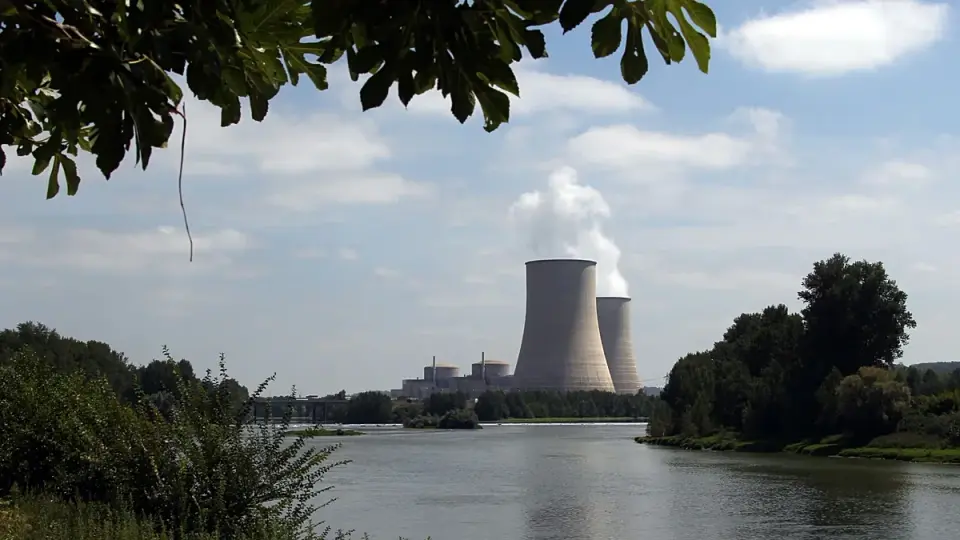
France's nuclear power capacity dropped to a record low of 20.4% on August 12, 2026, due to a combination of extreme heat, drought, and a jellyfish invasion. The Gravelines plant, the largest in Western Europe, was forced to shut down or reduce output on five of its six reactors after jellyfish clogged cooling pumps. Simultaneously, other nuclear sites across the country curtailed operations because high water temperatures and low river flows prevented safe cooling. This environmental disruption occurred during a period of intense heatwaves, which increased electricity demand. Although the shortfall is significant, experts note that current supply remains stable due to existing energy reserves.
Key points
- France's nuclear generating capacity fell to 20.4% on August 12, 2026, marking a record deficit driven by environmental constraints.
- The Gravelines nuclear plant, located on the northern coast, had five of its six reactors shut down or operating at reduced power after jellyfish clogged cooling pumps.
- Jellyfish swarms are linked to warming seas, overfishing, and plastic pollution, which have created favorable conditions for their reproduction.
- Other nuclear reactors across France were forced to cut output due to drought and extreme heat, which reduced river flow and raised water temperatures, hindering cooling processes.
- EDF deployed fishing vessels to conduct round-the-clock 'preventive fishing operations' to remove jellyfish from coastal waters and clean pumping stations.
- Despite the record shortfall, energy experts state that current supply remains sufficient, with no immediate risk of power shortages for consumers.
Background
This event follows a series of disruptions to France's nuclear grid earlier in 2026. In June and July, EDF was forced to shut down several reactors due to extreme heat and drought-like conditions, which had already caused a 15.6% shortfall in nuclear production. The current crisis is part of a broader pattern of climate-related impacts on energy infrastructure, including a red heat alert in July that forced the shortening of the Tour de France and a heatwave in June that resulted in approximately 1,000 excess deaths in France. The Gravelines plant had also faced a similar jellyfish disruption in August 2025, highlighting a recurring vulnerability in coastal nuclear facilities.
How outlets are covering it
Euronews and NDTV emphasize the record-breaking nature of the 20.4% capacity deficit, attributing it to a combination of jellyfish and heat-related outages. Fortune focuses specifically on the Gravelines incident, quantifying the loss at 3.2 gigawatts and noting that parts of France are forecast to see temperatures near 40°C, which exacerbates demand. While Euronews and NDTV highlight the broader environmental causes, such as overfishing and plastic pollution, Fortune underscores the immediate impact on power supply during a heatwave. All sources agree that EDF is actively working to restore operations, with some reactors expected to return online by the end of the week.
Why it matters
The record shortfall in nuclear capacity underscores the vulnerability of France's energy infrastructure to climate change. As nuclear power accounts for 70% of France's electricity, disruptions from extreme weather and marine life pose significant risks to energy stability. The incident highlights the need for adaptive measures, such as preventive fishing operations and improved cooling systems, to mitigate future disruptions. Additionally, the event raises concerns about the long-term impact of warming seas on coastal nuclear facilities, potentially requiring significant investments in infrastructure resilience.
What to watch
EDF is expected to restore the affected reactors to full capacity by the end of the week, with some units already scheduled to come back online. The company continues to deploy fishing vessels and clean pumping stations to prevent further jellyfish clogging. In the long term, France may need to invest in more resilient cooling systems and explore alternative energy sources to reduce dependence on nuclear power. Regulatory filings and ongoing monitoring will determine the timeline for full restoration of the Gravelines plant and other affected sites.
- Extreme weather knocks one-fifth of France's nuclear capacity offline Euronews.com
- Jellyfish-hit French nuclear plant shuts down three reactors Reuters
- Jellyfish swarms knock out 3.2 gigawatts of French nuclear power fortune.com
- France's Largest Nuclear Plant Shut Down After Huge Jellyfish Swarm Clogs Pumps NDTV
- Jellyfish force shutdown of three reactors at French nuclear plant Euronews.com
Want the full story? Read the original reporting
Read on Euronews.com