
Qatar LNG Loadings Reach Half of Pre-War Levels Amid Strait of Hormuz Disruptions
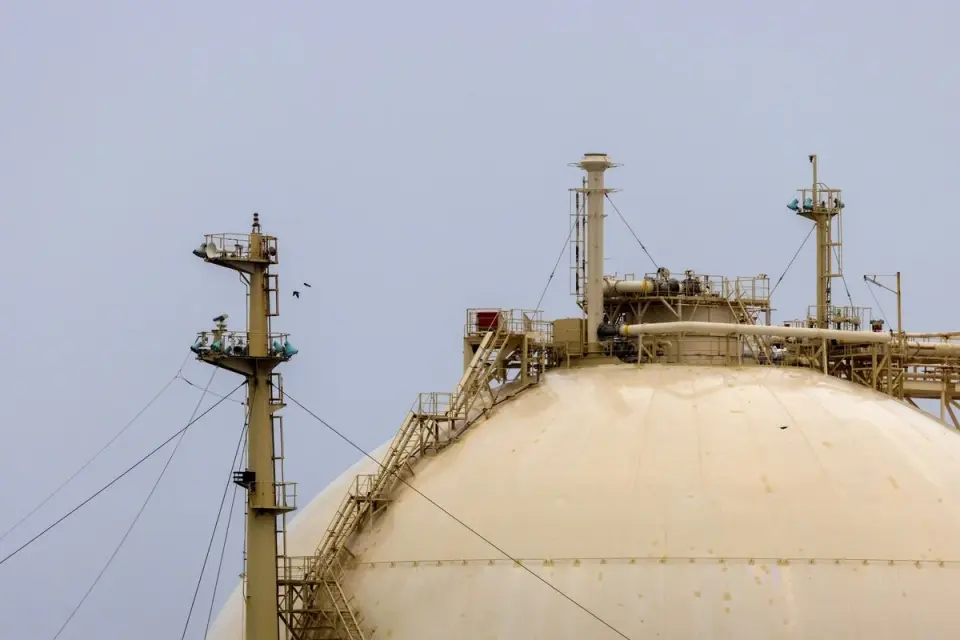
Liquefied natural gas (LNG) shipments from Qatar’s Ras Laffan facility have increased slightly in November 2026, reaching approximately half of pre-war levels. While the number of departing tankers has risen to a 10-day average of 13 to 15, this remains well below the pre-conflict baseline. Analysts suggest that even if peace is restored, full recovery of export volumes may take one to two years due to infrastructure damage and logistical constraints.
Key points
- LNG loadings from Ras Laffan averaged 13 to 15 tankers per 10 days in November 2026, up from about 11 in October.
- Current export levels are roughly 50% of pre-war volumes, indicating partial but incomplete recovery.
- Data from Bloomberg, Kpler, and Copernicus confirms the slight uptick in shipments despite ongoing regional instability.
- Analysts cited by Montel News estimate a one-to-two-year timeline for full ramp-up of exports even after a peace agreement.
- The recovery is occurring despite continued disruptions in the Strait of Hormuz, which remain a critical chokepoint for global energy trade.
Background
In March 2026, Iranian military actions damaged Qatar’s Ras Laffan facility, severely disrupting its LNG exports. In response, QatarEnergy signed a 30-year deal with Cheniere Energy to import 4 million metric tons of LNG annually through 2054, highlighting the long-term impact of the conflict on Doha’s energy infrastructure. While oil exports from the Gulf have recently surpassed pre-war levels through alternative routes, LNG flows remain significantly constrained due to the specific logistical and infrastructural challenges associated with liquefied natural gas transport.
How outlets are covering it
Bloomberg emphasizes the quantitative recovery, noting that loadings have picked up to around half of pre-war levels, suggesting Qatar is actively seeking to maximize output despite ongoing disruptions. Montel News offers a more cautious long-term outlook, citing analysts who argue that even with a peace agreement, it will take one to two years to fully ramp up exports. This divergence highlights the difference between short-term logistical adjustments and the longer-term structural recovery of energy infrastructure.
Why it matters
Qatar’s LNG output is a critical component of global energy supply. A recovery to only half of pre-war levels indicates that the energy market remains vulnerable to geopolitical shocks in the Middle East. The slow ramp-up suggests that global gas prices and supply chains may face continued volatility, particularly as alternative routes and ship-to-ship transfers struggle to fully compensate for the loss of direct transit through the Strait of Hormuz.
What to watch
Monitor whether LNG loadings continue to rise toward pre-war levels in the coming months. Watch for any peace agreements or de-escalation measures in the Strait of Hormuz that could accelerate the recovery timeline. Additionally, track the impact of the Cheniere-Qatar deal on global LNG pricing and U.S. exporter confidence.
- Qatar LNG Loadings Pick Up to Around Half of Pre-War Levels Bloomberg.com
- Hormuz LNG traffic hits highest in October since Iran war began Reuters
- Rising Fuel Flows Through Hormuz May Help Ease Strained Market Bloomberg.com
- Qatar LNG exports 1-2 years to ramp up even with peace – analyst Montel News
- Strait of Hormuz Tanker Traffic Is the Test for Normal Oil Supply StoneX
Want the full story? Read the original reporting
Read on Bloomberg.com