environment-and-energy5 min read
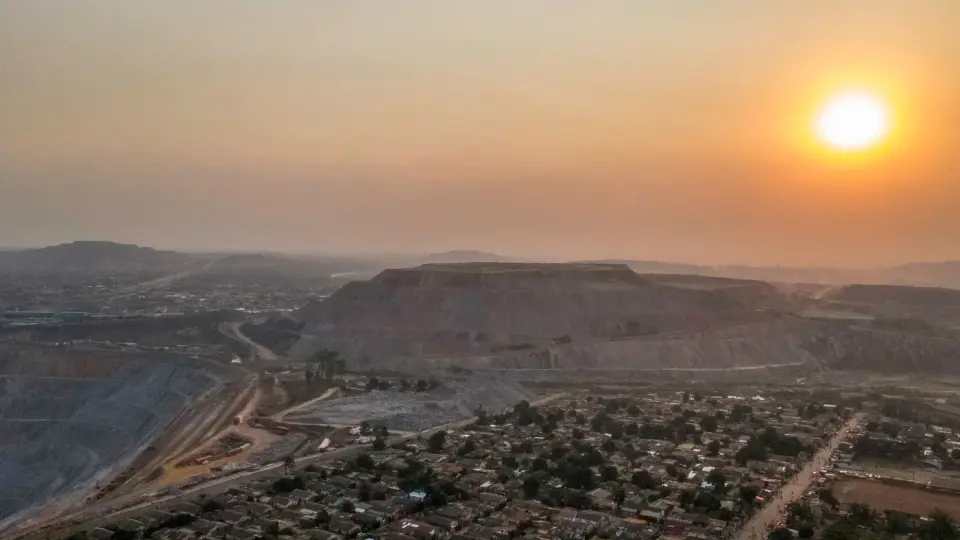
Congo Residents Sue Chinese Cobalt Mine Over Health Crises Linked to EV Supply Chain
3 days ago•Source: NPR
View original source
The latest environment and energy stories, each synthesized from multiple sources with added background and context.
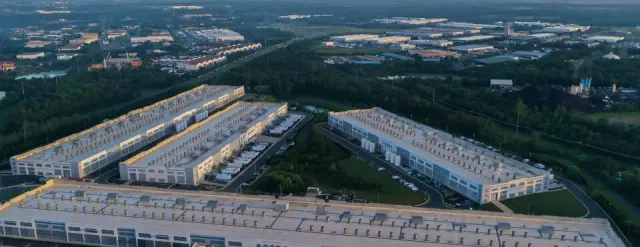
A new report by the think tank Ceres reveals that electric power generation for data centers in the seven most concentrated US states consumes 3.4 trillion gallons of freshwater annually. This volume exceeds the average annual urban water demand of California and equals 12 times the combined usage of Los Angeles, Phoenix, and Washington, DC. While Ceres focuses on total water withdrawals, including water returned to rivers, other experts argue that consumptive use is a more accurate measure of environmental impact. The report highlights that 66% of power plants in these states face medium to high water stress, prompting concerns about local supply risks despite national trends showing declining overall water use in some states due to coal plant retirements.

Bridge Michigan•3 months ago
Bloomberg Law News•4 months ago

California built a first-in-the-nation system to cap refinery profits and penalize price gouging during spikes, but regulators delayed the rules for five years and have not used them; as gas prices climb with the Iran conflict and the state’s shrinking refinery capacity, critics say the delay costs drivers billions and undermines consumer protections, while supporters warn enforcement could disrupt supply and investment—leaving the tools dormant until at least 2029 unless the delay is rescinded.

Mukhtar Babayev, Azerbaijan's ecology and natural resources minister and former oil executive, has been appointed to lead the 2024 U.N. climate talks, raising concerns among climate activists due to his past association with the state oil company. Despite Azerbaijan's heavy reliance on oil and gas revenues, there is cautious optimism recalling the unexpected positive outcomes from the previous COP28 in Dubai. The upcoming conference in Azerbaijan will focus on critical issues such as climate change adaptation and mitigation financing, with the international community watching for a fair and ambitious facilitation by the host country.

Mukhtar Babayev, Azerbaijan's ecology and natural resources minister and former oil executive, has been appointed to lead this year's U.N. climate talks, sparking concerns over the influence of the oil industry in climate negotiations. This follows the contentious presidency of Sultan Ahmed al-Jaber, a state oil company leader, at COP28. Critics, including climate scientist Michael Mann, argue that oil executives should not preside over climate summits due to conflicts of interest. Azerbaijan, a country heavily reliant on oil and gas revenues, will host the talks with Babayev aiming to reduce the nation's climate pollution and increase renewable energy capacity.

Mukhtar Babayev, a former oil and gas industry executive and current Azerbaijan’s ecology and natural resources minister, has been appointed as the president-in-waiting for the upcoming COP29 climate summit. Despite his oil background and Azerbaijan's heavy reliance on fossil fuel exports, Babayev has experience in environmental protection, including soil remediation efforts. His appointment has raised concerns about the commitment to phasing out fossil fuels, but UN climate change executive secretary Simon Stiell has expressed support for working with Babayev to ensure a successful COP29.

Mukhtar Babayev, a former oil executive with extensive experience in Azerbaijan's national oil company, has been nominated to lead the COP29 climate talks in Baku, Azerbaijan. Despite concerns over the influence of the oil industry on climate negotiations, his predecessor, Sultan al-Jaber, managed to secure agreements on transitioning away from fossil fuels at COP28. COP29 is expected to focus more on financial goals for climate action, but the appointment of another oil industry veteran has sparked criticism from climate activists who are calling for the exclusion of big polluters from the talks.

A significant earthquake on Japan's western coast has raised concerns about the safety of restarting nuclear power plants in a country frequently hit by natural disasters. The quake caused damage and power outages, and occurred shortly after a ban on the operation of Tokyo Electric's Kashiwazaki-Kariwa plant was lifted. Despite the government's shift towards reviving nuclear energy due to energy crises, public skepticism remains high, especially after the recent tremor caused water to spill from nuclear fuel pools, although radiation levels remained normal. The incident has affected the stock market and could influence Japan's energy policy and public sentiment towards nuclear power.

California is accelerating the implementation of its climate change policies, fearing potential hindrances from a second Trump administration. The state's Air Resources Board has delayed enforcing new rules, such as the mandate for trucking fleets to transition to zero-emission vehicles, due to pending federal approvals from the EPA. The Biden administration's EPA is currently facing a backlog of waiver requests from California, which seeks to set stricter emissions standards than federal levels. Environmentalists and state officials are concerned that bureaucratic delays could jeopardize these climate initiatives, especially if there is a shift in presidential administration following the next election.
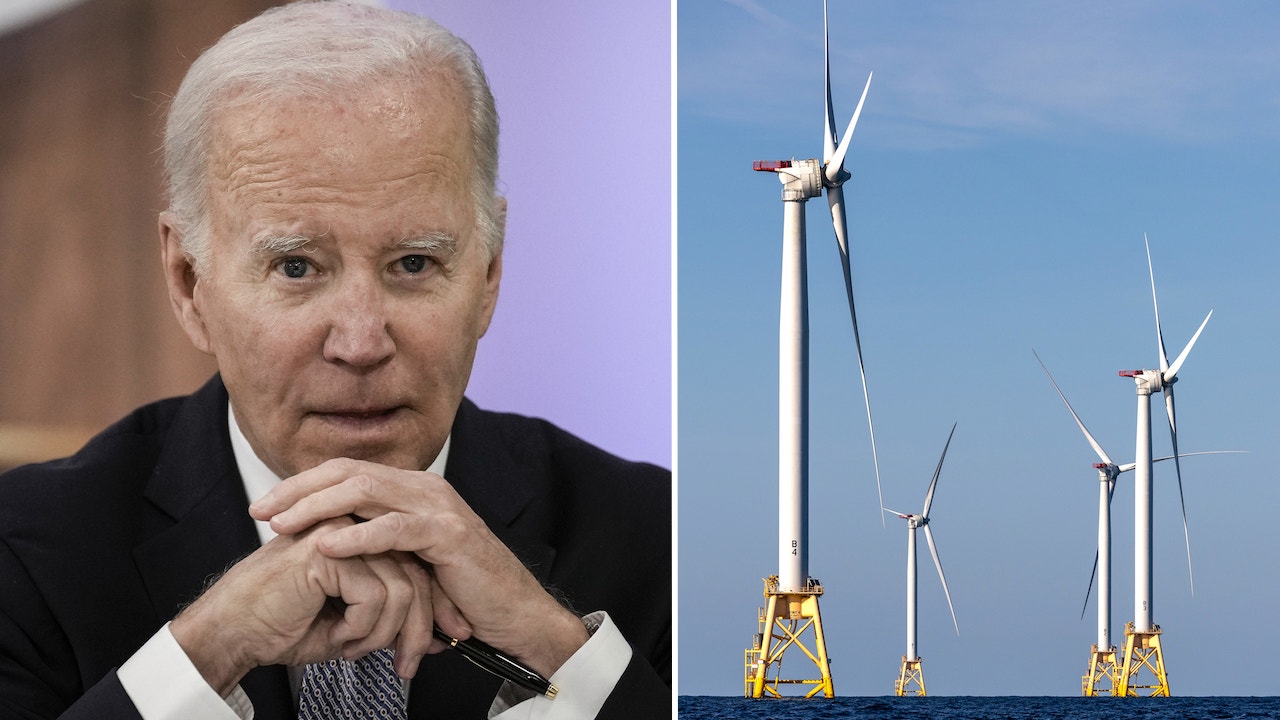
Equinor and BP have terminated their contract for the Empire Wind 2 project off the coast of New York due to economic challenges such as inflation and supply chain issues. This decision is a setback for President Biden's ambitious green energy goals, which include deploying 30 gigawatts of offshore wind energy by 2030. The project's cancellation follows the approval of the first two large-scale offshore wind projects in U.S. history and the recent cancellation of Orsted's Ocean Wind projects, further impacting the administration's clean energy agenda.
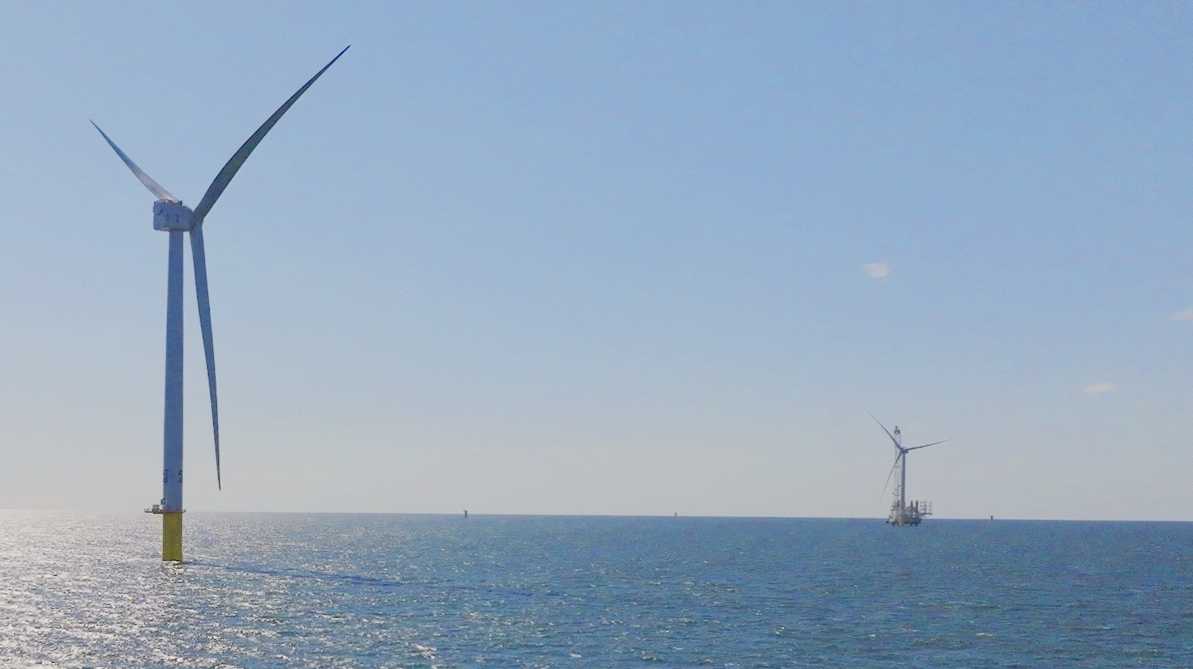
The Vineyard Wind project, an offshore wind farm located off the coast of Martha's Vineyard, has begun delivering power to New England's electric grid, marking a significant milestone for the American offshore wind industry. One of the five completed GE Haliade-X turbines supplied approximately 5 megawatts of power, with plans to have all turbines operational early this year. Once fully complete, the wind farm will consist of 62 turbines, generating enough electricity for around 400,000 homes and businesses. This development represents a key step towards Massachusetts' goal of energy independence and aligns with the Biden administration's broader objectives for renewable energy expansion on the East Coast.

The United States has reached a milestone in renewable energy as the first turbines from two major offshore wind farms, Vineyard Wind in Massachusetts and South Fork Wind near New York, begin supplying electricity to the grid. Vineyard Wind's first turbine delivered 5 megawatts to the Massachusetts grid, with more turbines to be operational early in the year. This progress comes amidst international commitments to increase renewable energy usage and challenges faced by the offshore wind industry, including project delays and financial feasibility concerns. The Biden administration's support contrasts with previous regulatory delays, marking a significant step forward for the U.S. in climate action and the transition to clean energy.