
2026 Planetary Health Check: Seven Earth Systems Breached at Record Levels
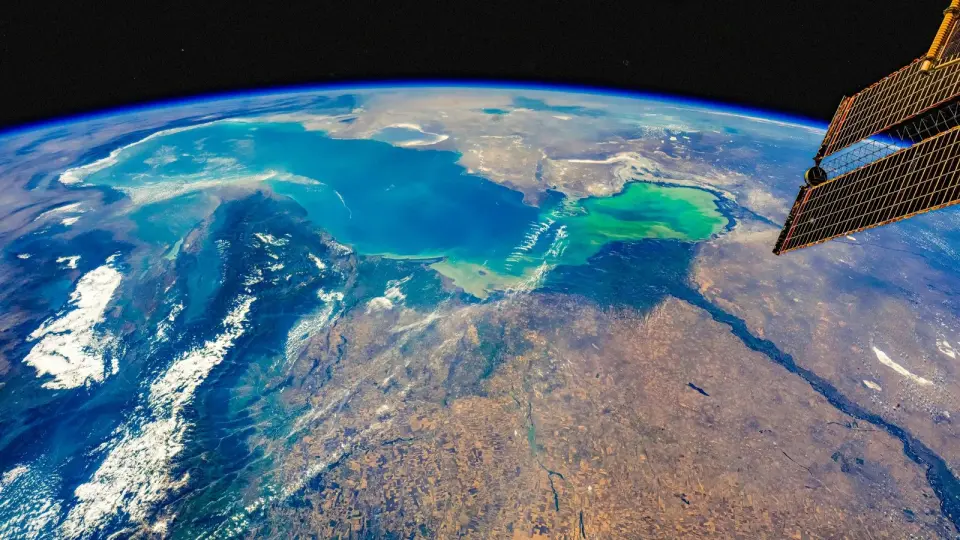
The 2026 Planetary Health Check report, authored by over 60 scientists, confirms that seven of Earth's nine critical life-support systems have breached safe limits. These systems, including climate change, ocean acidification, and biosphere integrity, are all at their highest recorded levels of transgression. While only stratospheric ozone and atmospheric aerosol loading show improvement, the report warns that the risk of irreversible harm is increasing. Scientists emphasize that while the window for action is closing, rapid intervention in emissions and nature degradation is still possible to stabilize the planet.
Key points
- Seven of nine planetary boundaries are currently transgressed, with all seven at their highest recorded levels of breach.
- Ocean acidification was the latest boundary to be breached, occurring in 2025.
- Only stratospheric ozone depletion and atmospheric aerosol loading have shown improvement, though regional aerosol levels remain unsafe.
- The report highlights that land carbon sinks may be losing resilience, potentially turning ecosystems from carbon absorbers into sources.
- Extreme weather events, including record ocean heat, coral bleaching, and wildfires, have intensified in the past year.
Background
This annual assessment coincides with Climate Week and builds on previous warnings about Earth's stability. Unlike last year's report, which noted significant boundary changes, the 2026 edition focuses on the worsening state of already breached boundaries. The report uses the latest available data, some of which predate 2026, to evaluate the interconnected natural systems that maintain Earth's resilience.
How outlets are covering it
Live Science and the Monthly Review both emphasize the severity of the current situation, with Live Science quoting lead editor Niklas Kitzmann comparing Earth's status to a patient requiring immediate ICU care. The Monthly Review highlights the work of lead author Boris Sakschewski and PIK Director Johan Rockström, who stress that while time is short, the knowledge and solutions to reverse course exist. Inshorts provides a concise summary of the breached indicators, noting that marine heatwave days have tripled since 1991. All sources agree that the situation is deteriorating, but they differ in emphasis: Live Science focuses on the urgency of action, while the Monthly Review details specific extreme weather events and the potential loss of carbon sink resilience.
Why it matters
The report underscores that the risk of large-scale, persistent, and potentially irreversible environmental change is increasing. As the margin for error shrinks, the need for accelerated action to return to safe operating spaces becomes critical to protecting lives, livelihoods, and future prosperity. The data highlights that current models may overestimate the resilience of land carbon sinks, which are essential for achieving net-zero emissions.
What to watch
The report calls for immediate action to bend the curves on emissions and nature degradation within the next few years. Scientists urge policymakers and global leaders to accelerate efforts to return all planetary boundaries to safe operating spaces. The focus will likely shift to monitoring the resilience of carbon sinks and addressing regional disparities in environmental safety, particularly regarding aerosol loading.
- 'We're rapidly running out of time': 7 of Earth's 9 life support systems already breached, and the situation is getting worse, report warns livescience.com
- Planetary Health Check: Mounting pressure on life support systems mronline.org
- 7 of 9 Planetary Boundaries Have Been Breached and Are Worsening en.tempo.co
- 7 of 9 indicators crucial for life on Earth breached at highest levels: Report | Earth likely to exceed the 1.5°C warming: UNEP | Inshorts Inshorts
Want the full story? Read the original reporting
Read on livescience.com