Tag

Planetary Boundaries

All articles tagged with #planetary boundaries

2026 Planetary Health Check: Seven Earth Systems Breached at Record Levels
environment20 days ago

2026 Planetary Health Check: Seven Earth Systems Breached at Record Levels

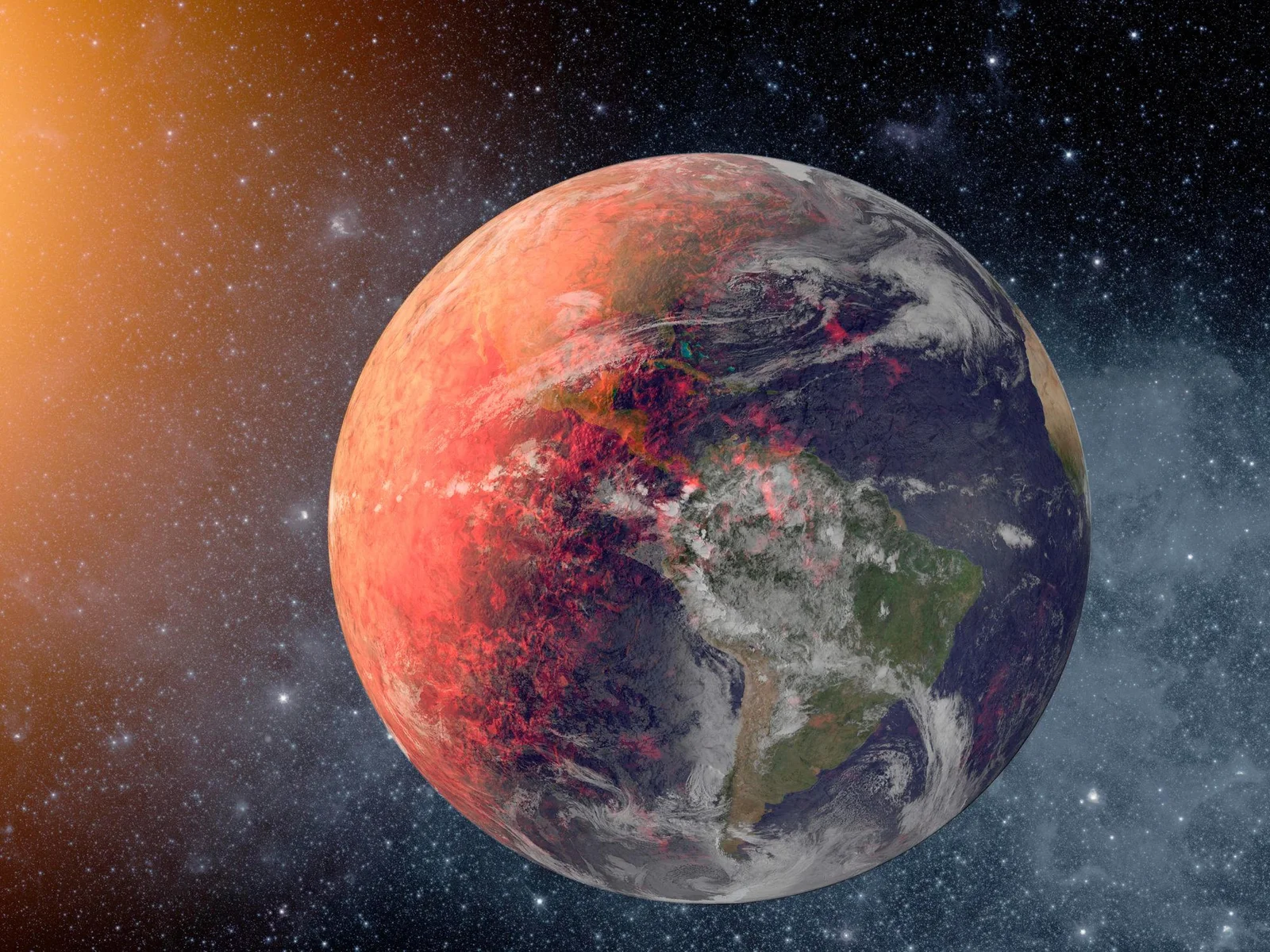
The 2026 Planetary Health Check report, authored by over 60 scientists, confirms that seven of Earth's nine critical life-support systems have breached safe limits. These systems, including climate change, ocean acidification, and biosphere integrity, are all at their highest recorded levels of transgression. While only stratospheric ozone and atmospheric aerosol loading show improvement, the report warns that the risk of irreversible harm is increasing. Scientists emphasize that while the window for action is closing, rapid intervention in emissions and nature degradation is still possible to stabilize the planet.


2026 Planetary Health Check: Seven of Nine Earth Systems Breach Safe Limits
environment27 days ago

2026 Planetary Health Check: Seven of Nine Earth Systems Breach Safe Limits

The 2026 Planetary Health Check, released by the Potsdam Institute for Climate Impact Research, confirms that seven of nine critical Earth systems have breached their safe operating limits. This annual assessment, authored by 60 scientists, indicates that all transgressed boundaries are at record highs, raising the risk of irreversible planetary change. While stratospheric ozone and atmospheric aerosol levels have improved, other factors like ocean acidification, biodiversity loss, and chemical pollution have worsened. The report urges immediate action to reverse these trends within the current decade to prevent large-scale, persistent damage to Earth’s stability.

2026 Planetary Health Check: Seven Earth Systems at Record Breach Levels
climate-and-environment27 days ago

2026 Planetary Health Check: Seven Earth Systems at Record Breach Levels

The 2026 Planetary Health Check, produced by the Planetary Boundaries Science Lab at the Potsdam Institute for Climate Impact Research (PIK), reports that seven of nine critical Earth system boundaries are breached at record highs. These include climate change, biosphere integrity, land system change, freshwater change, biogeochemical flows, novel entities, and ocean acidification, which crossed its threshold in 2025. Only stratospheric ozone depletion and atmospheric aerosol loading show improvement, though aerosol levels remain unsafe in some regions. Lead author Boris Sakschewski warns that the risk of irreversible change is rising as margins for error shrink. The report highlights recent extremes, including record ocean heat, Pakistan’s 2025 floods affecting 6.9 million people, and widespread European wildfires. Scientists note that carbon sinks may be weakening, potentially undermining net-zero goals, while emphasizing that solutions exist to return to a safe operating space.

Earth on the edge: seven planetary boundaries breached, scientists warn
science28 days ago

Earth on the edge: seven planetary boundaries breached, scientists warn

A Planetary Health Check from the Potsdam Institute finds seven of nine planetary boundaries already breached, including climate change, biosphere integrity, land-use change, freshwater change, biogeochemical flows, ocean acidification and novel entities, with only ozone depletion and aerosol loading still relatively within safe bounds; the report stresses that despite the breaches we have knowledge and solutions to reverse course, notably by strengthening natural carbon sinks and pursuing rapid, scalable actions (Earthshots) to return to a safe operating space.

Planetary Health Check: Seven of Nine Earth Systems Breach Safe Limits
environment29 days ago

Planetary Health Check: Seven of Nine Earth Systems Breach Safe Limits

A 2026 assessment by 60 scientists confirms that seven of nine planetary boundaries are breached at record levels, including climate change and biosphere integrity. While stratospheric ozone and aerosol loading show improvement, the overall risk of irreversible damage is rising. The report warns that natural buffers like forests are failing, potentially triggering tipping points such as the Amazon turning into savannah. Released during Climate Week in New York, the findings highlight a disconnect between scientific urgency and corporate 'green-hushing'.

Oceanic oxygen loss could destabilize ecosystems, scientists warn
environment3 months ago

Oceanic oxygen loss could destabilize ecosystems, scientists warn

Scientists warn that dissolved oxygen in global oceans is falling rapidly due to warming, nutrient pollution, and algal blooms, threatening marine life across the food chain and possibly affecting climate regulation. Researchers from UC San Diego’s Scripps Institution of Oceanography say this aquatic deoxygenation should be added to the Planetary Boundaries framework to reflect its global importance, and note that recovery could take centuries without coordinated emissions cuts and nutrient controls.

Oceans Run Low on Oxygen, Threatening Earth's Balance
earth-science3 months ago

Oceans Run Low on Oxygen, Threatening Earth's Balance

A new review warns that warming oceans and nutrient runoff are depleting dissolved oxygen in water bodies, with global ocean oxygen down ~2% since the 1950s and potentially falling another 1–7% by 2100, a trend that could disrupt aquatic ecosystems and destabilize the biosphere; the study argues aquatic deoxygenation should be added to the Planetary Boundaries framework, proposing indicators like dissolved oxygen concentration, proximity to capacity, shifts in oxygen‑sensitive species, and the Metabolic Index to track risk.

Ocean Deoxygenation Emerges as Earth's 10th Planetary Boundary
science7 months ago

Ocean Deoxygenation Emerges as Earth's 10th Planetary Boundary

Scientists argue aquatic deoxygenation could be Earth’s 10th tipping point, supplementing the existing Planetary Boundaries. Warming temperatures and nutrient runoff are reducing dissolved oxygen across lakes, reservoirs, and oceans, with notable declines such as 40% oxygen loss in midwaters off California since 1960. If widespread, this trend threatens marine life, fisheries, and global climate feedbacks, underscoring the need to cut emissions and curb nutrient pollution to safeguard ecosystems and economies.

Majority of Earth's Land Now Outside Safe Environmental Limits
environment1 year ago

Majority of Earth's Land Now Outside Safe Environmental Limits

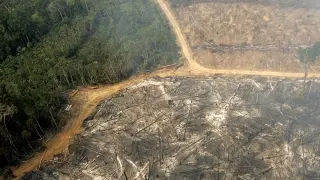
A new study reveals that 60% of Earth's land has exceeded safe ecological limits, primarily due to human activity like land conversion and biomass use, with significant impacts on climate and ecosystems, especially in Europe, Asia, and North America. The research emphasizes the urgent need for global biosphere protection and integrated climate policies.

Earth's Planetary Health Boundaries: Scientists Issue Urgent Warning as Limits are Exceeded
environment3 years ago

Earth's Planetary Health Boundaries: Scientists Issue Urgent Warning as Limits are Exceeded

Scientists warn that human activity has caused the transgression of six out of nine crucial planetary boundaries, leading to dangerous and irreversible changes to the planet. The planetary boundary framework, established in 2009, helps identify a "safe operating space" for life on Earth. Sustaining life on the planet may become increasingly difficult as these boundaries are breached.

Humanity's Dangerous Overstep: Crossing Six Planetary Boundaries
environment3 years ago

Humanity's Dangerous Overstep: Crossing Six Planetary Boundaries

A new study warns that six out of nine planetary boundaries, which ensure the Earth is a safe operating space for humanity, have been breached. The boundaries for climate change, land use, freshwater change, biogeochemical flows, novel entities (synthetic pollution), and biosphere integrity have all been crossed, while atmospheric aerosol loading and ocean acidification are close to being breached. The study serves as a wake-up call, highlighting the urgent need for action to mitigate global warming and protect the planet's stability and resilience.

Earth's Planetary Boundaries Breached: Humanity's Livability at Risk
environment3 years ago

Earth's Planetary Boundaries Breached: Humanity's Livability at Risk

A new study published in Science Advances warns that Earth is increasingly becoming uninhabitable for humans as six out of nine planetary boundaries have been breached due to human-caused pollution and destruction of the natural world. These boundaries, which include biosphere integrity, climate change, freshwater changes, land system change, the introduction of novel entities, and biogeochemical flows, determine the fate of the planet. The study indicates that Earth is now well outside the safe operating space for humanity, with failing resilience making it difficult to reach climate goals and bringing the world closer to tipping points.

Earth's Safe Operating Space for Humanity Exceeded, Scientists Warn
environment3 years ago

Earth's Safe Operating Space for Humanity Exceeded, Scientists Warn

A new study warns that human activity has crossed six out of nine planetary "boundaries" crucial for maintaining Earth's stability and livability. These boundaries include biosphere integrity, climate change, freshwater changes, ocean acidification, stratospheric ozone depletion, atmospheric aerosol loading, land system change, introduction of novel entities, and biogeochemical flows. The study emphasizes the need to reduce pressure on these boundaries to prevent irreversible changes and harm to the planet. The researchers stress that focusing solely on climate change is not enough; the biodiversity crisis must also be addressed to ensure a sustainable future.

Earth's Safe Operating Space for Humanity Breached, Scientists Warn
environment3 years ago

Earth's Safe Operating Space for Humanity Breached, Scientists Warn

Scientists have warned that Earth's life support systems have been severely damaged, pushing the planet "well outside the safe operating space for humanity." Six out of nine "planetary boundaries" have been breached due to human-caused pollution and destruction of the natural world. These boundaries represent the limits of key global systems, such as climate, water, and biodiversity, beyond which the ability to maintain a healthy planet is at risk. The assessment, based on 2,000 studies, reveals that all four biological boundaries are at or close to the highest risk level. The scientists emphasize the urgent need to phase out fossil fuel burning and end destructive farming practices to restore the planet's resilience.