
Anthrax Outbreak Claims 30 Hippos in Congo’s Virunga Park
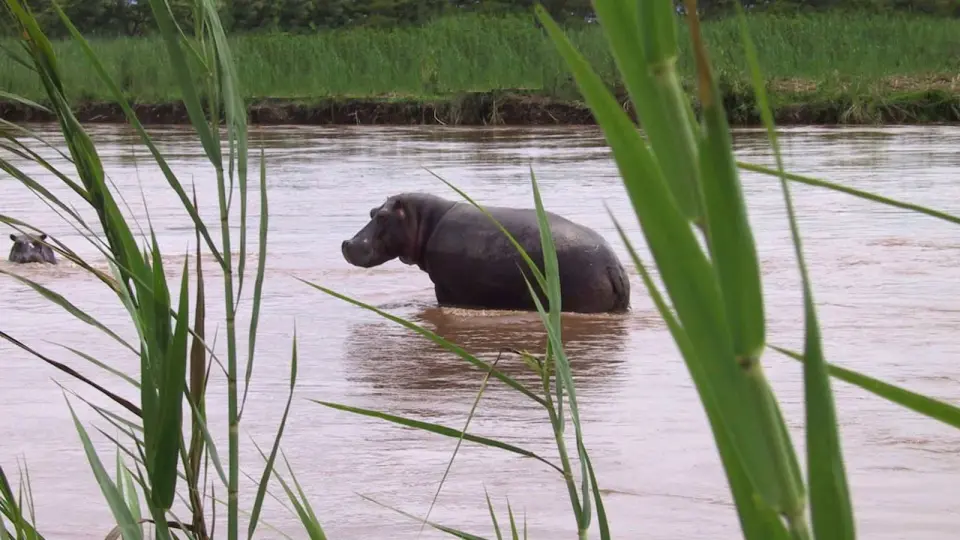
At least 30 hippos have died from anthrax in Virunga National Park, the oldest national park in Africa, since the outbreak began in September. Laboratory tests confirmed the cause of death, and officials attribute the spread to recent heavy rainfall. While no new cases have been reported in the last two weeks, monitoring continues as park authorities manage carcasses and warn local communities against handling dead animals.
Key points
- At least 30 hippos have died from anthrax in Virunga National Park since September, with laboratory analysis confirming the cause.
- Park officials attribute the outbreak to significant rainfall, which likely activated dormant spores in the soil.
- No new cases have been identified in the past two weeks, but monitoring protocols remain active to prevent further spread.
- Local communities have been advised not to touch or consume dead animals to prevent human infection.
- The outbreak occurs alongside a major Ebola epidemic in the Democratic Republic of the Congo, which has killed over 5,000 people since May.
Background
Virunga National Park, established in 1925, is a UNESCO World Heritage Site in the eastern Democratic Republic of the Congo. It is home to the majority of the world's remaining mountain gorillas. The park experienced a similar anthrax outbreak last year that killed approximately 65 hippos and affected the buffalo population. Currently, the country is also grappling with a severe Ebola epidemic, which has become the second-largest on record.
How outlets are covering it
Both ABC News and The Daily Beast report on the anthrax outbreak in Virunga National Park, citing Laura Parker, the park's conservation chief, for details on the death toll and response efforts. Both outlets emphasize the role of rainfall in triggering the outbreak and the susceptibility of hippos due to their biology and feeding habits. There are no significant disagreements between the sources; both highlight the lack of new cases in recent weeks while maintaining cautious optimism. The Daily Beast focuses on the immediate impact on the hippo population, while ABC News provides broader context regarding the concurrent Ebola crisis in the region.
Why it matters
The anthrax outbreak highlights the vulnerability of wildlife in protected areas to zoonotic diseases, particularly when environmental conditions like heavy rainfall activate dormant pathogens. The incident underscores the importance of surveillance and safe carcass management to prevent the spread of disease to humans and other animals. Additionally, the outbreak occurs during a critical period for the Democratic Republic of the Congo, which is simultaneously managing a severe Ebola epidemic, straining public health and conservation resources.
What to watch
Park authorities will continue to monitor the affected area for new cases and coordinate the safe handling and disposal of carcasses. Local communities will remain under advisement to report any dead animals to authorities. The situation will be closely watched to ensure that the outbreak does not spread to other wildlife or human populations, particularly given the ongoing Ebola crisis in the region.
- Anthrax outbreak in Africa's oldest national park kills dozens of hippos, officials say ABC News - Breaking News, Latest News and Videos
- Anthrax Outbreak in Africa’s Oldest National Park Is Killing Hippos The New York Times
- While battling Ebola and facing U.S. restrictions, Congo is hit by another deadly bacterial disease Business Insider Africa
- Dozens of Hippos Killed in Anthrax Outbreak The Daily Beast
- Anthrax kills dozens of hippos at DRC’s Virunga National Park Outbreak News Today
Want the full story? Read the original reporting
Read on ABC News - Breaking News, Latest News and Videos