
Beach Fires Create 'Plasticoral' as Melted Waste Fuses with Coral Rubble
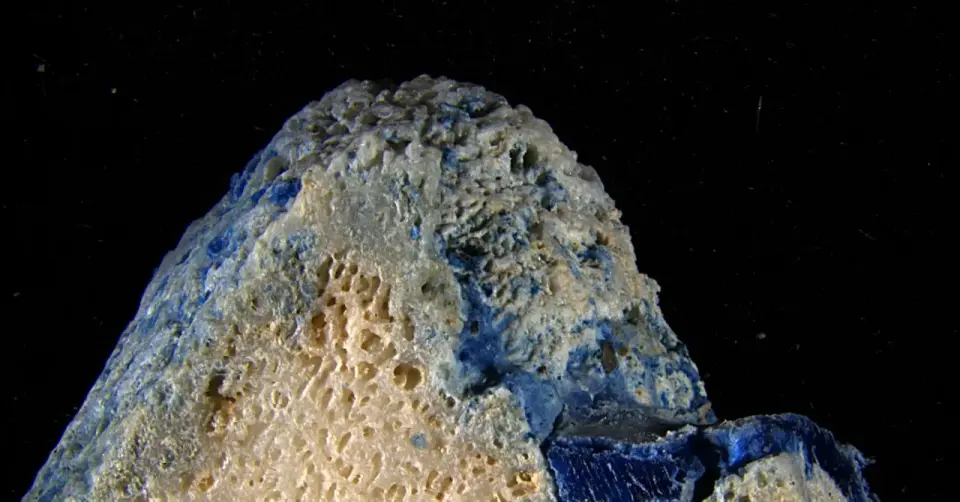
Researchers in Japan have identified a new form of marine pollution called 'plasticoral,' where plastic waste has irreversibly fused with coral rubble. This phenomenon was discovered on beaches in the Ryukyu Islands, specifically Okinawa, where spectroscopic analysis revealed household polymers melted into the microscopic pores of coral skeletons. The fusion is likely caused by beach bonfires, as ocean temperatures are currently insufficient to melt plastic. While the long-term ecological impact is unknown, previous studies suggest such plastics can leach harmful chemicals or carry pathogens to living corals.
Key points
- Scientists discovered 'plasticoral' on three beaches in Okinawa, Japan, where plastic and coral fragments are permanently intertwined.
- Micro-CT scans and spectroscopy confirmed that polymers from common household plastics melted into the pores of coral skeletons.
- Researchers believe beach bonfires are the primary cause, as current ocean temperatures are not high enough to melt plastic, though UV radiation may also contribute.
- Coral rubble is ecologically vital as it provides a foundation for new coral growth and shelter for small marine organisms.
- The specific mechanism of fusion is still under investigation, but the discovery highlights a new pathway for plastic pollution in marine ecosystems.
Background
This finding adds to growing concerns about pervasive plastic contamination. Recent studies have shown that reducing plastic contact in daily life can lower chemical exposure in humans, while large-scale robotic cleanup efforts aim to remove floating ocean plastic by 2040. Additionally, research into plastic degradation, such as the 'Gold Plastic Syndrome' in electronics, highlights how environmental factors like UV exposure and heat can alter plastic structures, potentially contributing to such fusion events in marine environments.
Why it matters
The discovery of 'plasticoral' reveals a previously unknown mechanism of plastic pollution that directly integrates with critical reef structures. Since coral rubble serves as a foundational habitat for new coral growth and shelter for marine life, the contamination of this material with leaching chemicals or pathogens could have cascading effects on reef health and biodiversity. This underscores the need to address not just floating debris, but also the thermal and chemical interactions between waste and natural environments.
What to watch
Further investigation is required to confirm the role of beach bonfires in creating plasticoral and to assess the broader ecological impacts on living coral colonies. Researchers will likely expand surveys to other pristine areas to determine if this fusion is widespread, while continued monitoring of plastic leaching and pathogen transport remains essential for understanding reef resilience.
Want the full story? Read the original reporting
Read on wired.com