
Brazil Amazon Deforestation Hits Record Low Ahead of October 25 Election
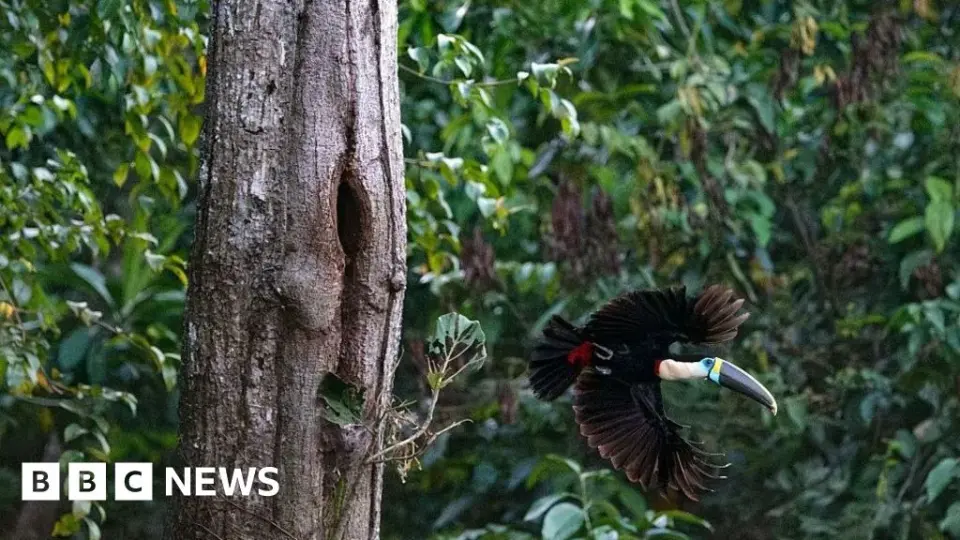
Brazil's Amazon deforestation rate has dropped to its lowest level since records began in 1988, with forest clearance falling 41.8% to 3,335 square kilometers. This historic decline, achieved under President Lula da Silva's administration through stricter enforcement, provides a significant political boost ahead of the October 25 presidential runoff against Flavio Bolsonaro, who opposes environmental protections.
Key points
- Amazon deforestation fell 41.8% to 3,335 sq km, the lowest since 1988, according to Inpe's Prodes satellite data.
- The Cerrado savanna also saw its lowest deforestation since 2001, dropping 23.8% to 5,516 sq km.
- President Lula da Silva pledged to end illegal deforestation by 2030, a goal he claims is achievable based on current trends.
- The October 25 runoff pits Lula against Flavio Bolsonaro, who has pledged to continue his father's extractive policies but focus enforcement on organized crime.
- Pará, Mato Grosso, and Amazonas had the highest deforestation rates but still saw significant year-on-year declines, while Roraima saw a slight increase.
Background
Brazil's Amazon deforestation had surged under former President Jair Bolsonaro, who cut environmental protections and promoted mining in indigenous lands. Lula da Silva took office in 2023 with a pledge to end deforestation by 2030, reversing the trend through stronger enforcement and state investments in environmental agencies. The current record low comes after four years of consistent declines, with deforestation down 71.2% since 2022.
How outlets are covering it
BBC and Al Jazeera emphasize the record-low deforestation figures as a major achievement under Lula's administration, highlighting the 41.8% drop in the Amazon and 23.8% in the Cerrado. The Guardian adds context on the political stakes, noting that Lula fell behind in the first round despite his environmental record, and that Flavio Bolsonaro has pledged to continue his father's extractive policies while focusing enforcement on organized crime. The Guardian also highlights the contrast in foreign policy, with Lula defending the Amazon as a sovereign asset and the Bolsonaro family having close ties to the US. All sources agree that the election outcome will determine whether these gains are sustained or reversed.
Why it matters
The Amazon rainforest is a crucial buffer in the global fight against climate change, with 60% located in Brazil. The record-low deforestation rate demonstrates that political will and stricter enforcement can significantly reduce forest clearance. However, the upcoming election poses a risk to these gains, as Flavio Bolsonaro's policies could reverse the progress made under Lula's administration. The outcome will have significant implications for global climate efforts and Brazil's international relations.
What to watch
The presidential runoff will take place on October 25, with polls showing a neck-and-neck race between Lula and Flavio Bolsonaro. If Lula wins, he is expected to continue his environmental policies and push for zero illegal deforestation by 2030. If Flavio Bolsonaro wins, he is expected to continue his father's extractive policies, potentially reversing the recent gains in deforestation reduction. The election outcome will also impact Brazil's relations with the US and its trade priorities, particularly regarding critical minerals.
- Brazil sees record fall in Amazon deforestation as key election looms BBC
- Brazilian Amazon deforestation falls to lowest on record as pivotal vote looms The Guardian
- Brazil’s Amazon deforestation hits lowest level on record Al Jazeera
- Deforestation in Brazil's Amazon falls to all-time low Reuters
- Brazil says Amazon deforestation fell to the lowest level since 1988 AP News
Want the full story? Read the original reporting
Read on BBC