Tag

Deforestation

All articles tagged with #deforestation

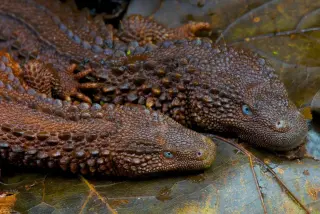
Borneo's Elusive Mini-Dragon: A Living Fossil Fighting for Survival
science8 days ago

Borneo's Elusive Mini-Dragon: A Living Fossil Fighting for Survival

In Borneo's forests, the earless monitor lizard—nicknamed the 'mini-dragon' and Lanthanotus borneensis—is a rare, nocturnal living fossil and the sole survivor of its family. Endangered by deforestation and illegal wildlife trade, it remains elusive to researchers, but new findings are fueling conservation efforts and insights into reptile evolution.

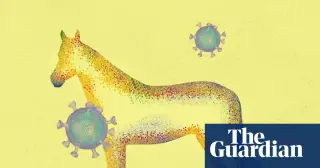
Brisbane horse outbreak unlocked the bat spillover puzzle
infectious-diseases23 days ago

Brisbane horse outbreak unlocked the bat spillover puzzle

A 1994 outbreak of Hendra virus in Brisbane horses, with human infections, revealed a bat-borne zoonosis in which flying foxes were the reservoir and horses acted as amplifying hosts. The investigation linked spillover to ecological disruption—habitat loss and urban bats moving closer to people—showing, over decades, how habitat change drives disease emergence and how winter flowering of eucalyptus could lure bats away from farms to prevent spillovers. The work helped establish the ecological basis for preventing bat-to-human infections rather than relying solely on medical interventions.

US Finds Brazil’s Trade Practices Burden U.S. Commerce, Proposes Action
world2 months ago

US Finds Brazil’s Trade Practices Burden U.S. Commerce, Proposes Action

The USTR has determined under Section 301 that certain Brazilian acts and policies—covering digital trade and electronic payments, unfair tariffs, anti-corruption enforcement, IP protection, ethanol market access, and illegal deforestation—are unreasonable or discriminatory and burden U.S. commerce, making them actionable. The agency is proposing responsive actions and inviting public comment, with a hearing set for July 6, 2026; written comments due by July 1, 2026, and requests to appear by June 22, 2026. A July 15, 2026 deadline applies for taking responsive action as USTR continues engagement with Brazil to resolve concerns.

Rainforests Rebound in Decades, Not Centuries, Study Finds
science4 months ago

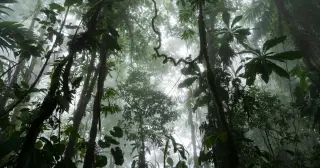
Rainforests Rebound in Decades, Not Centuries, Study Finds

A large Ecuador study shows tropical forests can regain animal life within about three decades, much faster than the traditional century-plus timeline. Using chronosequencing across 45 regrowing patches and 16 taxa, researchers found animal diversity nearing that of old-growth forests, aided by remnant trees and proximity to intact forests. However, about 30% of soil bacteria may be irreversibly lost and some highly specialized species haven’t returned. The findings highlight that conservation should leverage nearby old forests to maximize natural recovery, but do not justify ongoing deforestation.

Africa’s forests switch from carbon sink to carbon source, prompting stronger conservation push
environment4 months ago

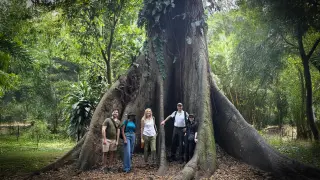
Africa’s forests switch from carbon sink to carbon source, prompting stronger conservation push

A new international study finds Africa’s forests have shifted from absorbing to releasing carbon after 2010 due to widespread deforestation and degradation, with large losses in tropical moist broadleaf forests. The shift undermines global climate goals and highlights the urgency of stronger forest governance, restoration programs, and climate finance to protect and restore Africa’s forests and meet Paris Agreement targets.

Beef tops deforestation chart as palm oil and soy follow
climate6 months ago

Beef tops deforestation chart as palm oil and soy follow

New Nature Food analysis links two decades of forest loss to commodity farming, with beef the leading driver (about 120 million acres destroyed, mostly in the tropics like the Amazon) and beef-related emissions exceeding three times the US’s annual total. Oil palm and soy also cleared millions of tropical forests, while staples such as maize, rice, and cassava can have large footprints. The study suggests reducing beef can help rainforests, though global demand remains strong and data limitations complicate measurement of cocoa/coffee impacts.

Deforestation Pushes Mosquitoes Toward Humans for Blood
science6 months ago

Deforestation Pushes Mosquitoes Toward Humans for Blood

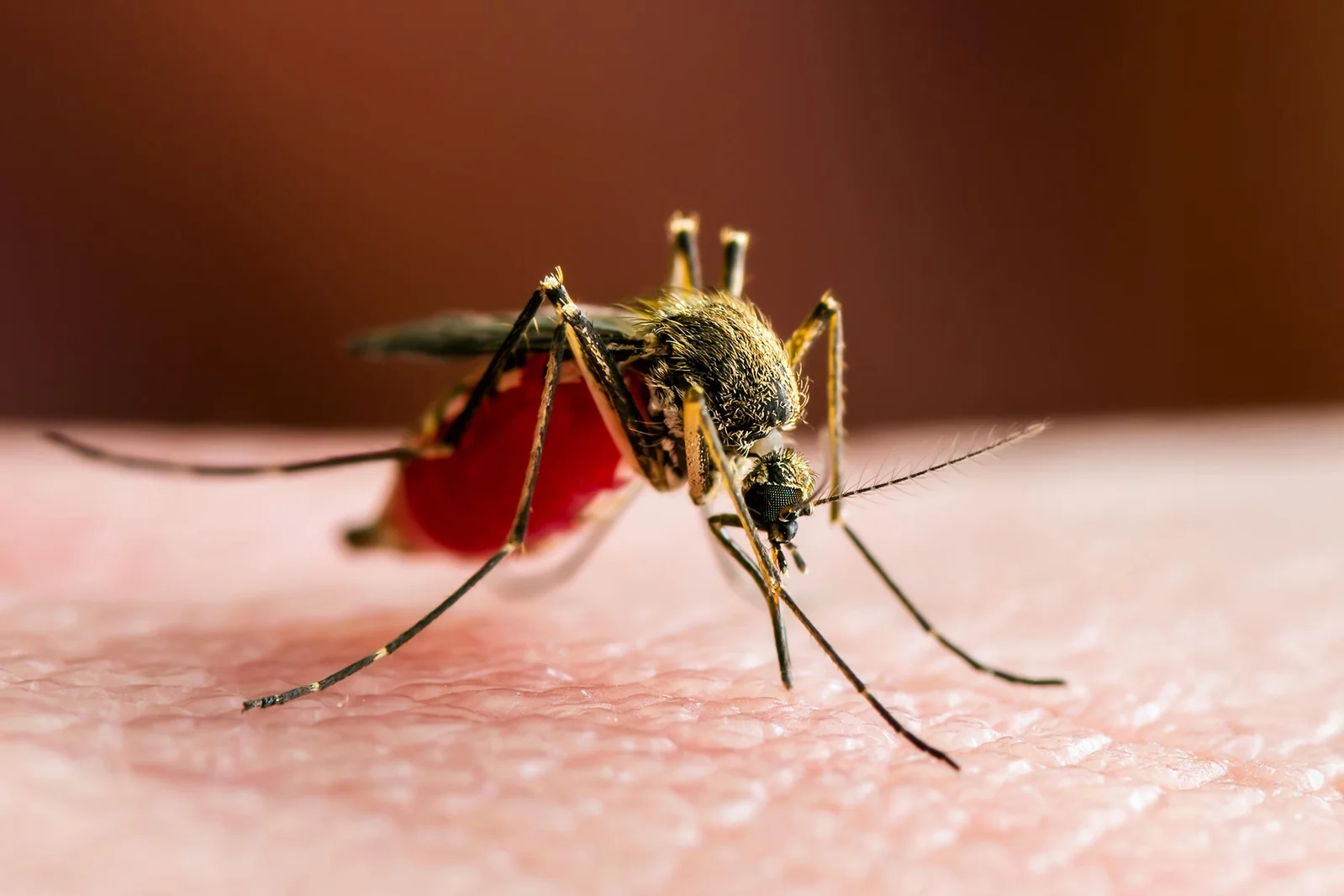
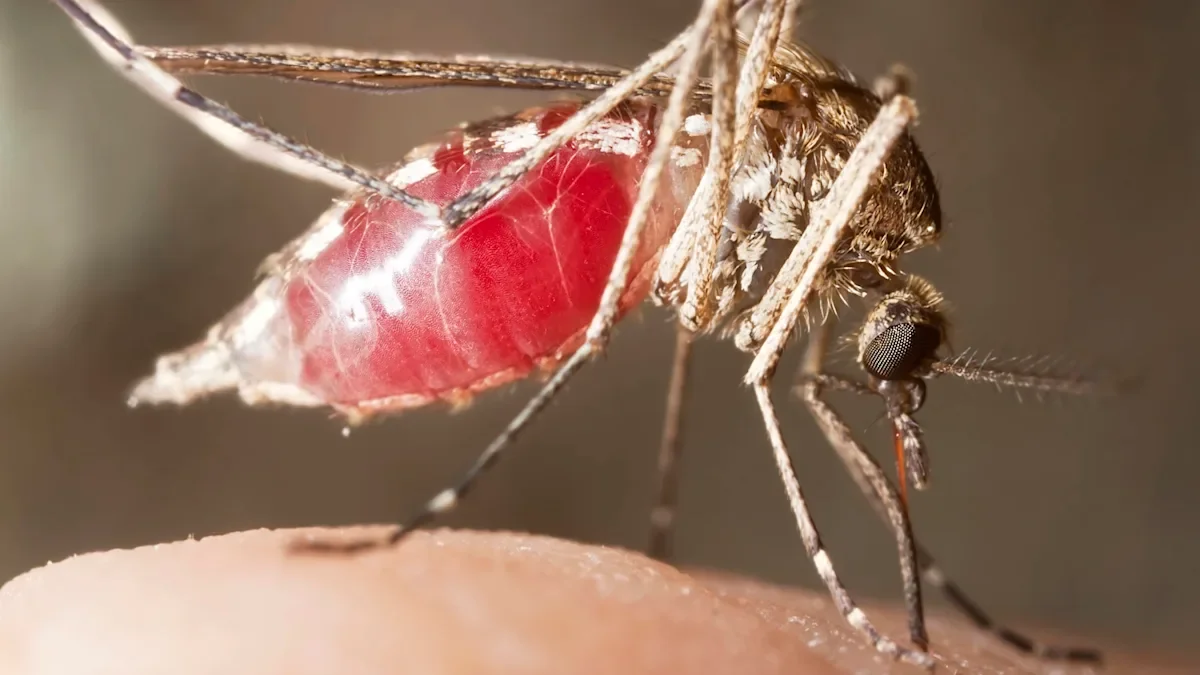
A Frontiers in Ecology and Evolution study in Rio de Janeiro’s Atlantic Forest remnants shows mosquitoes feeding on humans more often than on other animals, likely because biodiversity loss reduces alternative hosts. From 1,714 mosquitoes across 52 species, 24 blood meals were identified, with 18 traced to humans. The findings suggest that host availability and proximity drive this shift, increasing the risk of pathogen transmission (dengue, Zika, Yellow Fever, Mayaro, Chikungunya) and underscoring the need for targeted surveillance and ecosystem-aware disease control.

EU-Mercosur seal historic free-trade pact after decades of talks
world7 months ago

EU-Mercosur seal historic free-trade pact after decades of talks

EU and Mercosur signed a free-trade agreement in Asuncion, paving the way for the EU's largest-ever trade pact; it now requires European Parliament approval and ratification by Mercosur members, with about 111 billion euros in 2024 trade and exports split between EU machinery/chemicals/vehicles and Mercosur agricultural goods/minerals/wood pulp, while critics warn of cheap imports and deforestation.

Deforestation Drives Brazilian Mosquitoes to Bite Humans More Often
science7 months ago

Deforestation Drives Brazilian Mosquitoes to Bite Humans More Often

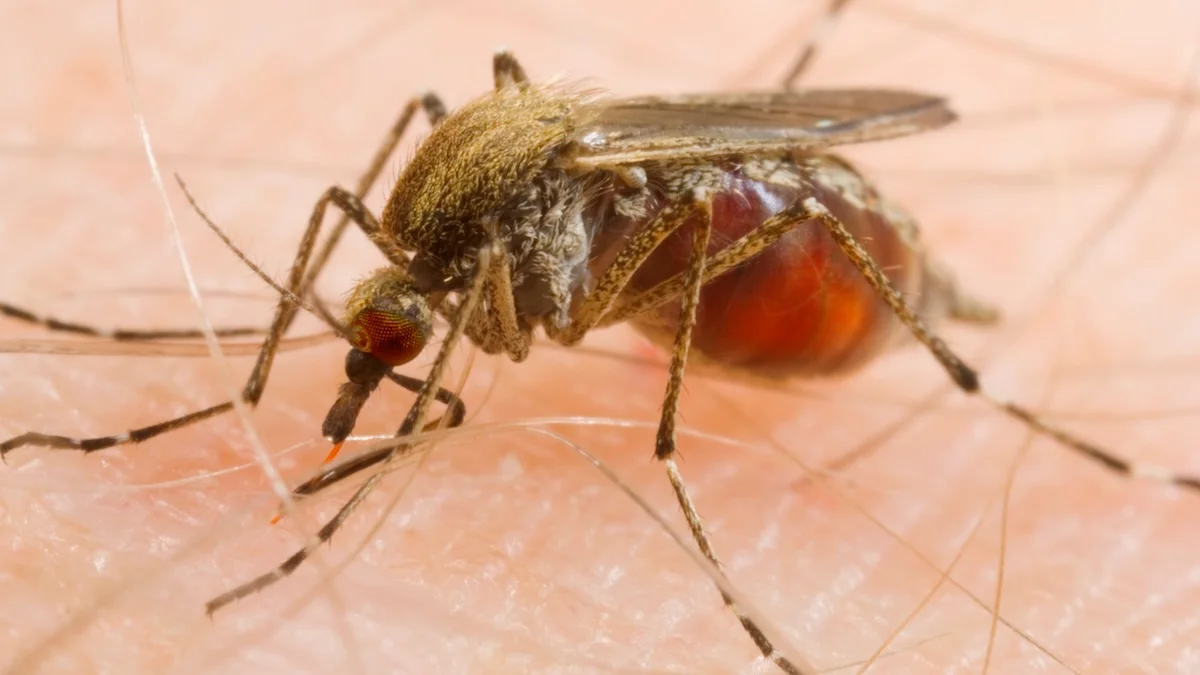
Brazilian researchers found Atlantic Forest mosquitoes increasingly prefer human blood as biodiversity declines from deforestation; among more than 1,700 mosquitoes sampled, 24 had human DNA from 18 different people, suggesting humans may be the main blood source in disturbed areas and potentially altering disease risk. The study calls for improved sampling methods and further analysis.