
Canada's Boreal Forest Faces Degradation, Not Just Deforestation
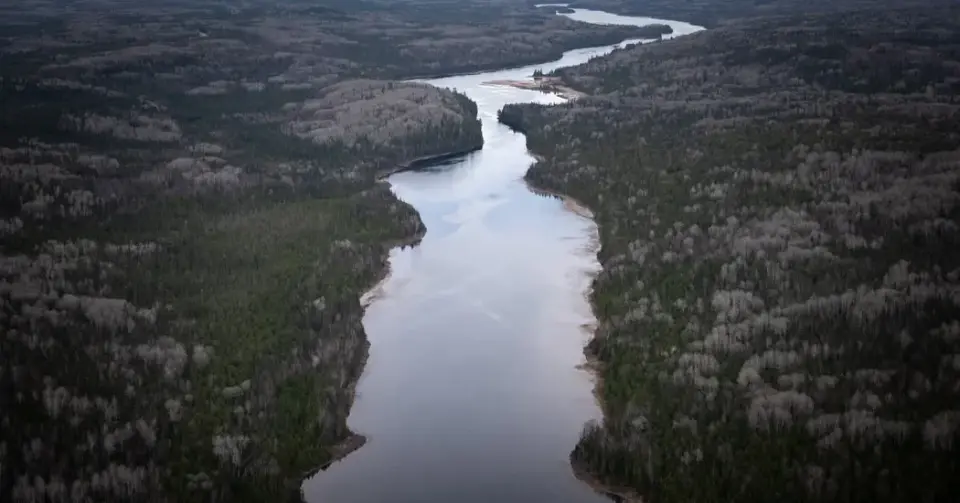
Canada's vast boreal forest is undergoing significant degradation due to logging and climate change, a process distinct from simple deforestation. This degradation reduces the forest's ability to support wildlife, store carbon, and provide timber, challenging previous government promises to end deforestation by 2030.
Key points
- The boreal forest, covering roughly half of Canada from Yukon to Newfoundland and Labrador, is experiencing widespread degradation.
- Degradation involves the replacement of dense, mature timber with patchy open land and younger, smaller trees.
- This shift reduces the forest's capacity to support wildlife, store carbon, and serve as a source for commercial timber.
- The previous Trudeau government pledged to end deforestation by 2030, but some researchers argue this misses the critical issue of forest degradation.
- In northern Ontario near Timmins, logging has thinned canopy cover and depleted flora, making it harder for moose to hide from predators like wolves.
Background
Recent archive coverage highlights that clear-cutting leads to slow ecosystem recovery, with full biodiversity restoration taking centuries. Additionally, climate change impacts in Canada, such as permafrost detachment slides in the Mackenzie Valley, underscore the broader environmental stresses facing northern ecosystems.
Why it matters
Forest degradation undermines ecological stability and carbon sequestration, posing significant risks to biodiversity and climate goals. It highlights the need for conservation strategies that address not just tree removal but the overall health and resilience of forest ecosystems.
What to watch
Monitoring and addressing forest degradation will be crucial for meeting climate and conservation targets. Researchers and policymakers may need to revise strategies to focus on forest health and resilience rather than solely on preventing deforestation.
Want the full story? Read the original reporting
Read on The New York Times