
Iran Escalates Gulf Attacks as US Blockade Enters Indefinite 'No War, No Peace' Phase
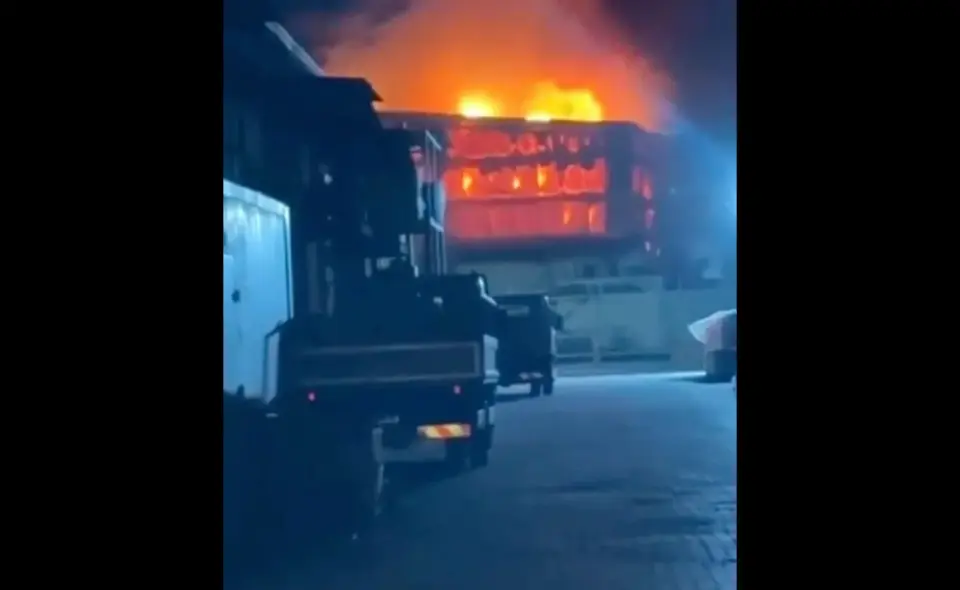
Iran has intensified attacks on Gulf infrastructure and shipping since November 14, targeting US military bases in Bahrain and tankers in the Strait of Hormuz. This escalation follows a lull in fighting and coincides with a US naval blockade and sanctions campaign aimed at crippling Iran's economy. While Tehran claims these strikes are retaliation for US drone incursions and economic warfare, Washington denies damage to its assets. The conflict has entered a protracted 'no war, no peace' stalemate, with oil prices remaining elevated and global energy flows disrupted.
Key points
- At least 25 tankers have been hit in and around the Strait of Hormuz since November 14, causing a sharp drop in oil flow through the global chokepoint.
- The Islamic Revolutionary Guard Corps claimed to have destroyed two US Patriot air defense radars at bases in Bahrain, though US Central Command denied any damage to its fighter jets or assets.
- Oil prices spiked above $100 per barrel before settling at $83, remaining $15 higher than pre-war levels, while insurance rates for Gulf shipping have risen to 3.5-7.5 percent.
- The International Energy Agency reported cumulative losses of 2.8 billion barrels of oil and 60 billion cubic meters of gas from the Gulf due to the ongoing conflict.
- Iranian President Masoud Pezeshkian described the situation as a 'silent economic war' and urged the country to exit the current state of 'neither war nor peace' with dignity.
Background
The current escalation follows a period of relative calm after a lull in fighting that lasted several weeks. Previous tensions included US strikes on Qeshm Island and Iranian drone attacks on Bahrain and Kuwait. The conflict began in late February 2026, leading to a naval blockade and sanctions regime known as Operation Economic Outcast. Earlier diplomatic efforts in Doha failed to secure a deal before the US midterm elections, leaving the region in a high-tension stalemate.
How outlets are covering it
Al Jazeera frames the escalation as Iran leveraging its military capabilities to spread pain across the Gulf and pressure the US into diplomacy, citing analyst Rami Khouri. The New York Times offers a more pessimistic view, describing a mood of 'shock and dread' among regional analysts who fear the war will end with Iran more dominant over its neighbors. The Telegraph emphasizes the 'forever war' dynamic, noting that while JD Vance opposes a prolonged conflict, the current strategy of economic attrition and intermittent strikes may become the new normal. Iran International highlights internal Iranian debates, with some lawmakers calling for nuclear weapons and force to recover frozen funds, while others advocate for lasting deterrence to end the limbo. Qatar has condemned the attacks on Bahrain as violations of sovereignty, while Saudi Arabia warned Iran of consequences after injuries were reported in Bahrain.
Why it matters
The escalation threatens to destabilize global energy markets, with oil prices remaining significantly higher than pre-war levels and insurance costs surging. The 'no war, no peace' stalemate risks prolonged economic damage to both Iran and its Gulf neighbors, potentially leading to further military confrontation if the blockade continues. The situation also highlights the fragility of regional security, with Gulf states bearing the brunt of Iranian retaliation while the US maintains pressure through economic means.
What to watch
Analysts suggest the status quo may not hold, with the risk of renewed escalation depending on whether Iran concludes that the costs of restraint outweigh the risks of conflict. Trump has indicated he may declare victory and walk away, but continuing the blockade could trigger further Iranian retaliation. The next few weeks will likely see continued maritime threats and intermittent strikes, with diplomatic efforts potentially resuming if economic pressure forces a compromise.
- What’s behind Iran’s escalation of attacks in the Gulf? Al Jazeera
- Bahrain says Iran strikes industrial facility as air defences intercept attacks Reuters
- Opinion | Shock and Dread in the Gulf The New York Times
- Live - Bahrain says Iran attack injured two as Saudi-led coalition intercepts Houthi drone Iran International
- Trump’s forever war becomes the new normal with no peace deal The Telegraph
Want the full story? Read the original reporting
Read on Al Jazeera