
UNCCD Cop17 in Ulaanbaatar seeks to operationalize $12bn drought fund amid global food security crisis
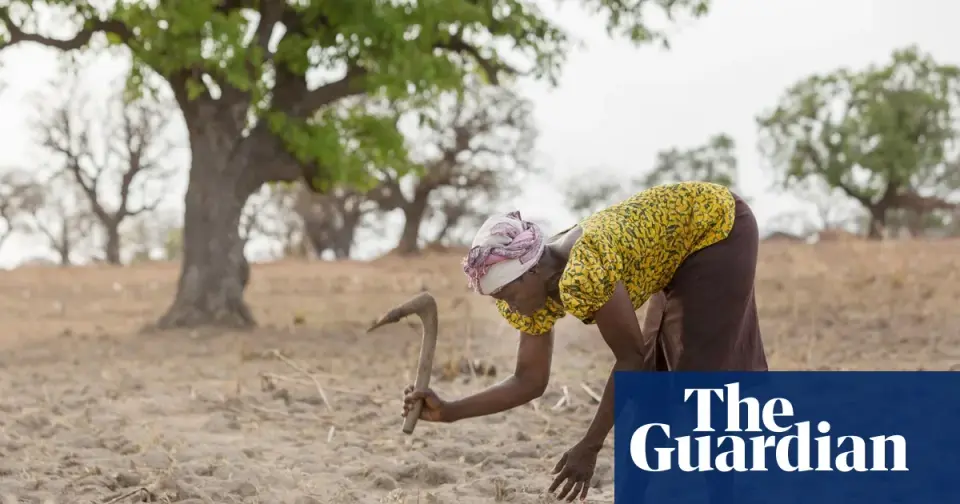
The UN Convention to Combat Desertification (UNCCD) is holding its 17th conference of the parties (Cop17) in Ulaanbaatar, Mongolia, from August 17 to 28. The primary focus is operationalizing a $12 billion pledge made two years ago to fund drought resilience and land restoration in 74 vulnerable nations. While the UNCCD has historically been underfunded compared to other environmental treaties, recent pledges from Saudi Arabia and others mark a shift toward multilateral action. However, the pledged amount remains a fraction of the estimated $2.6 trillion needed by the end of the decade to halt land degradation, which currently threatens 3.2 billion people and costs the global economy nearly $900 billion annually.
Key points
- Cop17 aims to convert $12 billion in pledges into concrete projects for 74 countries, focusing on irrigation, drought-resistant crops, and rainwater storage.
- Land degradation and drought affect 40% of the world's land and threaten the livelihoods of 3.2 billion people, with rangelands being a critical but often overlooked source of food for 70% of global livestock.
- The UNCCD is seeking to close a $278 billion annual finance gap, as current investment stands at only $77 billion against a need of $355 billion for land restoration and resilience.
- Saudi Arabia, a former blocker of climate action, is now a major backer of the UNCCD, having pledged hundreds of millions of dollars and hosting the previous Cop16 in Riyadh.
- The World Food Programme predicts that 50 million more people could be pushed into hunger due to the current 'super El Niño' weather system and record heatwaves.
Background
The UNCCD was signed in 1992 alongside the UNFCCC and the Convention on Biological Diversity. For three decades, it was considered the 'poor relation' of environmental treaties, receiving the least attention and producing minimal progress. Recent developments, including Saudi Arabia's increased financial commitment and the US's continued membership despite its withdrawal from the Paris agreement, signal a potential shift in global environmental funding priorities.
How outlets are covering it
The Guardian emphasizes the political shift, highlighting Saudi Arabia's new role as a major backer of the UNCCD and the US's continued membership, framing the $12bn pledge as a 'positive signal of multilateralism.' UN News focuses on the tangible impacts, noting that 77% of Mongolia's land is degraded and that 3.2 billion people worldwide are affected by land degradation, stressing the need to move from 'talk to action.' Table.Briefings, though largely inaccessible, indicates that African nations are seeking a binding protocol and more adaptation funding, suggesting a push for stronger legal commitments. The State Council Information Office source is an error page and provides no relevant information.
Why it matters
The Cop17 summit is critical for addressing the immediate threat of food insecurity and economic loss caused by land degradation. With droughts increasing by one-third since 2000 and causing $300 billion in annual losses, the ability to operationalize the $12bn fund and attract private sector investment is essential for global stability. The conference also represents a potential turning point for the UNCCD, moving it from a neglected treaty to a central player in climate and food security diplomacy.
What to watch
Negotiations at Cop17 will continue through August 28, focusing on the operationalization of the Riyadh Global Drought Resilience Partnership. Key outcomes will include the conversion of 70+ submitted drought management plans into implemented projects. Organizers are also pushing for increased private sector involvement through initiatives like the Business4Land Forum to help close the $278 billion finance gap.
- Spotlight on UN desertification summit as it mulls how to spend $12bn war chest The Guardian
- Protecting our ‘most vital infrastructure’: Pushing back on desertification UN News
- EU calls for global action to make land and water more resilient as drought and desertification intensify environment.ec.europa.eu
- Desert COP: African countries seek a binding protocol Table.Briefings
- COP17 'China Corner' showcases China's achievements in combating desertification State Council Information Office
Want the full story? Read the original reporting
Read on The Guardian