
Delhi’s Diwali Firecrackers Trigger Severe Smog Crisis Amid Winter Pollution
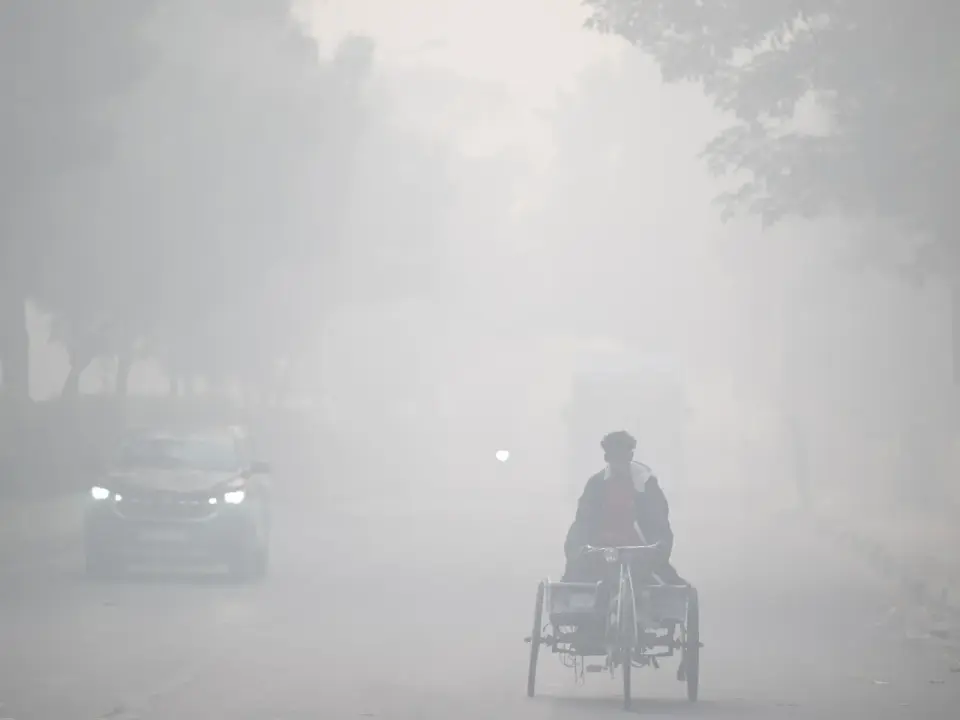
New Delhi’s air quality reached severe levels on November 9, 2026, following Diwali celebrations. Despite Supreme Court restrictions limiting fireworks to approved 'green' varieties, widespread use of firecrackers worsened an already hazardous winter pollution crisis. The Air Quality Index exceeded 350 in several areas, posing significant health risks to the city’s 30 million residents. This event highlights the recurring failure of temporary measures to address systemic environmental issues.
Key points
- Air Quality Index (AQI) exceeded 350 in multiple parts of New Delhi on November 9, 2026, classified as 'severe' by WHO standards.
- Residents ignored Supreme Court restrictions that limited firecracker use to approved 'green' varieties during specific three-hour windows on Saturday and Sunday.
- Winter conditions, including low wind speeds and cool temperatures, trapped pollutants, while crop residue burning in neighboring Punjab and Haryana added to the haze.
- The Delhi government’s Winter Action Plan, active since November 1, includes vehicle entry restrictions and construction bans, but experts argue enforcement remains weak.
- Health impacts include throat irritation, eye itching, and respiratory issues, with long-term exposure linked to reduced life expectancy.
Background
New Delhi consistently ranks among the world’s most polluted capitals, with pollution peaking in late October and November. Previous archive reports noted AQI spikes reaching 1,521 on Diwali night and 391 during Dhanteras, despite similar restrictions. The city’s pollution is driven by vehicles (23% of winter pollution), biomass burning (20%), and industrial emissions. The current crisis follows a pattern of annual seasonal deterioration, with residents preparing for months of poor air quality.
How outlets are covering it
Al Jazeera and NPR emphasize the immediate impact of Diwali firecrackers on air quality, noting that even 'green' firecrackers release particulate matter. They highlight the Supreme Court’s October restrictions and the failure of residents to comply. BBC focuses on the broader systemic issues, including the Delhi government’s Winter Action Plan and the need for long-term solutions like cleaner energy and stricter vehicle emission controls. BBC also notes that pollution from neighboring states and secondary pollutants (e.g., dust, coal burning) exacerbate the crisis, which Delhi alone cannot resolve. All sources agree that temporary measures are insufficient, but BBC places greater emphasis on the need for regional cooperation and sector-specific emission targets.
Why it matters
The severe air quality in New Delhi poses immediate health risks to 30 million residents, including respiratory issues and long-term organ damage. The failure of restrictions to prevent pollution highlights the inadequacy of temporary measures in addressing systemic environmental problems. This crisis underscores the need for long-term solutions, such as cleaner energy, stricter vehicle emission controls, and regional cooperation to address pollution from neighboring states. The recurring nature of this crisis also raises questions about the effectiveness of current government policies and the impact on public health and quality of life.
What to watch
Authorities are expected to enforce the Graded Response Action Plan (Grap) as pollution levels rise, with stricter measures kicking in at higher AQI thresholds. The Delhi government may face pressure to strengthen enforcement of its Winter Action Plan, including vehicle restrictions and construction bans. Experts will likely call for more holistic, long-term solutions, such as cleaner energy and stricter controls on vehicle emissions. The situation may worsen in the coming days as winter conditions persist, with potential for further health impacts and public protests.
- Smog blankets New Delhi as Diwali firecrackers worsen air quality Al Jazeera
- Delhi air quality deteriorates as revellers mark Diwali with illegal fireworks Reuters
- Thick smog shrouds New Delhi after Diwali firecrackers add to seasonal pollution NPR
- Air pollution data goes missing at several govt monitoring stations in Delhi The Hindu
- Delhi's toxic winter air is back - is the Indian capital prepared for pollution? BBC
Want the full story? Read the original reporting
Read on Al Jazeera