
England declares third drought in five years as July sets record dryness
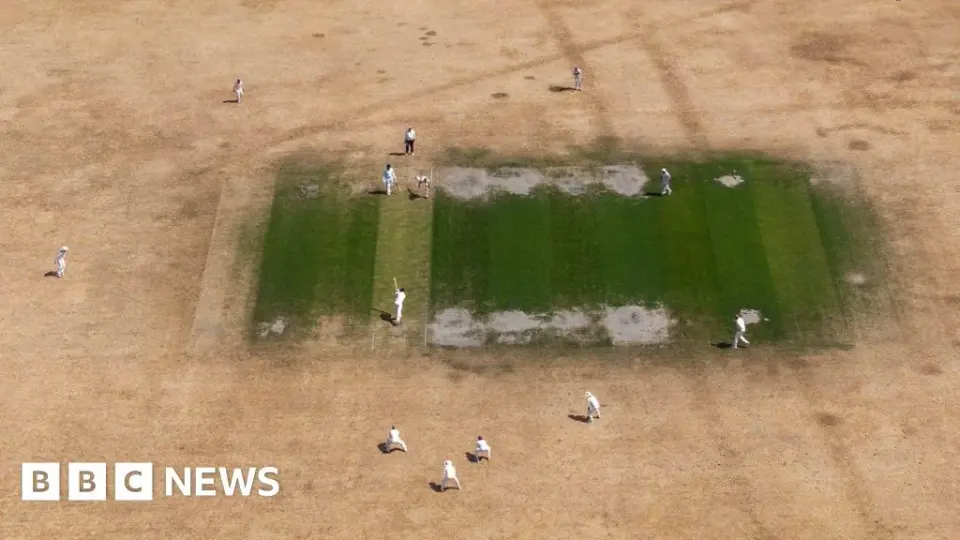
The Environment Agency has declared more than half of England in drought, marking the third such event in five years (2022, 2025, 2026). This 'flash drought' follows a wet winter but has intensified due to record-breaking heat and minimal rainfall. Seven regions, including London, East Anglia, and the West Midlands, are officially affected. July is on track to be the driest on record, with southern England receiving only 1% of expected rainfall. Reservoir levels are 7.4% below average, and 40% of the population is under hosepipe bans. Experts warn that climate change is making such extreme, rapid-onset droughts significantly more likely, threatening agriculture, wildlife, and water security.
Key points
- The Environment Agency declared seven regions in drought: East Anglia, Hertfordshire/London, Thames Valley, Hampshire/Isle of Wight, Devon/Cornwall, West Midlands, and Wessex.
- July 2026 is expected to be the driest on record, with England receiving only 7% of normal rainfall and southern areas just 1%.
- Reservoir storage is 7.4% below the average for this time of year, with some sites like Wimbleball and Blagdon classified as 'exceptionally low'.
- 40% of England's population is currently under hosepipe bans, with seven water companies restricting usage.
- The Met Office confirmed a new UK temperature record of 38C in June, and temperatures reached 35.2C in Essex on Wednesday.
- Farmers report reduced yields for crops like oilseed rape and potatoes, with some facing potential shortages of baking potatoes and onions.
Background
This event follows a pattern of increasing extreme weather in the UK. In 2022 and 2025, England also experienced official droughts. The current situation is described as a 'flash drought' that developed rapidly despite a wet winter, highlighting the volatility of climate patterns. International comparisons, such as the Colorado River crisis in the US Southwest, underscore global concerns about water scarcity and the need for adaptive infrastructure, though the UK's issue is primarily driven by rapid evaporation and lack of recent rainfall rather than long-term basin depletion.
How outlets are covering it
The Environment Agency emphasizes the 'exceptionally serious' nature of a second consecutive summer drought, warning of long-lasting impacts on the environment and economy. The National Farmers’ Union highlights the direct threat to food security, noting that farmers are facing higher costs and potential crop failures. The Independent focuses on the 'weather whiplash' of wet winters followed by dry summers, arguing that climate change is pushing the UK into 'uncharted territory'. The BBC provides visual evidence of the physical impact, such as dried-up riverbeds and parched parks, while noting that scientists attribute the increased risk of such droughts to climate change. All sources agree on the severity of the current conditions but differ in emphasis: the Environment Agency focuses on water management, farmers on agricultural impact, and climate analysts on the broader trend of extreme weather volatility.
Why it matters
This drought signals a shift in UK climate patterns, with rapid-onset 'flash droughts' becoming more common despite wet winters. It threatens water security for millions, impacts food production and prices, and stresses wildlife and ecosystems. The lack of forecasted rainfall suggests the situation will persist, requiring immediate conservation efforts and long-term infrastructure changes to adapt to a warmer, more unpredictable climate.
What to watch
High pressure is expected to dominate weather patterns through August and early September, with no substantial rainfall forecast. Water companies will likely maintain hosepipe bans, and farmers may face continued crop losses. The Environment Agency will monitor reservoir levels and river flows, while the government may need to accelerate plans for new water storage infrastructure, as no major reservoirs have been built in England since 1992.
- Pictures show scale of drought across England as rivers dry up BBC
- Half of England officially in ‘exceptionally serious’ drought The Guardian
- UK heatwave live: Half of England officially declared in drought with temperatures set to hit 34C The Independent
- Drought Declared for London and Half of England as Risks Mount Bloomberg.com
- More than half of England 'officially in drought': UK govt Phys.org
Want the full story? Read the original reporting
Read on BBC