
Hanoi Adapts to Rising Flood Risks as Climate Change Intensifies
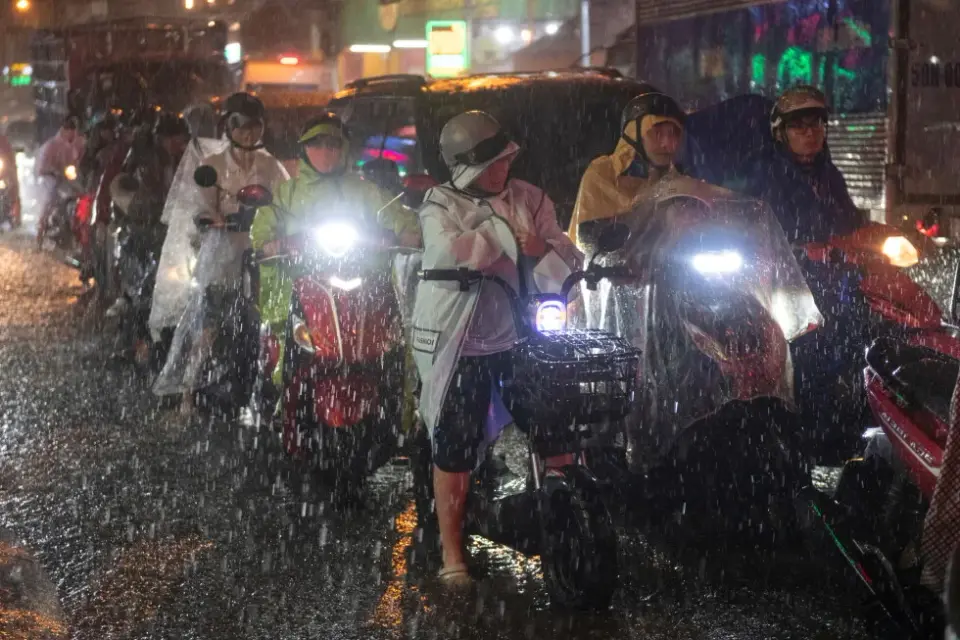
Vietnam's capital, Hanoi, is increasingly facing severe flooding due to climate change, prompting the city to adopt new adaptation strategies. While the AP News article highlights the growing stakes for the nation's largest city, it does not provide specific details on recent events or policy changes in the text provided.
Key points
- Hanoi, Vietnam's largest city, is experiencing increased flood risks linked to climate change.
- The AP News article emphasizes the rising stakes for urban infrastructure and residents in Hanoi.
- No specific data, dates, or policy decisions regarding Hanoi's flood response are detailed in the provided source text.
Background
Recent coverage of climate-driven disasters in the Himalayas, including Nepal's catastrophic August floods, underscores the global impact of warming temperatures on extreme weather events. These events, attributed to a cascade of climate factors such as glacier melt and permafrost thaw, have led to significant loss of life and infrastructure damage. While these incidents occurred in Nepal, they highlight the broader regional and global challenges posed by climate change, which may influence discussions on adaptation strategies in other vulnerable areas, including Vietnam.
Why it matters
As climate change intensifies, major urban centers like Hanoi face heightened risks from flooding, which can disrupt daily life, damage infrastructure, and strain public resources. Understanding and addressing these risks is crucial for ensuring the resilience and safety of large populations in vulnerable regions.
What to watch
Further reporting is needed to detail specific flood events, policy responses, or infrastructure projects in Hanoi. Monitoring climate trends and urban adaptation efforts will be essential for assessing the city's long-term resilience.
Want the full story? Read the original reporting
Read on AP News