
Israel’s 2026 Election: A Stalemate Between Right-Wing Blocs and a Fractured Center
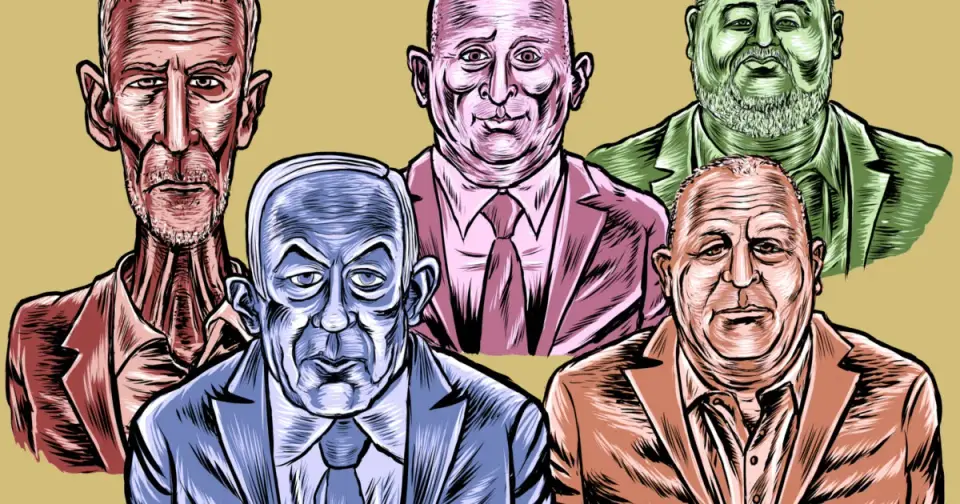
Israeli voters face a fragmented election where no clear majority exists, with polls showing a likely deadlock between the Netanyahu-led right and a centrist opposition. The vote is overshadowed by the disqualification of Palestinian leader Sami Abu Shehadeh, a move supported by the entire Zionist spectrum that highlights the limits of democratic rights for non-Jewish citizens. While the outcome may not end the occupation, it could determine whether hardline figures like Itamar Ben-Gvir and Bezalel Smotrich remain in power, with significant implications for Palestinian communities in the West Bank and inside Israel.
Key points
- Polls indicate a stalemate, with both the Netanyahu bloc and the opposition bloc hovering around 50 seats, making a coalition formation difficult and potentially leading to a second election.
- Sami Abu Shehadeh, leader of the Balad party, withdrew from the race after the Supreme Court threatened to disqualify him, a decision supported by both the far-right and center-left parties.
- The centrist opposition, led by Gadi Eisenkot and Naftali Bennett, is fractured and has refused to form a coalition with Palestinian parties, despite the Joint List’s willingness to support a minority government from the outside.
- The Haredi parties, traditionally allied with Netanyahu, are facing internal friction over the draft exemption, which could destabilize the right-wing coalition.
- Gallup polling shows Israeli confidence in electoral honesty has dropped to an eight-year low, with 56% of respondents expressing confidence, a 15-point decline from 2023.
Background
This election is the first since the October 7, 2023, Hamas attacks and the subsequent conflicts in Gaza, Lebanon, and Iran. Previous coverage noted that Jewish Americans were anxiously awaiting the results due to the potential impact on US-Israel relations and domestic political dynamics. The current vote occurs amid a broader erosion of trust in Israeli democratic institutions, with the disqualification of Abu Shehadeh serving as a stark example of the limits of democratic rights for non-Jewish citizens.
How outlets are covering it
Jewish Currents emphasizes the structural contradictions of a 'Jewish democracy,' highlighting how the entire Zionist political spectrum, from the far-right to the center-left, united to disqualify Abu Shehadeh, a move that exposes the contingent nature of democratic rights for non-Jewish citizens. The outlet argues that while the election may not end the occupation, it could ease the dire situation for Palestinians by removing hardline figures like Ben-Gvir and Smotrich. Gallup, in contrast, focuses on the declining confidence in the electoral process itself, noting that 56% of Israelis have confidence in the honesty of elections, a 15-point drop from 2023. Gallup also highlights the widening gap in electoral confidence between those who approve and disapprove of national leadership, with a 45-point difference, the widest on record. While Jewish Currents focuses on the political and ethical implications of the vote, Gallup underscores the growing polarization and distrust in the democratic process.
Why it matters
The outcome of this election will determine whether hardline figures like Itamar Ben-Gvir and Bezalel Smotrich remain in power, with significant implications for Palestinian communities in the West Bank and inside Israel. The disqualification of Sami Abu Shehadeh sets a precedent that could be used to exclude other Palestinian leaders in the future, further eroding democratic rights for non-Jewish citizens. The potential for a second election or a minority government could lead to prolonged political instability, which Netanyahu has historically exploited to maintain power. The election also serves as a test of the viability of a 'Jewish democracy,' with the centrist parties’ refusal to form a coalition with Palestinian parties highlighting the limits of democratic inclusion in Israel.
What to watch
If no coalition can form a majority, President Isaac Herzog will have 28 days to appoint a leader to form a government, with the possibility of a second election in early 2027. The Joint List has expressed willingness to support a minority government from the outside, but the centrist parties have refused to form a coalition with Palestinian parties. The Haredi parties may split with Netanyahu over the draft exemption, potentially destabilizing the right-wing coalition. The outcome will also depend on whether any parties defect from one bloc to the other, a common occurrence in Israeli politics. The election will also be watched closely by the US, with Netanyahu and Trump reportedly discussing a potential renewal of the war with Iran before the US and Israeli elections.
- A Jewish Currents Guide to the Israeli Elections Jewish Currents
- What Could Swing Israel’s Election? Thousands Living in the U.S. The New York Times
- Win or Lose, Netanyahu Has Reshaped Israeli Politics in His Image Bloomberg.com
- Israelis' Confidence in Elections Dips Ahead of Key Vote Gallup News
- Arab voter turnout could make or break Netanyahu in Israeli election Reuters
Want the full story? Read the original reporting
Read on Jewish Currents