
Seawater Turbidity Forces Second Round of Israeli Desalination Shutdowns
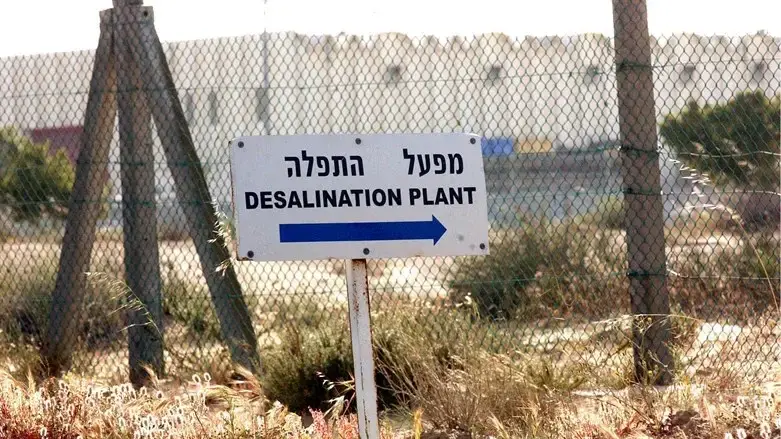
Israel's national water supply faces renewed disruption as most desalination plants shut down for the second time in 24 hours due to high seawater turbidity. Authorities urge reduced usage in public and agricultural sectors while assuring households that regular supply remains stable. The incident follows a similar shutdown in September and is attributed to weather conditions, not cyberattacks.
Key points
- The Water Authority announced that the majority of Israel's desalination facilities went offline on Tuesday, marking the second shutdown within 24 hours.
- The closures were triggered by a sharp increase in seawater turbidity, which affected water quality and composition.
- Local authorities were instructed to immediately reduce irrigation in public parks and agricultural activities, as well as water usage in public areas.
- The Water Authority confirmed that regular water supply to homes and households remains unaffected, with focused responses only for specific localized issues.
- The Israel National Cyber Directorate clarified that the incident was not a cyberattack, attributing the malfunction solely to unusual weather conditions.
Background
This event follows a similar nationwide water disruption in September 2026, when five of six desalination plants shut down due to severe seawater turbidity, leading to conservation advisories in major cities like Jerusalem and Rishon Lezion. The current shutdowns are part of a broader pattern of infrastructure stress, though distinct from the climate-driven energy disruptions seen in Hungary or the conflict-related damage to desalination plants in the Gulf region.
Why it matters
The repeated shutdowns of Israel's desalination infrastructure highlight the vulnerability of critical water systems to environmental factors like weather-driven turbidity. While authorities maintain that household supply is secure, the need for immediate reductions in public and agricultural usage underscores the strain on the national water network. The clarification by the Cyber Directorate helps prevent public panic, but the recurring nature of these disruptions suggests a growing challenge in maintaining consistent water production amid changing environmental conditions.
What to watch
Authorities will monitor seawater clarity to determine when desalination plants can resume full operation. Localized water issues may continue to require focused responses from the operations center, while public and agricultural water restrictions are likely to remain in place until the turbidity levels subside and normal supply is fully restored.
- Water worries return: Most Israeli desalination plants shut down again Israel National News
- Ministry warns of agriculture crisis as desalination plants shut again The Times of Israel
- Water restrictions continue into second day as most Israeli desalination plants shut down again The Jerusalem Post
- Mysterious contamination disrupts Israel’s desalination plants: ‘A strange event’ Israel National News
- ‘24 hours without water and the crop dies’: Negev farmers warn of collapse Ynetnews
Want the full story? Read the original reporting
Read on Israel National News