
Kākāpō Population Hits 325 After Record Breeding Season
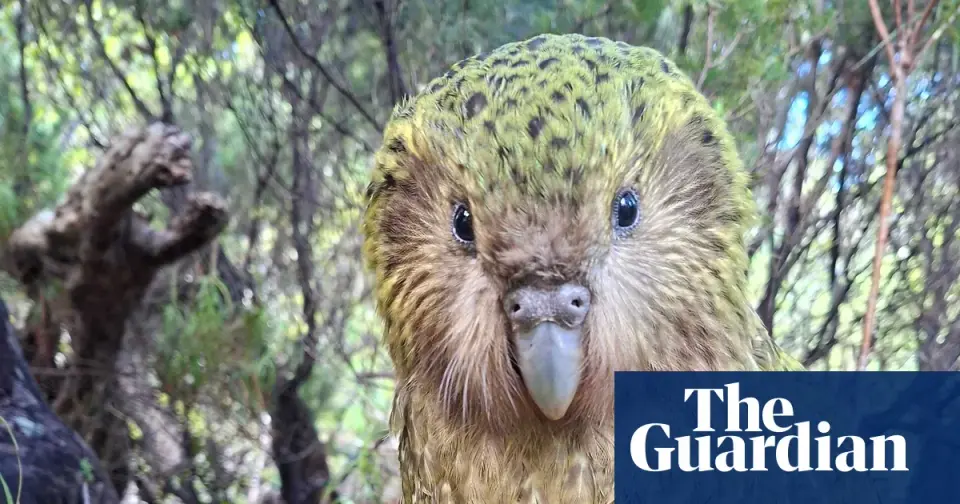
The kākāpō, the world’s heaviest parrot, has reached a population of 325 birds for the first time in 75 years. This milestone was achieved after 90 chicks were added to the count on 1 September 2026, following a record breeding season triggered by the mass fruiting of native rimu trees. The recovery programme, established in 1995 with only 51 birds, has successfully navigated challenges related to genetic diversity and infertility. Conservationists now anticipate the next breeding cycle could occur as early as 2028, marking a significant shift from the previous four-year gap between breeding seasons.
Key points
- The total kākāpō population reached 325 birds on 1 September 2026, surpassing 300 for the first time in approximately 75 years.
- Ninety chicks were officially added to the population count after surviving to 150 days of age, marking a record high for the recovery programme.
- The breeding success was driven by the mass fruiting, or masting, of native rimu trees on predator-free islands, which occurred after a four-year gap.
- The recovery programme, launched in 1995 with 51 birds, has utilized intensive monitoring, predator control, and managed breeding to support growth.
- Modelling suggests the next breeding season could occur as soon as 2028, indicating a potential acceleration in population recovery cycles.
Background
Previous coverage in September 2026 highlighted the addition of 90 chicks and the programme’s shift toward reduced-management methods, including remote nest data and lower supplementary feeding. The species had previously faced severe declines due to introduced predators like cats and stoats, leading to near-extinction by the 1900s. The current milestone represents a significant departure from the slow repopulation rates seen in the early years of the recovery effort, where producing a similar number of chicks took 16 years.
How outlets are covering it
The Guardian emphasizes the historical significance of the population surpassing 300 birds and the cultural impact of live streams that attracted over 100,000 viewers. GK Today provides a more technical breakdown, detailing that 79 females nested, 258 eggs were laid, and 106 chicks hatched, with 90 surviving to the 150-day independence mark. While both sources agree on the final count of 325, the Guardian focuses on the emotional and historical narrative of the recovery, whereas GK Today highlights the specific breeding metrics and the role of rimu masting. Neither source reports conflicting data, but they differ in their emphasis on the operational details versus the broader conservation milestone.
Why it matters
This milestone demonstrates the effectiveness of long-term conservation strategies for critically endangered species. The kākāpō’s recovery serves as a model for managing flightless, nocturnal parrots in predator-free environments. The potential for a shorter gap between breeding seasons could accelerate genetic diversity and population stability, reducing the risk of extinction for this unique species. Additionally, the success of reduced-management methods suggests that conservation efforts can become more sustainable and less intrusive over time.
What to watch
Conservationists are preparing for the next breeding season, which modelling indicates could occur as early as 2028. The Department of Conservation will continue to monitor the health and development of the newly fledged chicks, ensuring they are integrated into the wild population. Future efforts will likely focus on maintaining the genetic diversity of the population and further refining management techniques to support natural breeding cycles. The success of this season may also influence policies on predator control and habitat management on the offshore islands where the birds reside.
Want the full story? Read the original reporting
Read on The Guardian